Recliner Chair Buying Guide for Luxury Comfort
The wrong recliner announces itself within ten minutes. Your shoulders start to round, your lower back loses support, and what looked inviting on a screen suddenly feels oversized, underbuilt, or simply out of place in a beautifully considered room. A proper recliner chair buying guide starts there - not with gimmicks, but with how a chair supports the body, complements the bedroom or sitting area, and holds its comfort over years of daily use.
For many buyers, a recliner is no longer a casual extra tucked into a den. It is part of a more intentional approach to rest at home. In a primary bedroom, reading corner, or private lounge space, the right recliner should offer restorative comfort without compromising the visual language of the room. That balance between performance and refinement is what separates a premium chair from a forgettable one.
What to look for in a recliner chair buying guide
The first decision is not fabric or color. It is fit. A recliner should support your height, leg length, and natural sitting posture. When seated upright, your feet should rest comfortably on the floor and your knees should sit at an easy angle. If the seat is too deep, you may slouch to reach the backrest. If it is too shallow, your thighs lose support and pressure builds quickly.
Back height matters just as much. Taller users often need fuller shoulder and head support, while more compact frames can feel best in a chair with a slightly shorter back and narrower seat. This is where premium recliners distinguish themselves. They tend to come in more thoughtfully engineered proportions, sometimes even in multiple sizes, rather than a one-size-fits-all silhouette.
Seat comfort should feel supportive rather than overly soft. In the showroom, plush cushioning can be seductive. After a few months, however, excessive softness often translates into sagging and less stable support. High-quality foam, layered cushioning, and well-made suspension systems generally age more gracefully. The sensation you want is composed comfort - cushioned enough to relax into, structured enough to maintain posture.
Start with how you will actually use it
A recliner used for evening reading has different demands than one used for recovery, long TV sessions, or afternoon naps. If you plan to spend extended periods in the chair, lumbar support and head positioning become far more important than a dramatic recline angle. If the chair is intended for quiet bedroom use, smooth mechanics and a discreet profile may matter more than oversized armrests or bulk.
It also helps to think about frequency. A chair used every day should justify a higher level of craftsmanship, stronger internal components, and upholstery that can mature beautifully with use. Occasional seating gives you a little more flexibility, though comfort should still lead the decision.
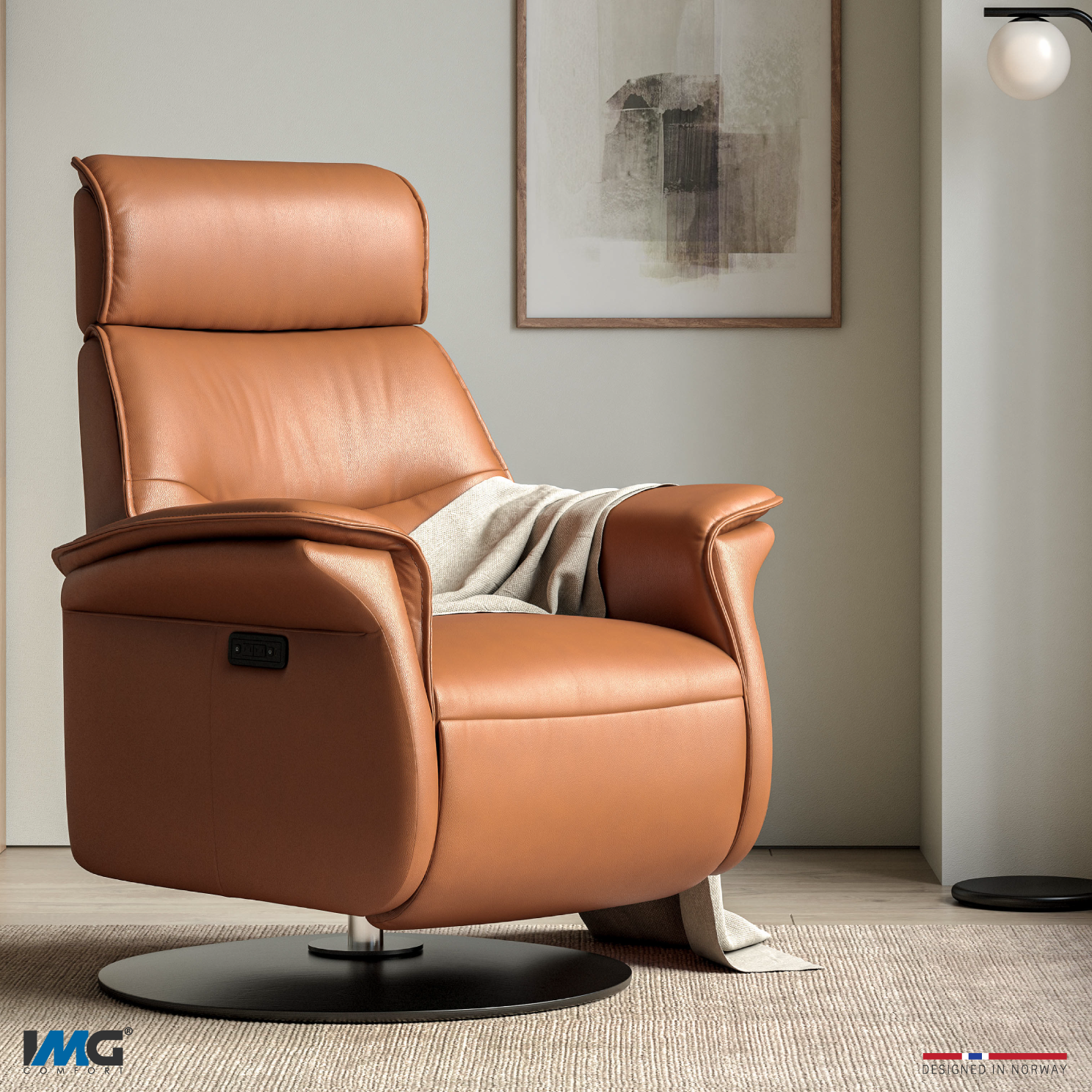
For clients furnishing a polished bedroom or lounge environment, aesthetic restraint is often the smarter choice. A recliner does not need to look mechanical to perform well. Many of the best designs conceal their function elegantly, offering motion and ergonomic support within a refined, tailored form.
Manual or power recline
This is one of the most practical choices in any recliner chair buying guide, and the right answer depends on priorities rather than price alone. Manual recliners can feel wonderfully straightforward. They are often cleaner in silhouette, easier to place, and free from electrical dependency. For buyers who appreciate simplicity and intuitive design, a manual mechanism can be ideal.
Power recliners, on the other hand, offer more precise adjustment. That can make a significant difference if you are seeking exact leg elevation, gentler movement, or easier operation. They are especially appealing for users who want a more customized lounging position or who prefer not to exert force when reclining.
The trade-off is that power models require access to an outlet and may introduce slightly more visual complexity, depending on the design. In premium interiors, this is less of an issue when the chair has been thoughtfully engineered and the controls remain discreet. If comfort precision is your priority, power recline is often worth considering.
The materials tell you how the chair will age
Luxury is not simply about first impression. It is about how a piece performs after hundreds of evenings, quiet mornings, and long weekends at home. Upholstery plays a major role here.
Leather remains a favorite for good reason. A high-grade leather recliner offers a tailored, architectural look and tends to wear with character when properly cared for. It is also easier to wipe clean than most textiles. That said, leather has a distinct feel and temperature response. Some buyers love its polish and durability, while others prefer the softer, more enveloping hand of fabric.
Fabric recliners can feel warmer and more textural, making them especially appealing in bedrooms and relaxed sitting spaces. Woven textiles, performance fabrics, and refined neutrals can create a more residential, less formal look. The key is to ask not only how the fabric feels today, but how it resists pilling, fading, and compression over time.
Beneath the upholstery, frame construction matters just as much. Hardwood or quality engineered frames, durable joints, and proven mechanisms all contribute to longevity. A beautiful outer finish means little if the structure underneath is not built for repeated motion.
Size, scale, and room placement
One of the most common mistakes is choosing a recliner based only on its upright footprint. Recliners need space to move. Before purchasing, measure the room and account for full extension, circulation around the chair, and visual balance with nearby furniture.
In a bedroom, a recliner should feel integrated rather than dominant. That usually means avoiding forms that are excessively overstuffed or too wide for the available corner. A sleeker profile, elevated legs, or a more sculpted arm can preserve an airy, curated feel.
In a dedicated lounge or reading area, you may have more freedom to prioritize generous proportions. Even then, scale should relate to the rest of the room. A premium chair earns its place by enhancing the environment, not overwhelming it.
Wall-hugger designs can be useful when space is tighter, since they recline with less clearance behind the chair. This is a practical feature, though not always necessary if you are furnishing a larger room. Again, it depends on the setting and how cleanly you want the chair to sit within it.
Ergonomics are where value becomes obvious
A premium recliner should support more than relaxation. It should help the body feel properly held. Look closely at lumbar shaping, neck support, arm height, and the transition between upright and reclined positions. If a chair only feels comfortable when fully reclined, it may not be as versatile as it first appears.
The best models feel composed in every stage of movement. Upright, they support conversation and reading. Partially reclined, they encourage release through the hips and lower back. Fully extended, they allow genuine rest without awkward pressure under the knees or strain through the neck.
This is where design heritage and engineering expertise often justify the investment. Better recliners are not merely softer. They are more anatomically considered.
Details that are worth paying for
Not every feature adds value. Cup holders, storage arms, and oversized tech panels rarely belong in a refined bedroom or luxury sitting room. More useful upgrades include adjustable headrests, integrated lumbar support, swivel bases, or matching footstools when the design calls for one.
Attention should also go to tailoring. Well-finished seams, balanced cushioning, smooth motion, and a stable base are not minor details. They are often the clearest signs of quality. If a chair creaks, shifts, or feels uneven when you sit down, it will not improve with time.
For style-conscious buyers, customization can be especially worthwhile. The ability to select upholstery, wood finishes, or sizing allows the chair to feel intentionally chosen for the space rather than simply added to it.
A premium purchase should feel curated, not confusing
The strongest recliner choices come from asking a few disciplined questions. Does the chair fit your body well? Does it suit the room in both scale and finish? Will its materials still look elegant after years of use? And does the comfort feel structured enough to support daily living, not just a short tryout?
For shoppers seeking a more elevated approach, a curated retailer such as Sleeping Plaza can simplify the process by narrowing the field to brands and designs with proven quality, comfort, and craftsmanship. That kind of editing matters. When every option has already met a higher standard, it becomes easier to focus on fit, function, and aesthetic harmony.
A recliner is one of the most personal seats in the home. Choose one that feels exceptional when you first sit down, but even more convincing when you imagine living with it every day.