How to Improve Sleep Comfort at Home
A beautiful bedroom can still be a poor place to sleep. The sheets may look impeccable, the bed frame may anchor the room with elegance, and yet the night ends with a stiff neck, overheated legs, or that vague sense that your body never fully settled. If you are asking how to improve sleep comfort, the answer is rarely one product in isolation. True comfort comes from the way your mattress, pillow, bedding, temperature, and bedroom atmosphere work together.
How to improve sleep comfort starts with support
Comfort is often mistaken for softness. In reality, sleep comfort begins with support that keeps the body aligned while allowing pressure points to relax. A mattress that feels plush for five minutes can become fatiguing over eight hours if it lets the hips sink too far or leaves the shoulders compressed.
The right mattress depends on sleep position, body type, and preference. Side sleepers usually need more pressure relief around the shoulders and hips, while back sleepers often prefer a more balanced, buoyant feel that supports the lumbar area. Stomach sleepers typically do better on a firmer surface that limits excessive arching through the lower back. There is no universal best feel - only the most suitable support profile for your frame and sleeping style.
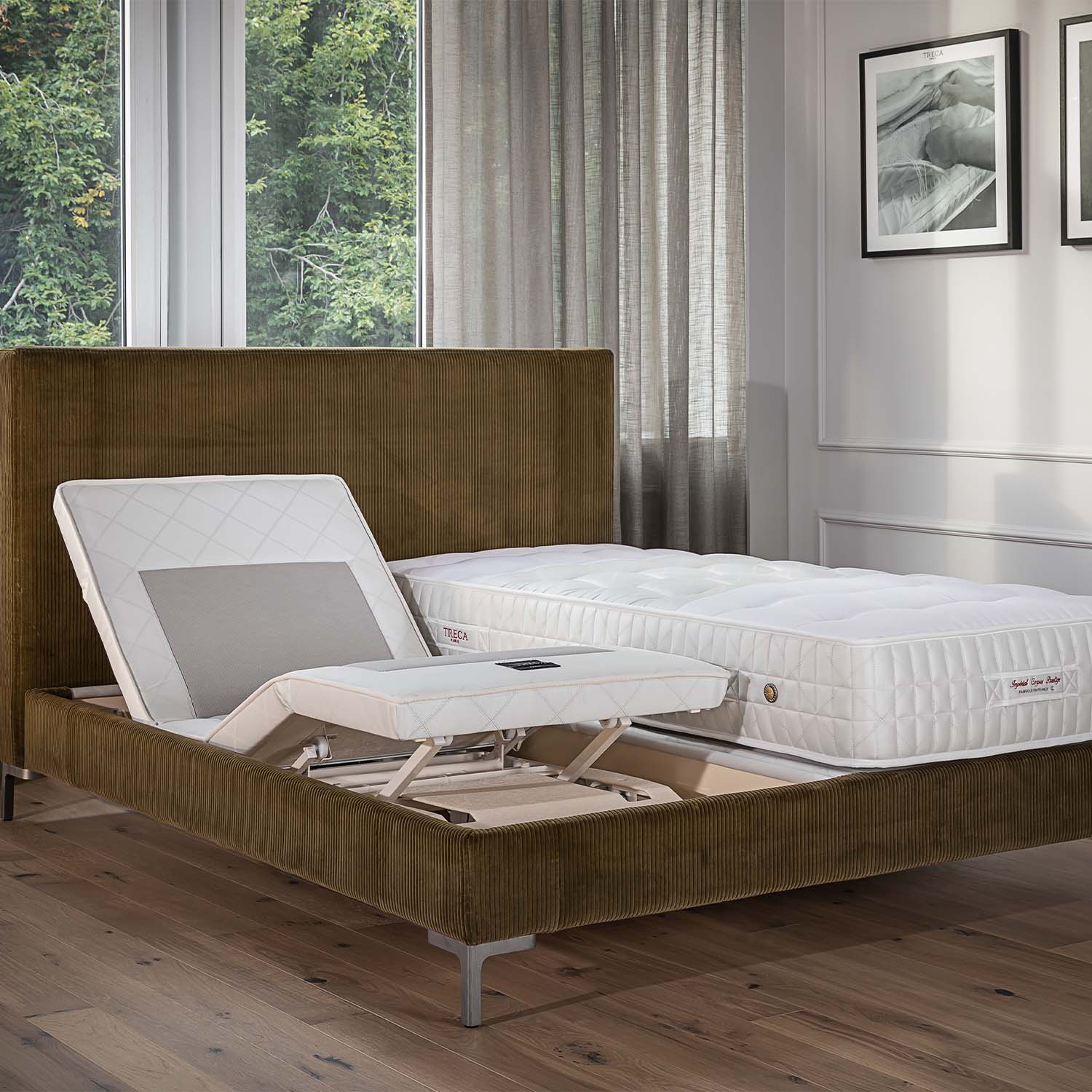
This is where premium mattress craftsmanship makes a visible difference. Better materials hold their structure more consistently, respond more precisely to weight, and age with greater grace. Layers of natural fibers, advanced gel technologies, refined spring systems, or carefully engineered foams can all improve comfort, but only when thoughtfully matched to the sleeper. Luxury, in this category, is not excess. It is precision.
The mattress topper question
A topper can elevate sleep comfort, but it is not a cure for every mattress problem. If your mattress is fundamentally supportive and simply feels a touch too firm, a well-made topper can add pressure relief and a more indulgent surface feel. If the mattress is sagging or unsupportive, a topper often masks the issue for a short time rather than solving it.
For many bedrooms, a topper is best viewed as a refinement layer. It can soften sharp pressure points, help regulate surface temperature depending on the fill, and add a tailored finish to the sleep system. The key is proportion. Too thick, and you may lose the support benefits of the mattress beneath.
The pillow is where comfort often breaks down
People tolerate the wrong mattress for a while, but the wrong pillow makes itself known almost immediately. Neck strain, shoulder tension, numb arms, and morning headaches often start here. A pillow should support the head so that the neck remains in line with the spine, not tilted upward or dropping down.
The right loft depends on your sleep position and mattress feel. A side sleeper on a firmer mattress may need a higher pillow because the shoulder does not sink as deeply. The same person on a more contouring mattress may need less height. Back sleepers generally benefit from medium loft and stable support, while stomach sleepers usually need something very low, if any pillow at all.
Material also matters. Down offers softness and adaptability with a refined, cloud-like feel, while structured performance materials provide more consistent shape retention. Neither is automatically better. It depends on whether you prioritize moldability, cooling, resilience, or a more technical support experience. In a luxury bedroom, pillow selection should be treated with the same seriousness as mattress selection.
Bedding can improve or undermine comfort
Even an exceptional mattress can feel disappointing under heavy, non-breathable bedding. Sleep comfort is tactile. It lives in the small sensory details your body registers all night long - heat retention, fabric friction, excess weight, and moisture management.
Natural fibers tend to feel more breathable and composed against the skin. Fine cotton percale offers a crisp, cool hand that many warm sleepers appreciate, while sateen brings a smoother, silkier drape with a slightly richer feel. Linen can be exquisite for those who like texture and airflow, though it is not for everyone. If you prefer a more polished bed aesthetic, high-quality cotton often provides the most versatile balance of elegance and comfort.
Your duvet or comforter deserves similar scrutiny. Too much fill creates overheating. Too little leaves the body unsettled, especially in cooler rooms. The best choice depends on bedroom climate, personal temperature regulation, and whether you prefer a light floating cover or a more enveloping sensation. Seasonal layering is often more effective than forcing one all-year solution.
Why fabric finish matters
Luxury bedding is not only about thread count. Weaving, finishing, fiber length, and craftsmanship shape how sheets perform over time. Superior fabrics maintain softness, resist pilling, and move gracefully with the body rather than twisting or trapping heat. For comfort-minded buyers, those distinctions are not decorative details. They are the difference between a bed that feels curated and one that simply looks complete.
Temperature is one of the biggest comfort disruptors
Many sleep complaints are actually temperature complaints in disguise. If you wake up repeatedly, throw off covers, or feel restless without knowing why, heat may be the issue. The bedroom should feel cool enough to support sleep onset but not so cold that your body tenses through the night.
This is why breathable layers matter more than heavy insulation. A mattress with better airflow, a topper that does not trap warmth, moisture-managing sheets, and a duvet matched to the season all contribute to a more stable sleep climate. If one part of the sleep system runs hot, the rest has to compensate.
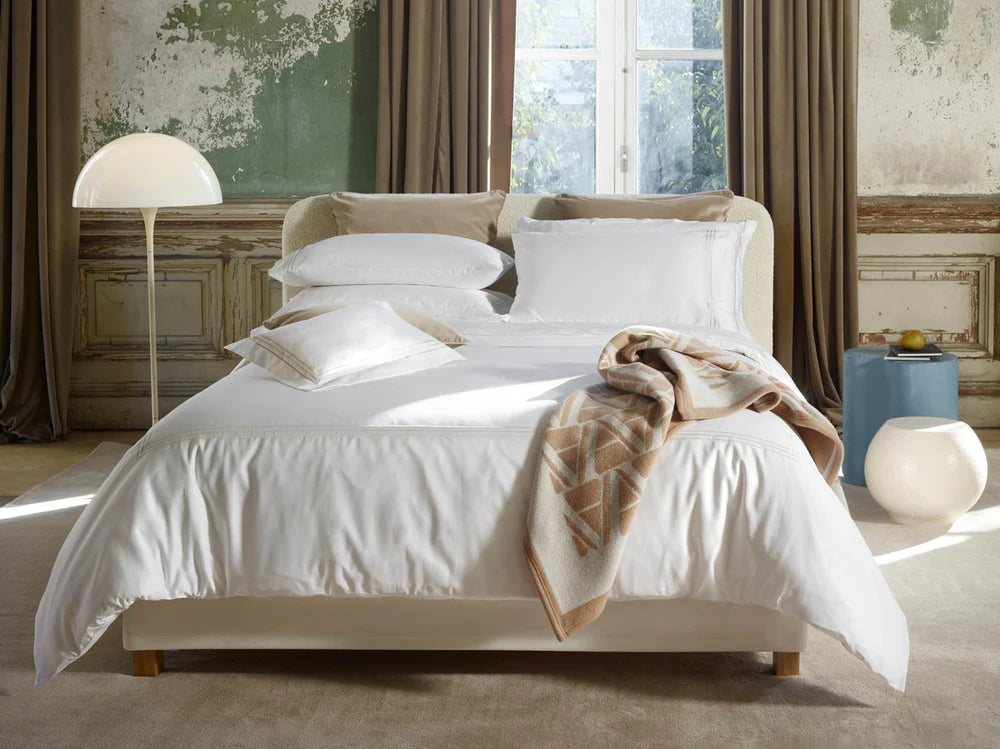
There is also a design consideration here. Upholstered beds, layered textiles, rugs, and blackout drapery can enrich the room beautifully, but they should not make the environment stuffy. A refined bedroom feels serene and enveloping, not airless. Comfort improves when the room supports both visual calm and physical ease.
How to improve sleep comfort through bedroom design
A well-appointed bedroom should feel edited, not crowded. Visual noise can make it harder to wind down, and physical clutter tends to create subtle friction at the end of the day. Sleep comfort is partly bodily, but it is also atmospheric.
Start with the bed as the focal point. A substantial, beautifully made bed frame creates presence, though scale should match the room. If the bed dominates too aggressively, the space may feel compressed. If it is too slight, the room can feel unresolved. Proportion contributes to comfort in ways people notice emotionally before they name them.
Lighting also affects how restful the room feels. Harsh overhead light is useful when dressing a bed or organizing a wardrobe, but softer bedside lighting is more conducive to evening calm. Texture, upholstery, and high-quality linens all deepen this effect. The result should feel composed and inviting, with every element working toward rest rather than mere decoration.
Small adjustments can make a premium difference
Sometimes the issue is not that the entire sleep setup is wrong. It may be that one or two details are undermining an otherwise excellent bed. If sleep feels close to comfortable but not quite there, refinement is usually more effective than replacement.
Check whether your pillow height still suits your mattress. Rotate or refresh bedding layers based on season. Consider whether your fitted sheet is too tight and altering the feel of the mattress surface. Notice whether your duvet weight is soothing or restrictive. These are subtle changes, but sophisticated sleep comfort is often built through subtlety.
For couples, comfort can be even more nuanced. One sleeper may want a cooler bed, the other a softer surface. One may prefer a lofty pillow, the other something lower and denser. A thoughtfully curated sleep system allows for those differences rather than forcing compromise at every layer.
Comfort improves when you think in systems, not single products
The most successful bedrooms are designed as complete sleep environments. Mattress, pillow, topper, sheets, duvet, bed frame, and room styling should support one another in both function and finish. That is why premium retail curation matters. It saves you from building a bed through disconnected decisions that may look luxurious but sleep poorly.
For shoppers investing in better rest, the strongest approach is to evaluate the entire experience from the first point of contact to the final layer. How does the mattress support the body? Does the pillow maintain alignment? Do the sheets breathe well enough for your sleep temperature? Does the room itself feel calm, balanced, and worthy of retreat? When those answers align, comfort stops being occasional and becomes reliable.
At Sleeping Plaza, this philosophy defines the difference between simply furnishing a bedroom and creating one that genuinely restores. And that is the real measure of comfort - not how impressive the bed appears at first glance, but how completely it welcomes you back, night after night.