Do Mattress Toppers Improve Comfort?
A mattress can look impeccable, carry an impressive pedigree, and still feel slightly off once you have spent a few nights on it. That is usually when the question comes up: do mattress toppers improve comfort, or are they simply an extra layer with clever marketing behind them? In many cases, they do improve comfort quite noticeably, but the result depends on what is making the bed feel wrong in the first place.
A well-chosen topper can soften a mattress that feels too firm, add a more cushioned surface, reduce some pressure at the shoulders and hips, and create a more refined sleep feel overall. What it cannot do is completely correct a mattress with deep structural sagging, poor support, or a comfort profile that is fundamentally unsuitable for your body. The distinction matters, especially when you are furnishing a bedroom with long-term comfort and design quality in mind.
Do Mattress Toppers Improve Comfort or Just Change the Feel?
The shortest answer is that a mattress topper changes the sleep surface, and that change often improves comfort. Comfort, however, is personal. For one sleeper, comfort means a plush, enveloping surface that eases pressure points. For another, it means a cleaner, more buoyant sensation with gentle cushioning but steady support underneath.
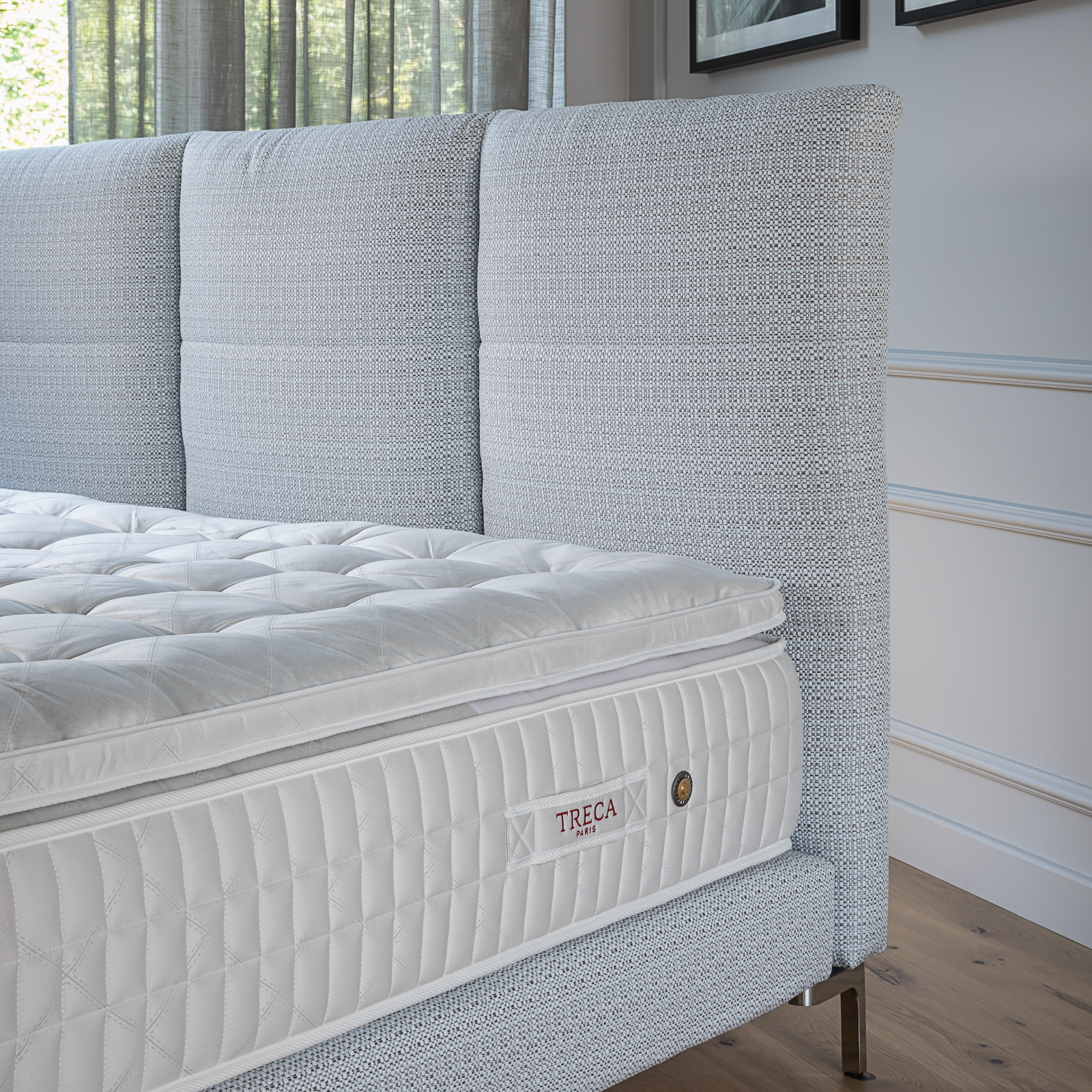
A topper sits above the mattress and below the fitted sheet, adding an extra comfort layer without replacing the support core of the mattress itself. That means it can meaningfully alter surface feel, temperature response, and pressure relief. It does not usually transform the deeper support architecture of the bed.
This is why toppers work so well in certain situations. If your mattress is supportive but feels firmer than you prefer, a topper can bring the balance back into place. If your mattress already lacks support, the topper may make the bed feel more padded at first, but the underlying problem will remain.
When a Topper Makes a Real Difference
The best reason to add a topper is precision. It lets you fine-tune comfort without replacing the entire mattress.
A classic example is the high-quality mattress that feels just a touch too firm. The support may be excellent, the materials may be beautifully crafted, and the bed may still leave you wanting more cushioning across the shoulders, ribs, or hips. In that case, a topper can add the missing layer of softness and create a more tailored sleep experience.
Toppers can also be useful in guest rooms and design-led homes where the bed needs to satisfy different preferences. A mattress with a more universal medium-firm feel can be elevated with a topper to create a more indulgent, hotel-inspired finish. This gives the bed a more welcoming hand feel without committing to a permanently softer mattress.
There is also the tactile side of comfort, which is often overlooked. Some toppers introduce a smoother, denser, more luxurious surface that simply feels more sophisticated at first contact. For many discerning buyers, that immediate sensation matters. The bed should not only support sleep well, it should feel beautifully considered from the moment you lie down.
The Materials Matter More Than Most People Realize
Not all toppers improve comfort in the same way. Material choice shapes the experience.
Memory foam toppers tend to offer deeper contouring. They can be excellent for pressure relief and can soften a mattress quite dramatically. For sleepers who want a cradled feel, this can be very appealing. The trade-off is that some memory foam formulations feel denser and less airy, which may not suit those who prefer a more lifted, responsive sleep surface.
Latex toppers usually feel more buoyant and resilient. They provide cushioning, but with more pushback and ease of movement. This makes them attractive for sleepers who want comfort without the sensation of sinking in too deeply. High-quality latex also has a reputation for durability, which is important in a premium sleep environment.
Feather and down toppers create a plush, cloud-like surface and can bring a distinctly luxurious finish to the bed. They are often prized for softness and elegance rather than structural pressure relief. They can be exquisite for those who love a softer hand feel, though they typically require more regular fluffing and maintenance to keep that lofted appearance.
Wool toppers occupy a different category. They are often chosen for their natural comfort, subtle cushioning, and temperature-regulating qualities. Rather than dramatically changing support, they tend to refine the bed’s surface and add a more breathable, composed sleeping climate.
In a premium bedroom, the right material is not just about softness. It is about how the bed performs night after night, how it complements the mattress beneath it, and how it contributes to the overall sense of craftsmanship.
Do Mattress Toppers Improve Comfort for Every Sleeper?
Not automatically. Body type, sleep position, and personal preference all influence the outcome.
Side sleepers often benefit most from toppers because they usually need more pressure relief around the shoulders and hips. A mattress that feels acceptable for back sleeping can feel unyielding on the side, and a topper can soften those sharper contact points.
Back sleepers tend to do well when a topper adds moderate cushioning without compromising alignment. Too much softness can allow the hips to sink more than is ideal, which can affect comfort over time.
Stomach sleepers usually need to be more careful. A very plush topper may feel sumptuous at first, but if it lets the midsection dip too far, the overall sleep posture can become less comfortable.
Couples should also think beyond softness alone. Motion transfer, heat retention, and ease of movement matter when two people share a bed. One partner may love a contouring topper while the other prefers a more responsive surface. In those cases, expert guidance is often worth far more than trial and error.
Thickness Changes the Result
A topper’s thickness has a major effect on how much comfort changes. A slim topper can add refinement and a slightly softer finish. A thicker topper can reshape the feel of the mattress far more noticeably.
If the mattress only needs a subtle adjustment, a lower-profile topper is often the more elegant solution. It preserves the original character of the mattress while softening the edges of firmness.
If the bed feels significantly too hard, a thicker topper may be necessary. Even then, there is a balance to strike. Too much thickness can make the sleep surface unstable or overly plush, especially if the mattress underneath already has some give.
Luxury sleep is rarely about excess. It is usually about proportion - enough cushioning to feel indulgent, enough support to feel composed, and enough quality in the materials to ensure the comfort lasts.
When a Topper Is Not the Right Answer
This is where realistic expectations matter. A topper is an enhancement, not a cure-all.
If your mattress has visible body impressions, sagging, or inconsistent support, a topper may disguise the issue briefly but will not resolve it. If you wake up with recurring discomfort because the mattress is no longer supporting your spine properly, replacing the mattress is usually the wiser investment.
The same applies if the mattress is simply the wrong comfort category for your needs. If it feels too soft and unsupportive, adding another soft layer on top is unlikely to help. In that case, the bed needs a better foundation, not more surface plushness.
There is also an aesthetic and practical consideration. A poorly fitted topper can shift, bunch, or create an overbuilt look on the bed. For shoppers who care about bedroom presentation as much as comfort, construction quality and fit are not minor details. They are part of the experience.
How to Choose a Topper That Actually Feels Luxurious
A truly satisfying topper should do more than make the mattress softer. It should feel intentional.
Start with the mattress you already have. Is it supportive but slightly firm? Is it comfortable in some positions but not others? Are you looking for pressure relief, temperature balance, or a more sumptuous finish? The more exact the goal, the better the result.
Then look closely at material quality, cover fabric, and craftsmanship. A premium topper should sit beautifully on the bed, maintain its structure well, and complement the mattress rather than fight against it. Fine stitching, breathable textiles, and carefully selected fill materials make a noticeable difference over time.
This is also where curation matters. Rather than choosing from an endless field of generic options, it is often better to shop through a retailer that understands complete sleep systems and how components work together. For customers seeking a refined bedroom experience, Sleeping Plaza reflects that more considered approach.
The Better Question Is What Kind of Comfort You Want
So, do mattress toppers improve comfort? Very often, yes. They can soften, refine, and elevate a bed in a way that feels immediate and genuinely worthwhile. But the best toppers do not perform miracles. They make a good mattress feel more tailored, more indulgent, and more aligned with the sleeper using it.
If your mattress has strong fundamentals, a topper can be the finishing layer that turns a good night’s sleep into something far more restorative. And sometimes that final layer is exactly what makes a bedroom feel complete.