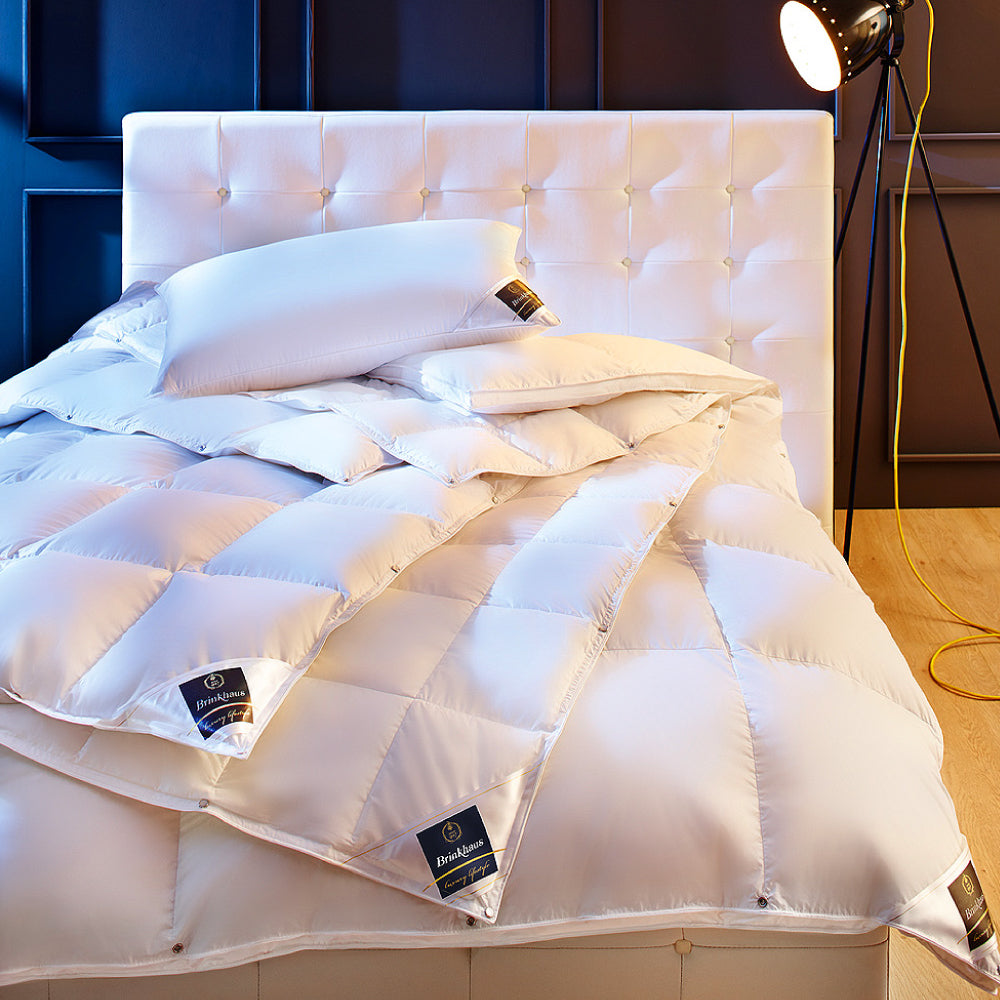
What Is a Sleep System, Exactly?
A beautiful bed can catch the eye in a moment. A true sleep system earns its place night after night. If you have ever asked what is a sleep system, the answer is simpler and more valuable than it first sounds: it is not one product, but a coordinated set of sleep essentials designed to work together for comfort, support, temperature balance, and lasting performance.
That distinction matters more in the premium market. When a mattress is chosen in isolation, even an excellent one can underperform. The base may not support it correctly, the pillow may place the neck at the wrong angle, and the bedding may trap heat or disrupt the feel of the sleep surface. A sleep system brings those elements into alignment so the bed performs as a complete environment, not as a collection of unrelated purchases.
What Is a Sleep System?
At its core, a sleep system is the combination of components that shape how you rest. Most often, that includes the mattress, the bed base or foundation, the pillow, the topper if one is used, and the bedding layered closest to the body. In a more refined bedroom setting, it may also extend to the bed frame, protectors, seasonal duvets, and even lounge seating that supports a more restorative nighttime routine.
The key idea is coordination. A mattress is designed with a certain level of flex, pressure relief, and airflow. A base affects how that mattress responds under weight. A pillow influences spinal alignment from the shoulders up. Sheets, protectors, and duvets can alter heat retention, touch, and moisture control. When these pieces are selected with intention, the result feels noticeably different from a bed assembled one item at a time.
Why a Sleep System Matters More Than a Mattress Alone
Luxury sleep is rarely about a single hero product. It is about how materials, engineering, and craftsmanship interact.
Take support, for example. Many people assume support comes only from the mattress. In practice, the base beneath it plays a significant role. A sprung base can add responsiveness and a slightly more cushioned feel, while a firmer platform may create a steadier, more grounded surface. Neither is universally better. It depends on the mattress design and the sleeper's preference.
The same is true of pressure relief. A premium topper can soften the feel of a mattress, add a layer of tailored comfort, and help fine-tune the sleep surface without replacing the entire bed. But it can also change temperature regulation and body positioning. That is why toppers work best when they are chosen as part of a wider system rather than as a quick fix.
Pillows are another overlooked factor. Even the most beautifully crafted mattress can feel wrong if the pillow is too high, too low, too dense, or too soft for the sleeper's build and sleep position. Alignment begins at the mattress and continues through the neck and shoulders. A sleep system accounts for that full line of support.
The Main Components of a Sleep System
A mattress is typically the centerpiece, but it should never be the whole story. Its role is to provide core comfort and support, whether through pocket springs, foam, gel-infused materials, latex, or layered hybrid construction. In premium collections, materials and craftsmanship often determine not only feel, but durability and refinement over time.
The base or foundation is the structural partner. It supports the mattress, influences how it responds, and can affect everything from airflow to edge stability. In higher-end bedrooms, the base is also part of the design language of the room, contributing both function and visual presence.
A topper adds another level of adjustment. Some sleepers want a touch more softness. Others want to protect the mattress while preserving its original feel. In certain cases, a topper can help bridge the gap between two preferences in a shared bed. It is useful, but only when chosen thoughtfully.
The pillow is often the most personal part of the system. Side sleepers, back sleepers, and combination sleepers usually need different loft and support profiles. Premium pillow materials can also influence cooling, pressure distribution, and the overall sensation of luxury.
Then there is bedding. Sheets, protectors, duvets, and pillowcases shape the immediate tactile experience. They affect breathability, moisture management, and the quiet elegance of the bed itself. Fine bedding is not decorative afterthought. It is part of the sleep climate.
What Is a Sleep System for Different Types of Sleepers?
The best answer is rarely one-size-fits-all. A sleep system should reflect how someone actually sleeps, not just what looks impressive in a showroom.
For side sleepers, pressure relief around the shoulders and hips usually matters more. That may call for a mattress with a more adaptive comfort layer, paired with a pillow that fills the space between the head and shoulder without lifting the neck too aggressively.
Back sleepers often benefit from balanced support that keeps the spine in a neutral position. Too much softness can allow the body to sink unevenly, while too much firmness can create tension. The right base and pillow become especially important here.
For hot sleepers, breathable materials across the whole system matter more than marketing claims attached to a single item. A cooling mattress alone may not solve the issue if the protector is dense and non-breathable, or the duvet is too heavy for the season.
Couples may need a more nuanced setup. Motion isolation, edge support, and dual comfort preferences all come into play. Sometimes the ideal solution is a mattress with excellent partner disturbance control. In other cases, separate toppers, distinct pillow profiles, or an adjustable base can create better harmony.
How to Choose a Sleep System Well
Start with how you want the bed to feel after eight hours, not just how it feels for five minutes. Immediate softness can be appealing, but lasting support and temperature comfort are what define the experience over time.
Next, consider the relationship between mattress and base. Not every base suits every mattress. Some mattresses perform best on a slatted design with specific spacing. Others benefit from a more structured foundation. If the pairing is wrong, comfort and longevity can both suffer.
Think carefully about the pillow rather than treating it as an accessory. Your mattress height, your shoulder width, and your sleep position all influence what will feel supportive. This is one of the simplest ways to improve the performance of the whole system.
Finally, pay attention to bedding materials. Natural fibers can offer excellent breathability and a polished finish, while certain performance textiles may appeal to sleepers who prioritize easy care or specific cooling properties. The right choice depends on your priorities, your climate, and the overall feel you want from the bed.
Luxury Sleep Systems and the Value of Curation
In the premium category, curation is part of the product. The advantage is not only access to exceptional brands, but the ability to bring them together in a coherent way. A beautifully engineered mattress deserves a compatible base, refined bedding, and pillows that complete the experience rather than compromise it.
This is where expert guidance becomes valuable. There is a difference between buying premium pieces and building a premium sleep environment. The first can still leave room for mismatch. The second is more intentional. It considers design, performance, comfort preferences, and long-term satisfaction as part of one decision.
For many shoppers, that also means the bedroom looks better when the sleep system is chosen well. Proportions feel right. Materials feel harmonious. The bed does not simply function well - it presents beautifully.
Common Misunderstandings About Sleep Systems
One common misconception is that a sleep system is just a marketing term for a mattress set. In reality, a proper sleep system goes beyond the standard pairing of mattress and base. It accounts for the details that shape nightly comfort, from pillow support to breathable bedding layers.
Another is that more layers automatically mean more luxury. They do not. Too many additions can make a bed overly warm, too soft, or less supportive. Quality and compatibility matter more than volume.
There is also the belief that once you buy a premium mattress, the rest is secondary. In practice, smaller elements often determine whether that investment feels exceptional. The mattress may be the foundation of comfort, but the sleep system is what completes it.
A well-chosen sleep system is one of the few home investments you experience every single night. It supports sleep quality, but it also shapes how the bedroom feels as a private retreat - composed, restorative, and distinctly yours.