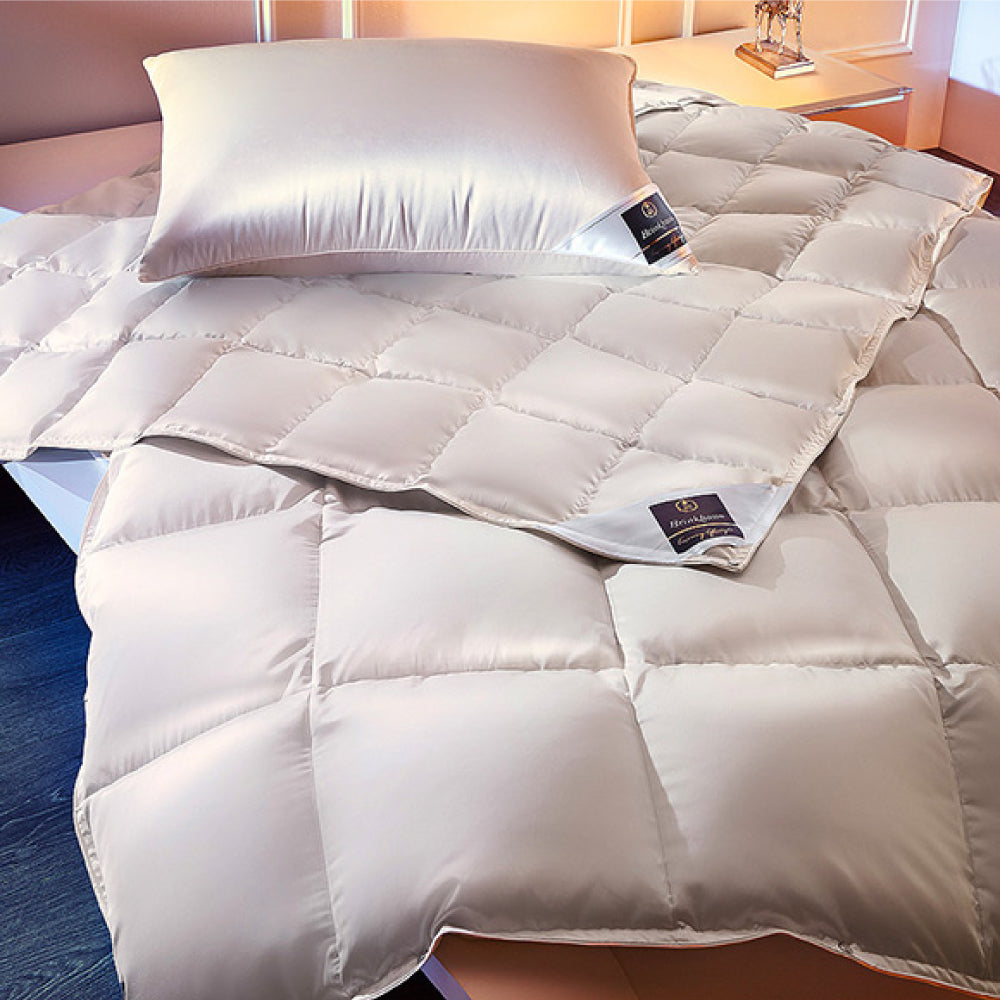
Duvet Tog Rating Explained Clearly
A duvet can look beautifully made, feel wonderfully soft, and still leave you too warm at 2 a.m. or reaching for an extra layer before dawn. That is why duvet tog rating explained properly matters. Tog is not a marker of luxury on its own - it is a measure of thermal insulation, and choosing the right one has everything to do with how you sleep, the temperature of your bedroom, and the kind of comfort you prefer.
For many shoppers, tog ratings seem straightforward until they start comparing options. Is a higher number always better? Does a lighter duvet mean lower quality? And why do two duvets with the same tog sometimes feel completely different? Once you understand what tog actually tells you, the decision becomes far more precise.
Duvet tog rating explained: what tog really means
A tog rating measures how effectively a duvet traps warmth. The higher the tog, the more insulation it provides. In simple terms, a 13.5 tog duvet is designed to feel warmer than a 4.5 tog duvet.
What tog does not tell you is just as important. It does not measure softness, loft, breathability, craftsmanship, or the quality of the fill. A premium duvet and a more ordinary one may share the same tog rating while delivering a very different sleep experience. That difference often comes down to the fill material, the casing fabric, and how well the duvet balances warmth with airflow.
This is where premium bedding stands apart. Exceptional duvets are not only designed to insulate, but to do so with elegance - creating warmth without heaviness and comfort without a stifling feel.
Why tog is only one part of the picture
If you have ever slept under a duvet that felt oddly warm yet strangely clammy, you have already experienced the limits of tog as a single buying metric. Thermal rating matters, but it should never be the only criterion.
Natural fills such as down are prized because they can deliver impressive warmth while remaining light and airy. That gives the bed a more refined, cloudlike feel. Other fills may achieve the same tog with more weight or less breathability. For some sleepers, that is perfectly acceptable. For others, especially those investing in a luxury sleep environment, the sensation of lightness is part of the appeal.
The outer fabric also plays a role. A finely woven cotton casing can help regulate airflow and elevate the overall hand feel. Construction matters too. A well-made duvet distributes fill evenly, so warmth remains consistent across the bed rather than collecting in pockets.
Common tog ratings and when they work best
Most duvet tog ratings fall into a few familiar categories. A 2.5 to 4.5 tog duvet is generally considered suitable for summer or for very warm bedrooms. It offers light insulation and is often preferred by hot sleepers or those living in milder climates.
A 7.5 tog duvet sits in the middle and works well for transitional seasons such as spring and fall. It is a practical choice if your bedroom temperature stays fairly balanced year-round and you prefer moderate warmth.
A 10.5 tog duvet is one of the most versatile options. For many households, it provides comfortable warmth through much of the year without feeling overly heavy. In temperature-controlled homes, this is often the sweet spot.
A 13.5 tog duvet is usually chosen for winter or for sleepers who feel the cold more intensely. In a cooler bedroom, it can feel deeply comforting. In a well-heated home, however, it may be more than you need.
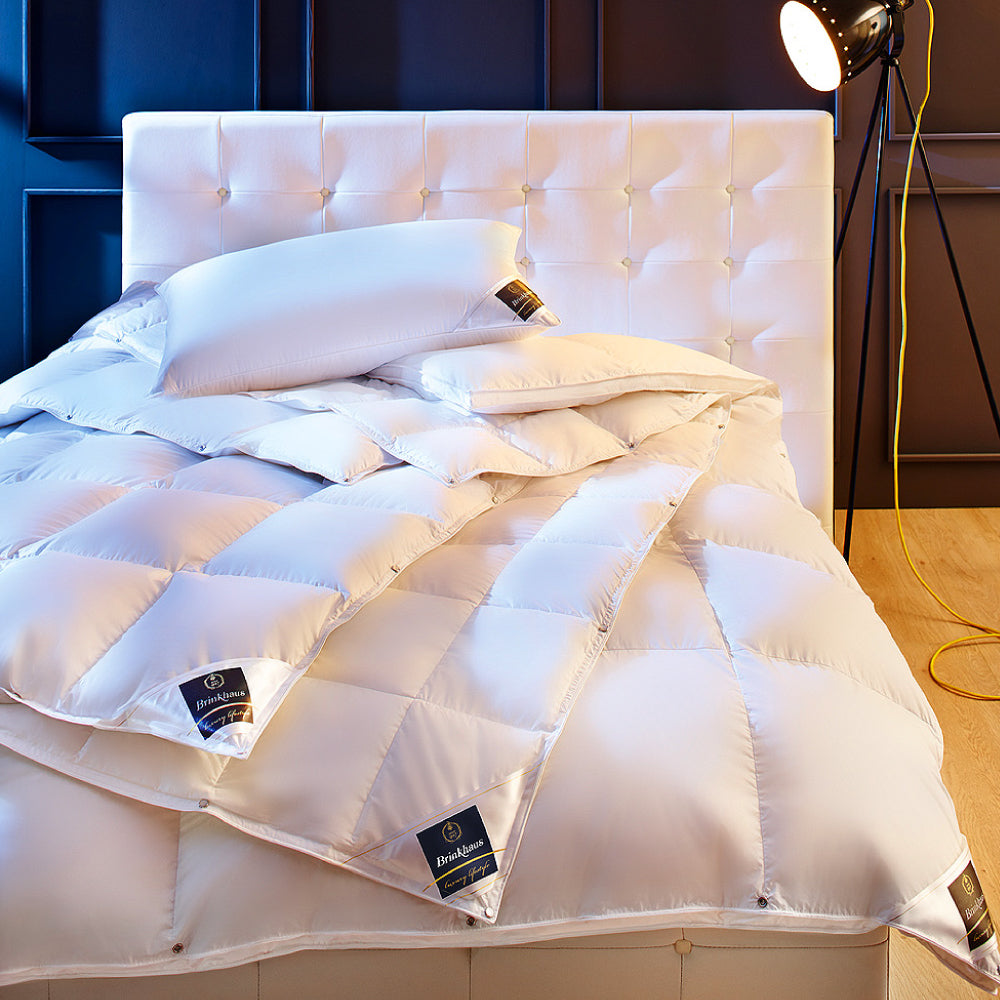
Some collections also include all-seasons duvets, often made from two lighter duvets that fasten together. This approach offers flexibility and can be especially appealing if you want a more tailored setup across changing temperatures.
Duvet tog rating explained for different sleepers
The right tog is personal. A couple sharing the same bed may have very different comfort needs, which is why selecting a duvet should begin with the sleeper, not just the season.
If you sleep warm, perspire during the night, or prefer a cooler sleep surface, a lower tog is often the better investment. Choosing a breathable fill and a premium cotton cover becomes especially important here, because comfort depends as much on ventilation as on warmth.
If you tend to feel chilled, a higher tog may suit you well, particularly in winter. Yet warmth should still feel graceful rather than oppressive. A beautifully made higher-tog duvet should cocoon, not overwhelm.
For couples with different temperature preferences, an all-seasons approach can make more sense than committing to one heavy duvet year-round. Another consideration is layering. In a thoughtfully styled bedroom, it can be more elegant and practical to pair a moderate duvet with supplementary blankets or throws than to rely on excessive tog alone.
Does a higher tog mean a better duvet?
Not at all. A higher tog simply means more warmth. It does not automatically indicate superior craftsmanship, finer materials, or a more luxurious finish.
A beautifully made 4.5 tog duvet can be a far more premium product than a basic 13.5 tog alternative. The quality is reflected in the fill power, the softness of the casing, the precision of the stitching, and the way the duvet performs night after night.
This is often where discerning shoppers benefit from expert guidance. The most satisfying bedding choices are not based on the highest number, but on the best balance of insulation, breathability, weight, and material quality.
Fill type changes how tog feels
Two duvets with the same tog rating can create very different sensations in bed. That is because fill type influences loft, airflow, and drape.
Down and feather blends tend to offer a classic plush look with excellent insulation. Higher down content usually creates more loft and lightness, which many luxury buyers prefer. Wool can regulate temperature well and appeal to those who like natural performance with a slightly denser feel. Premium synthetic fills can also be impressively refined, particularly for shoppers seeking easier care or specific allergy considerations.
The key point is that tog tells you the level of warmth, while the fill tells you a great deal about how that warmth is delivered. In a premium bedroom, that difference is not minor - it shapes the entire sleeping experience.
How to choose the right tog for your bedroom
Start with your room, not the label. If your bedroom is climate controlled and stays consistently comfortable, you may need less tog than you think. Many modern homes retain heat efficiently, making very high tog duvets unnecessary except during the coldest months.
Next, consider your own sleep profile. Do you sleep hot? Do you keep a window open in winter? Do you want the bed to feel airy and hotel-like, or deeply cocooning? These preferences matter far more than broad seasonal advice.
It is also worth thinking about aesthetics. A luxurious bed is about visual fullness as well as comfort, but volume should not come at the expense of sleep quality. A duvet can look generous and inviting without being overly warm if the materials and construction are chosen well.
For many shoppers furnishing a refined bedroom, the most practical route is a curated bedding wardrobe: a lighter duvet for warm months, a medium or winter option for cooler periods, and beautifully chosen layers to adapt the look and feel of the bed.
The most common mistake shoppers make
The biggest mistake is assuming warmth problems should always be solved with a higher tog. If you are waking up uncomfortable, the issue may be poor breathability, overly heavy fill, or a bedroom that is simply too warm for the duvet you own.
The second mistake is ignoring material quality in favor of numbers. Tog is useful, but it is not the whole story. A well-crafted duvet should support restorative sleep while also contributing to the elevated character of the room.
That is why premium bedding selection feels less like buying a commodity and more like choosing part of a complete sleep system. When the tog, fill, fabric, and finish are all in harmony, the difference is unmistakable.
The best duvet is not the warmest one on the shelf. It is the one that matches your room, your sleep habits, and the level of comfort you want to return to every night. Choose with that standard in mind, and your bed will feel as considered as the rest of your home.