How to Layer Premium Bedding Beautifully
A beautifully made bed is never just about decoration. The right arrangement changes how the room feels when you walk in, how the fabric settles against the skin at night, and how easily the bed shifts from practical comfort to polished presentation. If you have been wondering how to layer premium bedding, the answer begins with balance - between softness and structure, warmth and breathability, visual richness and restraint.
Luxury bedding should feel considered rather than crowded. In a premium bedroom, every layer has a role. The fitted sheet creates the foundation. The top sheet introduces smoothness and refinement. The duvet provides loft and warmth. Pillows shape both sleep comfort and the bed's silhouette. Throws and decorative cushions finish the composition, but they should never overpower it.
How to layer premium bedding from the foundation up
The most successful bed styling starts with materials, not accessories. Before thinking about the final look, begin with the layers you actually sleep in. Premium bedding performs best when each component is chosen for a specific purpose and when the fabrics complement one another in weight, hand feel, and finish.
Start with a fitted sheet in a high-quality natural fiber. Long-staple cotton percale offers a crisp, cool finish that suits warmer sleepers and tailored interiors. Sateen feels silkier and drapes with more fluidity, which can read especially luxurious in a primary bedroom. Linen introduces relaxed texture and breathability, though it creates a softer, less formal line than cotton. None is inherently better - it depends on whether your priority is freshness, sheen, or ease.
Over the fitted sheet, add a flat sheet if you appreciate a more traditional luxury bed. This layer gives the bed a finished look and can help preserve the duvet cover between washes. Many shoppers now skip it for a more casual approach, but in a premium setting, a flat sheet often adds the sense of completeness people associate with fine hotels and carefully dressed interiors.
The next layer is the duvet or comforter. This is where comfort and visual volume meet. A lightweight insert creates a clean, understated profile, while a medium or lofty fill gives the bed a fuller, more indulgent presence. For year-round use, many households prefer a medium-weight duvet with strong breathability. In cooler homes or for those who enjoy a cocooning feel, a warmer fill may be the better choice. The goal is not the heaviest bed possible. It is the right level of warmth with elegant drape.
A duvet cover should work in harmony with the sheets rather than compete with them. Tone-on-tone palettes are often the most sophisticated because they let texture do the work. White, ivory, sand, taupe, soft gray, and muted blue remain enduring choices in luxury bedrooms because they feel calm and architectural. If you prefer pattern, keep it refined - subtle jacquards, narrow borders, and understated embroidery tend to age far better than trend-driven prints.
The right pillow arrangement matters
Pillows are where many beds lose their discipline. Too few, and the bed looks flat. Too many, and it becomes inconvenient. Premium bedding should feel generous, but also livable.
Begin with the pillows you sleep on. Standard or king sleeping pillows should sit at the front of the arrangement when the bed is in use, but for styling, they are usually layered behind decorative pieces or covered in matching shams. European squares are often the secret to a more elevated bed because they add height and a tailored backdrop without looking fussy. On a queen bed, two Euro shams are usually enough. On a king, three often create the best proportion.
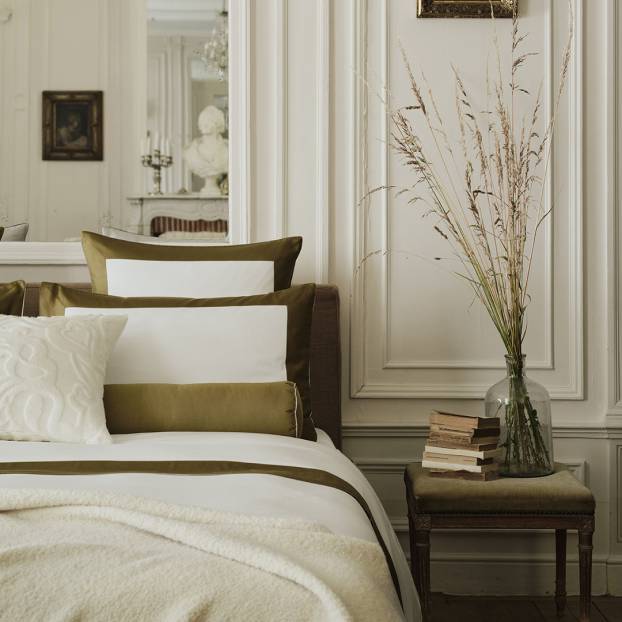
In front of those, place your standard or king shams, followed by one accent cushion or a compact pair if the bed is especially wide. Restraint is valuable here. A luxury bed does not need six small decorative pillows to look complete. In fact, one well-made accent cushion in a rich texture or subtle contrast often feels more refined than an overstyled arrangement.
Pillow fill also matters. Down and feather blends provide the soft, sink-in effect many people associate with luxury hotels, while down-alternative options offer structure and are often preferred by allergy-sensitive households. The best choice depends on your comfort preferences, but visually, a premium pillow should look full, supportive, and properly scaled to the sham.
How to layer premium bedding for warmth and texture
Once the essential layers are in place, texture becomes the difference between a bed that looks expensive and one that feels genuinely curated. Texture creates depth even in a monochromatic palette, and it is especially important in luxury bedrooms where the color story is intentionally restrained.
This is where a coverlet, matelasse, or lightweight quilt can be transformative. Layered between the sheets and the duvet, or folded at the foot of the bed, it introduces dimension without visual noise. It also adds practical flexibility. In warmer months, a coverlet may be enough on its own. In colder seasons, it acts as an extra insulating layer while making the bed look more substantial.
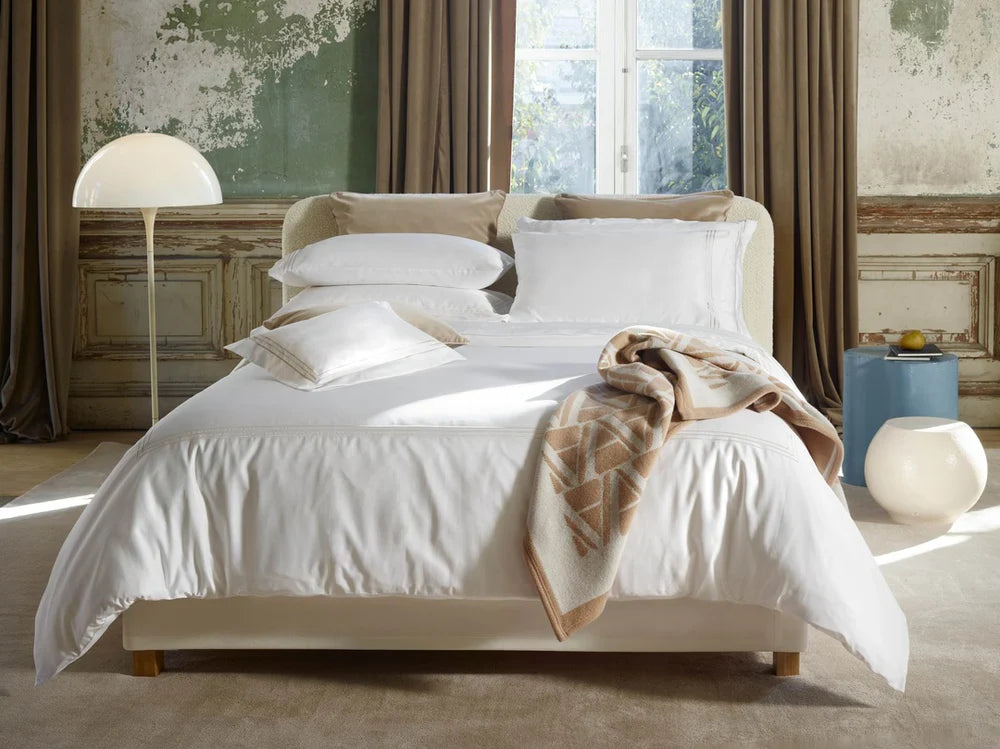
A throw is the final gesture, not the centerpiece. Cashmere, brushed cotton, fine wool, or an exquisitely woven blend can soften the architecture of the bed and make the room feel finished. Drape it lengthwise across one lower corner for a more relaxed, editorial effect, or fold it neatly at the foot for a cleaner presentation. Both can work beautifully. The better choice depends on the room. A more formal interior often benefits from precision, while a softer, contemporary bedroom may feel more inviting with a slightly undone touch.
Proportion is what makes a bed look expensive
Many people focus on thread count or brand name alone, but proportion is what gives premium bedding its visual authority. If the duvet is too small for the mattress depth, the bed will never look generous. If the pillows are undersized, the arrangement loses presence. If every layer is the same tone and texture without variation, the result can feel flat rather than serene.
A deeper mattress, especially when paired with a topper, often benefits from generously cut sheets and a duvet with enough drop on each side. Oversized bedding can make a notable difference, particularly on luxury mattresses where extra height is part of the comfort experience. This is one of those details discerning shoppers notice immediately. The bed simply looks more composed.
Scale matters with accessories as well. On a king bed, small decorative cushions can look lost. On a queen, oversized Euro pillows can dominate if everything else is too minimal. The strongest arrangements are scaled to the mattress and headboard, not copied from a generic display.
Color, finish, and the luxury bedroom mood
If your bedroom includes premium furniture, lighting, and upholstery, bedding should support that design language. Crisp white remains a classic because it signals cleanliness and craftsmanship, but it is not the only luxurious option. Warmer neutrals often feel more residential and layered, especially in homes with wood tones, upholstered headboards, or textured wall finishes.
The finish of the fabric influences the mood as much as the color. Percale brings freshness and a more tailored line. Sateen catches the light and feels more opulent. Linen reads relaxed, artisanal, and quietly confident. Embroidery, appliqué, and borders can elevate the look, though they should feel intentional rather than decorative for decoration's sake.
There is also a practical side to color selection. Very pale bedding can show cosmetics, pet hair, or everyday wear more quickly. Darker or more saturated tones may feel dramatic, but they can also make a room seem visually heavier. For many luxury interiors, the sweet spot is a layered neutral scheme with subtle contrast - ivory with taupe, white with stone, or soft gray with warm beige.
Common mistakes when layering premium bedding
The most common mistake is treating every bed the same. A guest room can be more decorative because it is used less frequently, while a primary bed should prioritize ease, temperature regulation, and nightly comfort. Another mistake is choosing too many statement pieces at once. If the duvet has embroidery, the shams have texture, and the throw has a bold pattern, the bed may feel busy instead of refined.
It is also easy to overlayer. More is not always more in luxury bedding. If you sleep warm, several heavy layers may look appealing but feel impractical. If you prefer a minimalist bed, too many cushions will quickly become an irritation. Premium design works best when it supports the ritual of rest, not when it turns the bed into a display only.
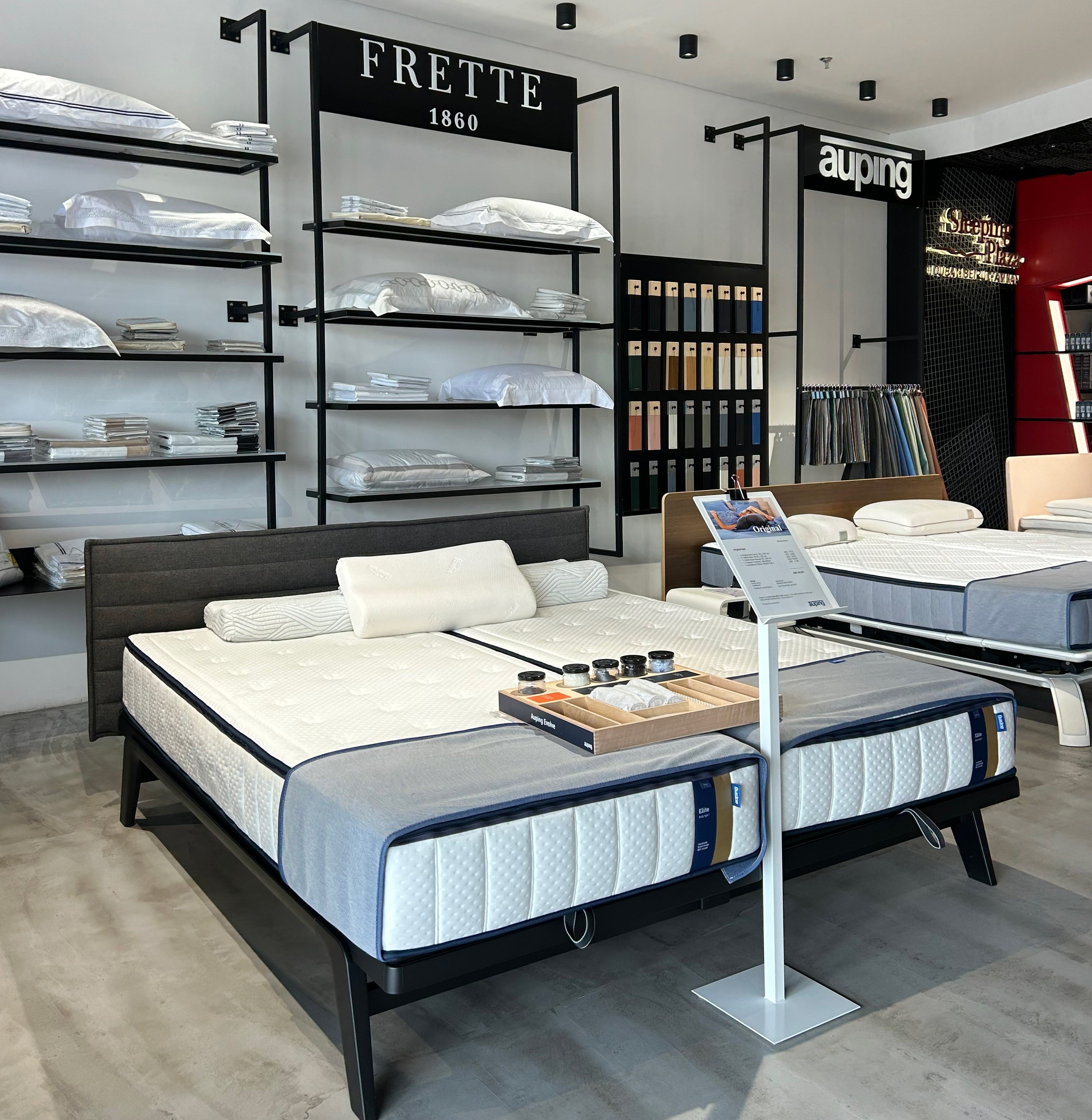
For shoppers building a complete bedroom, this is where expert curation matters. Sleeping Plaza brings together distinguished bedding, sleep, and bedroom collections in a way that helps each layer make sense as part of a whole, rather than as a series of disconnected purchases.
The finest beds are not styled by excess. They are built layer by layer, with an eye for material, proportion, and comfort. When each piece earns its place, the bed feels effortless to use and exceptional to come home to.