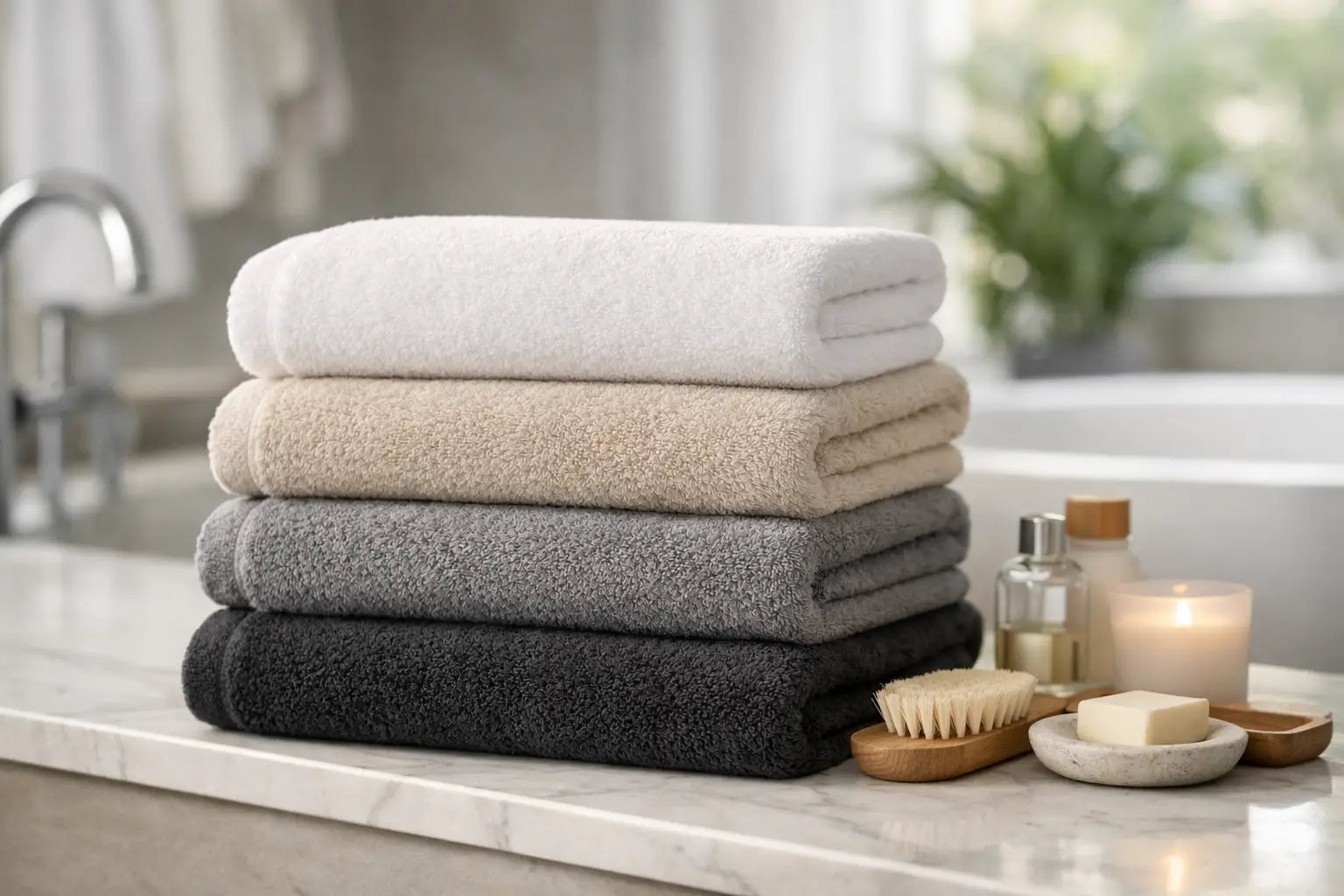
12 European Bedding Brands Worth Knowing
A beautifully made bed changes more than the look of a room. It changes how the room feels at night, how it welcomes you at the end of a long day, and how confidently it holds up over time. That is why european bedding brands continue to attract discerning shoppers - not simply for prestige, but for their command of fabric, finish, and bedroom elegance.
For buyers investing in a premium sleep space, the appeal is rarely about thread count alone. It is about the full expression of quality: long-staple cotton that softens without losing structure, linen with a relaxed drape that still feels tailored, embroidery that adds detail without visual noise, and a level of craftsmanship that turns bedding into part of the design story. European makers have long excelled here, particularly those with roots in Italy, Portugal, France, and the Netherlands, where textile heritage and refined home culture remain central to the category.
Why european bedding brands stand apart
The difference usually begins with material selection, but it does not end there. The best european bedding brands tend to approach bedding as both a comfort product and a decorative one. That dual focus matters. Sheets and duvet covers need to feel exceptional against the skin, yet they also need to sit elegantly within the architecture of the bedroom.
This is where heritage becomes more than a marketing phrase. In many established European houses, weaving, finishing, and tailoring are treated as disciplines rather than production steps. You can often see it in the restraint of the design. Instead of chasing novelty, these brands tend to refine classics: crisp percale, luminous sateen, garment-washed linen, tonal jacquards, and quietly structured borders that read as sophisticated rather than busy.
There is also a practical advantage. Premium European bedding is often made with greater attention to longevity. Better fibers, more consistent finishing, and stronger construction can produce bedding that launders well and keeps its character. The initial investment is higher, but for many households, that cost makes sense when the bed is used every night and remains central to the room's comfort and appearance.
What to look for when comparing european bedding brands
Not every luxury label offers the same experience. Some are best known for hotel-style crispness, others for decorative richness, and others for understated modernity. The right choice depends on how you want the bed to feel and how you want the room to read.
If you prefer a tailored, fresh finish, percale is often the better direction. It feels cooler, lighter, and more architectural on the bed. If softness and a subtle sheen matter more, sateen usually delivers a richer hand feel with a more fluid drape. Linen sits in a different category altogether. It offers texture, breathability, and an easy elegance that works especially well in layered, design-led bedrooms.
Construction details deserve equal attention. Look at flange finishes, embroidery placement, closure styles, and how the fabric behaves visually. In luxury bedding, restraint often signals confidence. A plain white duvet cover made from extraordinary cotton can feel more elevated than a heavily embellished set with less refined fabric.
Brand heritage can help narrow the field, but it should not be the only factor. A storied name matters, especially if it reflects genuine craftsmanship, yet the real question is whether the bedding suits your lifestyle. If your room is formal and polished, a more structured sateen or embroidered collection may feel appropriate. If you want the bedroom to feel calm, airy, and modern, washed cottons and linen may be more compelling.
European bedding brands with strong luxury appeal
Among the names that consistently resonate in premium bedrooms, Frette stands out for obvious reasons. The brand carries deep recognition in luxury hospitality and upscale residential spaces alike, and its bedding is often chosen for its polished finish, refined detailing, and unmistakably elevated presence. It appeals to shoppers who want bedding that feels classic, indulgent, and unmistakably high end.
Amalia offers a different kind of luxury, one that leans into softness, delicacy, and artisanal refinement. With Portuguese roots and a reputation for elegant finishing, it is well suited to interiors where comfort and grace matter as much as statement value. Its collections often feel intimate rather than imposing, which can be especially appealing in private bedrooms designed around calm rather than spectacle.
Dea is another name that speaks to decorative sophistication. Italian bedding brands often excel at balancing textile quality with ornamental detail, and Dea fits that tradition well. It can be a strong choice for buyers who appreciate embroidery, tailored embellishment, and a more dressed bed that still maintains a refined, controlled look.
Auping enters the conversation from a broader sleep perspective. Better known for complete sleep systems, the brand still reflects a distinctly European design mindset, one where simplicity, function, and comfort work together. For shoppers building a cohesive bedroom rather than buying bedding in isolation, that wider design language has real value.
These brands are not interchangeable, and that is precisely the point. The European luxury bedding landscape is compelling because it offers distinct expressions of comfort. Some collections are crisp and architectural. Others are soft and romantic. Others still are rooted in quiet modernism. A well-curated retailer helps make those differences easier to understand.
How to choose european bedding brands for your bedroom style
The most successful bedding selection starts with the room, not the product page. In a contemporary bedroom with clean lines and restrained materials, heavily decorative bedding can feel out of step. Here, smooth sateen, tonal borders, and muted palettes tend to perform better. White, ivory, stone, and soft gray remain enduring choices because they let texture and tailoring do the work.
In more classic interiors, there is greater room for ornament. Embroidered edges, jacquard elements, and layered shams can add richness without overwhelming the space. The key is proportion. Luxury bedding should complement the bed and surrounding furniture, not compete with them.
There is also the matter of climate and sleep preference. Hot sleepers may gravitate toward percale or linen for breathability. Those who enjoy a slightly more enveloping feel often prefer sateen. If your home relies heavily on air conditioning, linen can still work beautifully, but some may prefer the smoother hand feel of cotton for a more polished year-round setup.
For many buyers, the best route is to combine textures. A crisp cotton sheet set can sit beneath a linen duvet cover, or a smooth sateen base can be topped with a quilted coverlet for visual depth. This layered approach creates a bed that feels considered rather than flat, while also making seasonal adjustments easier.
The case for buying from a curated luxury retailer
When shopping premium bedding, abundance is not always an advantage. Too many options without context can make the category harder to navigate, especially when several luxury brands share similar language around cotton quality, craftsmanship, and softness.
A curated retailer earns its place by narrowing the field intelligently. That means presenting brands with a clear point of view, helping customers understand distinctions in fabric, design, and finish, and offering the kind of cross-category expertise that matters when the bed is part of a larger sleep environment. Bedding does not exist separately from the mattress, pillows, topper, or room aesthetic. It is part of a system.
This is where a premium destination such as Sleeping Plaza feels especially relevant. For customers furnishing an elevated bedroom, the value lies not only in access to recognized international names, but in the confidence that those names have been selected to work within a luxury standard. That kind of curation saves time, reduces guesswork, and often leads to a more cohesive result.
When premium bedding is worth the investment
Not every shopper needs heirloom-level bedding, and not every room requires the most decorative collection available. But premium bedding becomes easier to justify when you consider frequency of use and the role it plays in the home. Few household purchases are experienced as often, as closely, or as personally.
The value becomes even clearer when luxury bedding aligns with both comfort and design goals. If the fabric feels better night after night, launders with grace, and gives the room a more complete and intentional finish, it is doing more than one job. It is supporting sleep while elevating the entire environment.
That is ultimately why european bedding brands remain so relevant in premium interiors. They offer more than softness. They bring heritage, design intelligence, and a sense of permanence to the bedroom. Choose well, and the bed stops feeling like a routine necessity. It starts to feel like one of the finest pieces in the home.
If you are refining your bedroom rather than simply replacing linens, start with bedding that has a point of view. The right set will not need to shout to transform the room.