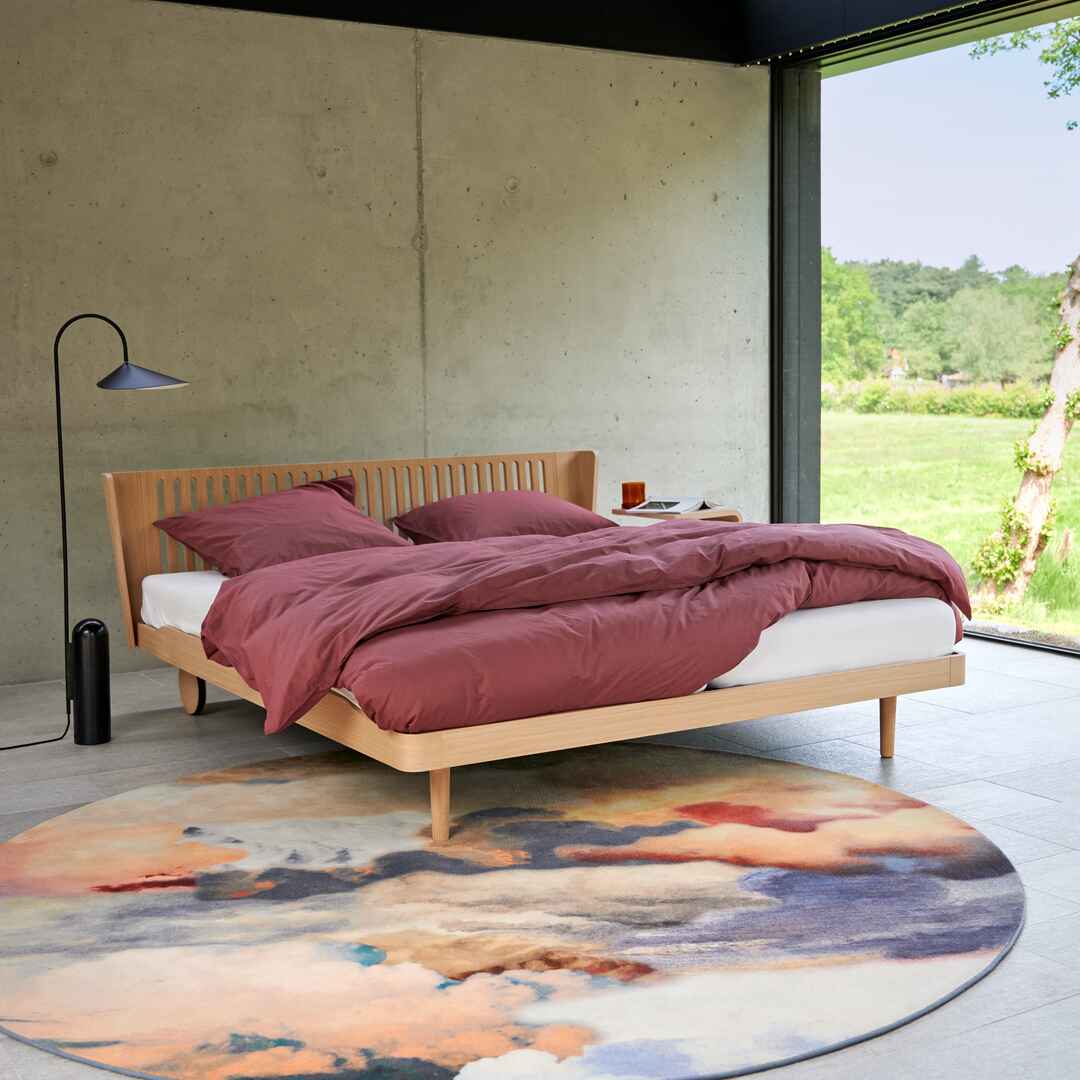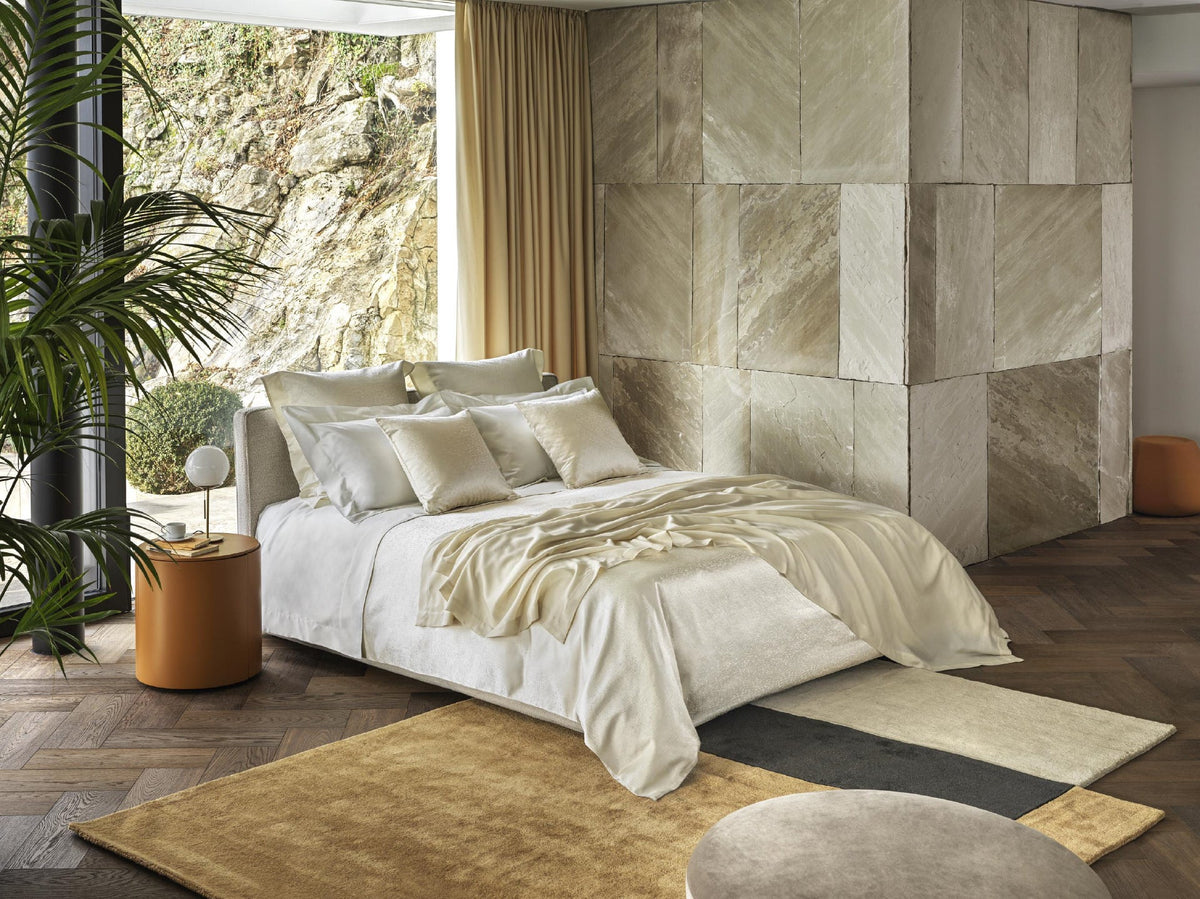
Best Luxury Bedding for Winter at Home
A winter bed should never feel like a compromise between warmth and refinement. The best luxury bedding for winter creates an enveloping, beautifully composed sleep environment: breathable against the skin, insulating where it matters, and considered enough to look as inviting at midday as it feels at midnight.
For a truly elevated result, think in layers rather than simply choosing the heaviest duvet available. Fine materials regulate temperature more elegantly than bulk alone, while exceptional construction helps every layer retain its loft, softness, and tailored appearance season after season.
Best Luxury Bedding for Winter Starts With Layers
A luxury winter bed has a rhythm to it. The fitted sheet and duvet cover create the immediate tactile experience. The duvet provides the central warmth. A blanket or coverlet adds flexibility, while decorative layers lend visual depth and make the bed feel finished.
This approach is especially valuable in homes where bedroom temperatures change throughout the night. Rather than relying on one overly warm comforter, a layered arrangement lets you adjust easily. Fold a cashmere-blend throw at the foot of the bed, add a lightweight quilt between sheet and duvet, or choose a medium-weight duvet with a substantial cover for adaptable comfort.
The goal is not to pile on fabric indiscriminately. Each layer should have a purpose: softness, insulation, texture, or visual balance. This is how a bedroom achieves the composed, hotel-inspired presence associated with exceptional interiors.
Begin With Exceptional Sheets
Winter sheets should feel inviting from the first touch, yet remain breathable enough for uninterrupted sleep. Long-staple cotton remains a distinguished choice because it offers smoothness, durability, and a polished finish. A sateen weave is particularly suited to the season, with a gently luminous surface and a silkier hand that feels warmer than crisp percale.
For those who prefer a more relaxed look, fine cotton flannel brings a soft, brushed finish without sacrificing quality. The difference lies in the fiber and finishing. Premium flannel should feel dense and comforting, not heavy, rough, or prone to excessive pilling. It is an excellent choice for a guest room, mountain home, or anyone who enjoys a cocooning winter bed.
Linen can also work beautifully in winter when selected in a more substantial weight and paired with a lofty duvet. Its natural texture brings a quietly tailored quality to the bedroom, and it becomes softer with use. It may not offer the immediately warm touch of flannel or sateen, but it excels for sleepers who run warm and prefer an effortlessly layered aesthetic.
Look beyond thread count alone. Fiber length, weave, finishing, and the integrity of the stitching influence how bedding feels and lasts. Collections from heritage-focused houses such as Frette, Dea, and Amalia are valued not merely for their appearance, but for the craftsmanship evident in the hand feel and finish of the fabric.
Choose a Duvet Cover That Enhances the Fill
The duvet cover is often treated as decoration, but it contributes meaningfully to winter comfort. A finely woven cotton sateen cover creates a smooth, sumptuous outer layer around a down duvet, while flannel provides added warmth and a more relaxed seasonal expression.
Consider scale as well. An oversized duvet and cover create a generous drape along the sides of the mattress, reducing drafts and giving the bed a more luxurious silhouette. For a tailored look, the cover should fit the insert with enough room for loft, but not so much excess fabric that the filling shifts and gathers.
Select the Right Duvet, Not Simply the Warmest One
The duvet is the core of a winter sleep system, and its ideal warmth depends on the sleeper, local climate, and bedroom temperature. High-quality down is prized for its ability to trap air efficiently, creating warmth with remarkable lightness. It should feel lofty and cloudlike rather than dense or weighted.
Fill power is useful because it indicates the volume and loft of the down, but it is not the only measure of performance. The quantity of fill, the construction of the duvet, and the quality of the shell all matter. A well-designed baffle-box construction helps keep fill evenly distributed, preventing cold spots and allowing the duvet to retain a consistent, inviting loft.
A warm duvet is often appropriate for cool bedrooms and those who prefer a deeply insulated sleep environment. Yet it can be excessive in centrally heated homes or for partners with different temperature preferences. In those cases, a medium-warmth down duvet paired with a blanket or quilt offers more control. Premium bedding should adapt to your life, rather than ask you to adapt to it.
For guests or bedrooms with fluctuating temperatures, consider a modular approach. Two lighter duvets can be used independently or combined during colder periods. This provides a considered solution without storing one oversized winter duvet for most of the year.
Add a Blanket or Coverlet for Flexible Warmth
A blanket is one of the most useful, and most overlooked, winter layers. Placed between the top sheet and duvet, it adds insulation while retaining the airy character of a fine down insert. Folded across the lower third of the bed, it offers a polished visual transition and a convenient extra layer on cold nights.
Cashmere, merino wool, and finely woven cotton are all compelling choices, though they create different experiences. Cashmere is exceptionally soft and indulgent, ideal for a throw or accent layer. Merino wool offers natural temperature regulation and resilience, making it practical as well as elegant. Cotton blankets are versatile and easy to incorporate beneath a duvet, particularly in climates with milder winters.
A coverlet or matelassé quilt adds dimension without making the bed feel overly formal. It can be used alone in the shoulder seasons, then layered beneath a duvet in winter. Choose a design with subtle texture, refined stitching, or a tonal pattern so the bed retains visual interest even when the room is styled in a restrained palette.
Finish the Bed With Thoughtful Texture
Winter is the season to introduce richness through touch. A velvet cushion, a wool throw, or a textured European sham can make a neutral bed feel more inviting without disrupting its calm. The key is restraint. One or two tactile materials, balanced with smooth percale or sateen, create contrast and depth.
Start with a foundation in ivory, soft white, stone, or warm gray, then introduce winter tones through accents. Deep forest, cocoa, charcoal, muted navy, and warm taupe sit naturally within a luxury bedroom. If the room already has strong architectural details or patterned upholstery, choose bedding with simpler embroidery or a quiet border rather than adding competing motifs.
Pillows also deserve attention. A combination of supportive sleeping pillows and tailored decorative shams creates a generous, considered bedscape. Do not overfill the bed to the point that it becomes impractical. Luxury should feel effortless, especially at the end of a long day.
Care Protects the Investment
The most beautiful winter bedding performs best when it is cared for with the same consideration that went into its design. Rotate duvets and blankets regularly, air down bedding when possible, and follow fabric-specific laundering guidance. Fine linens benefit from gentle washing and should not be overwhelmed with harsh detergents or excessive heat.
A duvet cover is also a practical layer of protection, extending the life of the insert while allowing the appearance of the bed to change with the season. Keep an alternate set of sheets and covers on hand so the bedroom remains composed even on laundry day.
At Sleeping Plaza, the luxury bedroom is considered as a complete sleep setting, from the support beneath you to the linens that welcome you each evening. Choose layers with distinction, favor materials that feel exceptional against the skin, and let your winter bed become the place you look forward to most when the temperature falls.