Premium Sleep Upgrade Case Study for Better Rest
A beautiful bedroom can still fall short at 2:00 a.m. if the mattress is overly firm, the pillow collapses beneath the neck, or the bedding traps warmth. This premium sleep upgrade case study follows a common luxury-home scenario: a couple with a carefully designed primary suite, a high-quality bed frame, and sleep that no longer feels equal to the room around it.
The goal was not to fill the room with more products. It was to create a considered sleep system where support, temperature comfort, texture, and visual restraint work together. That distinction matters. A premium bedroom is not defined by a single expensive mattress or a decorative duvet cover. It is shaped by the way each layer performs, night after night.
The Brief: Better Sleep Without Sacrificing Design
The homeowners wanted to preserve the tailored look of their upholstered king bed and their calm, neutral palette. Their concerns were familiar: one partner woke with lower-back stiffness, the other tended to sleep warm, and both felt their existing bedding had become flat and uninviting. They also wanted the bed to look impeccably finished during the day without requiring a complicated routine.
The first step was to separate the issues rather than assume one purchase would solve all of them. Back discomfort can relate to mattress support, but it may also be affected by a pillow with the wrong loft. Heat can come from foam, a protector, a heavy fill, or simply an overly warm duvet. A luxury upgrade earns its place when the selection is precise.
Premium Sleep Upgrade Case Study: Building the System
Start with the mattress, not the marketing
The existing mattress had softened unevenly through years of use. Instead of choosing by brand reputation alone, the couple assessed sleep position, body proportions, pressure sensitivity, and how much motion they noticed when the other person moved. Because one partner slept primarily on their side and the other shifted between back and side sleeping, the ideal feel was supportive with measured pressure relief rather than dramatically plush.
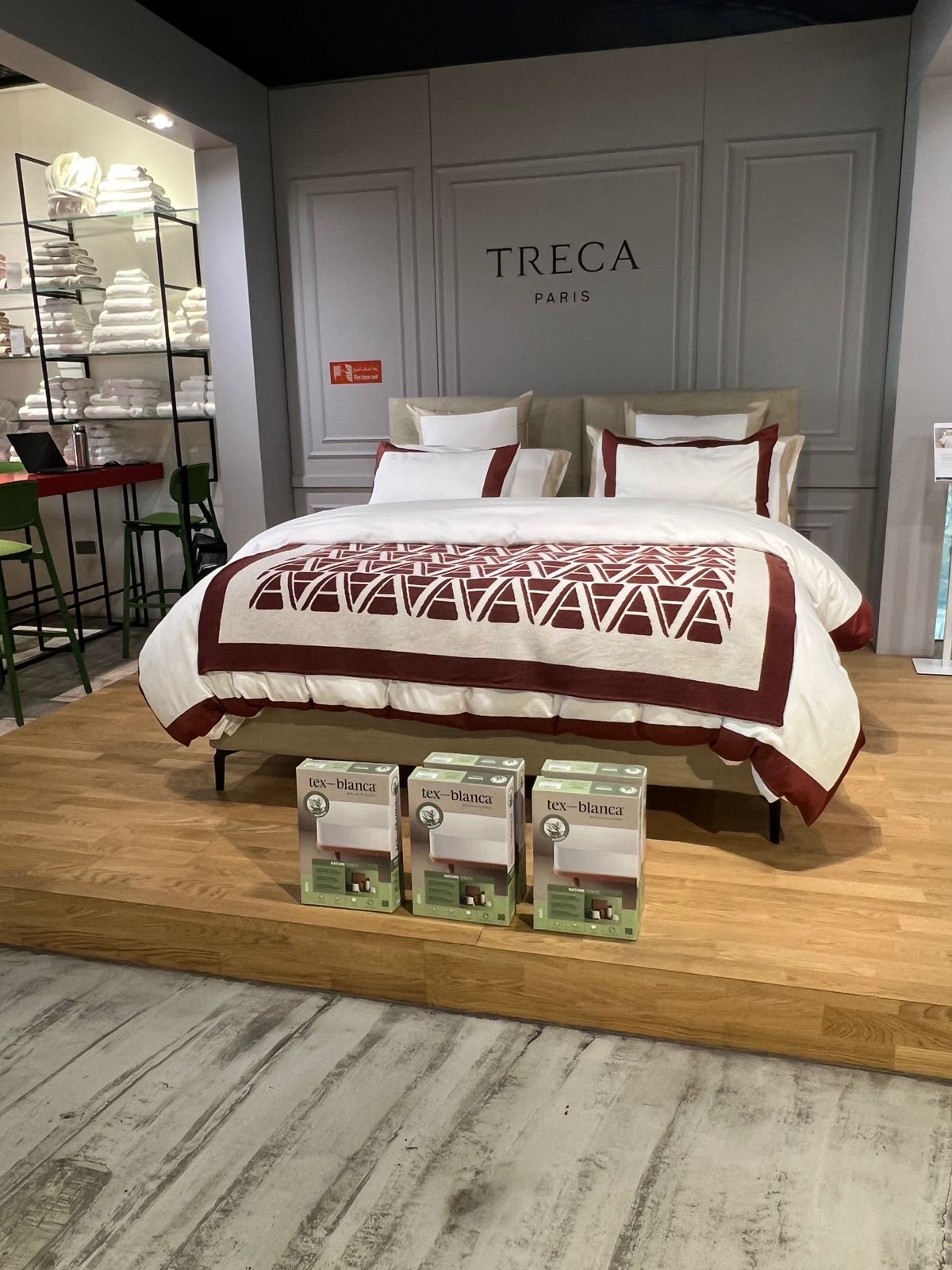
A premium pocket-spring mattress with refined comfort layers became the foundation. This type of construction can offer responsive support and better ease of movement than a deeply enveloping surface, which suited the couple's different sleeping styles. A model from a heritage maker such as Treca or Auping can be especially compelling for shoppers who appreciate disciplined construction, premium upholstery, and long-term comfort rather than a novelty feel.
There is a trade-off. A firmer, more responsive mattress may feel less immediately cloud-like in a showroom than a very soft design. Yet for sleepers who change positions or need stable support through the hips and lower back, the more balanced option often proves more satisfying over time. The right decision comes from how the mattress supports the body in a relaxed sleeping position, not from a brief first impression.
Use a topper to refine the feel, not correct a poor foundation
The couple still wanted a touch more surface softness. Rather than moving to a less supportive mattress, they added a premium topper selected for breathability and pressure distribution. This preserved the mattress's underlying support while introducing a more cushioned first contact.
A topper is valuable when the mattress is fundamentally right but needs fine-tuning. It is not a permanent answer for a sagging or unsuitable mattress. In this case, the topper created a more generous feel for shoulders and hips while making it simpler to adjust the bed seasonally. For homes in warmer climates, choosing breathable materials and avoiding excessive loft can help prevent the bed from feeling insulated.
Treat pillows as personal equipment
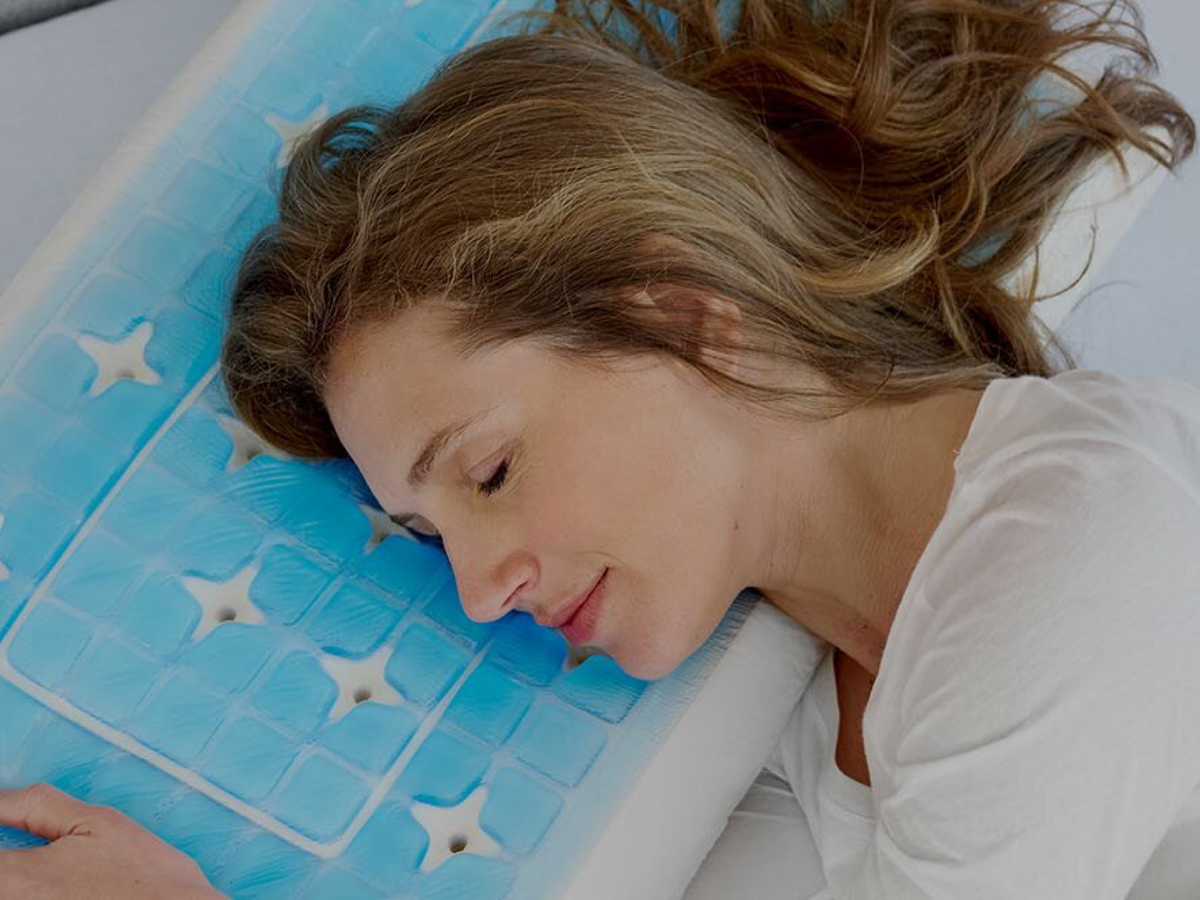
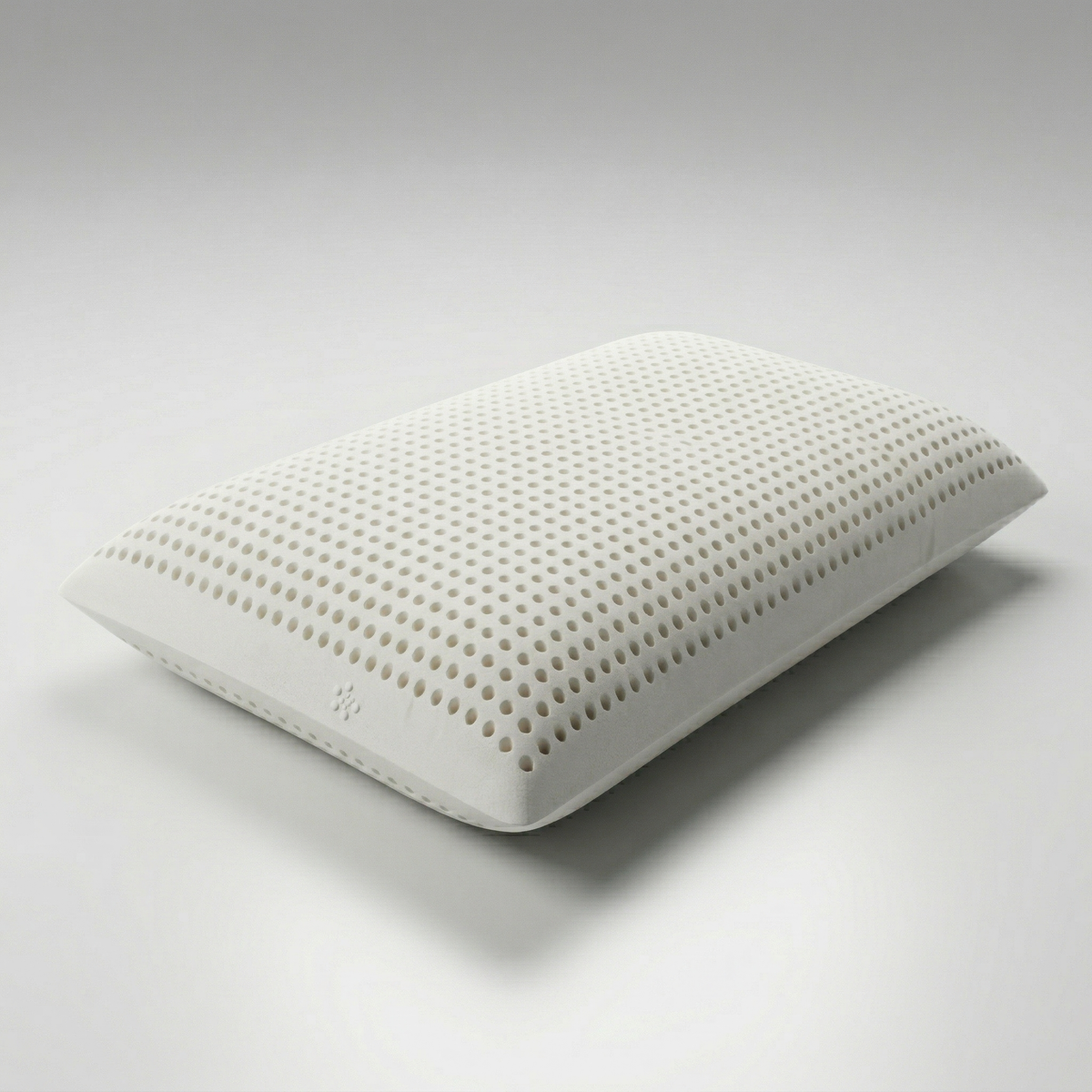
Pillows were the most individualized part of the upgrade. The side sleeper required a higher, more structured pillow to keep the head and neck aligned with the spine. The combination sleeper preferred a medium loft that could accommodate movement without forcing the neck forward.
This is where premium fillings and thoughtful construction make a visible difference. A well-made down pillow offers softness and moldability, while a down-alternative or technical fill may provide a more consistent shape and easier care. Brinkhaus is recognized for elevated bedding craftsmanship, and its approach to fill, fabric, and finishing reflects why a pillow should be chosen with the same care as a mattress.
The practical test is simple: lying in a natural sleep position, the head should not tilt sharply up or sink down toward the mattress. A beautiful pillow that looks substantial on a styled bed may still be wrong for the person using it. In a shared bed, matching pillowcases can create visual harmony while the pillows beneath remain entirely personal.
The Bedding Layer That Changed the Room
Once the support system was resolved, the bedding could do what it should: regulate comfort and create an inviting, composed finish. The couple replaced a heavy synthetic comforter with a lighter, breathable duvet insert and selected a cover with a crisp hand and understated texture. The aim was an elegant bed that felt fresh rather than precious.
Fine bedding begins with fiber quality, but weave and finish shape the experience just as much. Percale tends to feel cool, clean, and lightly structured. Sateen has a smoother, more luminous surface and can feel warmer against the skin. Neither is inherently superior. The best choice depends on personal temperature preferences, the bedroom climate, and the atmosphere the room is meant to convey.
For this project, a matte percale base was paired with a softer decorative layer at the foot of the bed. The effect was layered but controlled: white and warm ivory sheets, a tailored duvet, and a textured coverlet that introduced depth without adding visual noise. Italian houses such as Frette and Dea are particularly suited to this approach, where fabric quality and finishing details give a room presence without relying on loud color or pattern.
The couple also added two sets of sheets rather than building an oversized linen closet. This allowed one set to be in use while the other was washed, preserving the feel and appearance of the fabric through regular rotation. Premium bedding is designed to be lived with. Proper laundering, gentle detergent, and avoiding excessive heat will protect fibers far better than saving the set for guests.
Why the Upgrade Worked
The most meaningful result was not a dramatic before-and-after claim. It was the removal of small nightly compromises. The side sleeper had more room at the shoulder. The combination sleeper felt supported without being restricted. Both found it easier to maintain a comfortable temperature, and the bed looked finished with minimal effort each morning.
That outcome came from coordinating layers rather than buying the most elaborate version of every category. The mattress supplied stable support. The topper adjusted the surface feel. Individual pillows addressed different sleep needs. Breathable bedding completed the experience and gave the suite its polished visual character.
For shoppers considering a similar investment, the lesson is to prioritize what cannot be disguised. Mattress comfort and pillow alignment should come before decorative extras. Once those foundations are right, exceptional linens, a refined throw, and beautifully selected bed accents can elevate the room with confidence. Sleeping Plaza approaches the bedroom as this complete environment, bringing technical sleep comfort and design-led finishing into one considered selection.
A More Considered Way to Upgrade
A premium sleep upgrade does not have to happen all at once. If the mattress remains supportive, begin with the pillow and bedding layers that affect comfort immediately. If the mattress has reached the end of its useful life, make it the central investment and choose the rest of the system around its height, feel, and temperature profile.
The most rewarding bedrooms do not announce every decision. They simply feel composed: the bed supports you properly, the linens invite you in, and the room restores its sense of order at the beginning and end of each day. Start with the layer that interrupts your sleep most often, then let every next choice serve both comfort and the quiet luxury of the room.