When to Replace Bed Pillows: 7 Signs It’s Time
A beautifully dressed bed can still fall short of true comfort if the pillow beneath your head has lost its structure. Knowing when to replace bed pillows is less about following a rigid calendar and more about recognizing the quiet changes that affect your sleep: a flattened loft, a stiff neck at dawn, or a pillow that no longer feels fresh, even after laundering.
For a considered bedroom, pillows deserve the same attention as a quality mattress, refined linens, and a well-designed bed frame. They are not merely finishing touches. The right pillow supports the head, neck, and shoulders night after night, helping create the deeply restorative rest that makes a luxury sleep space worthwhile.
When to Replace Bed Pillows: Look Beyond the Calendar
Most bed pillows should be replaced every one to two years, but that range is only a starting point. A pillow’s useful life depends on its fill, construction, use, care routine, and the sleeper’s needs. A guest-room pillow used a few weekends each year may retain its performance for far longer than the pillow you sleep on every night.
Premium materials can offer greater resilience and comfort, but they are not exempt from wear. Down and feather fillings can gradually lose loft; memory foam may soften, crack, or take on permanent impressions; and fiber fills often compress as the individual fibers break down. Even an exquisitely made pillow eventually reaches a point where it can no longer provide proper support.
The more useful question is not simply, “How old is this pillow?” It is, “Does it still hold my body in a comfortable, aligned position through the night?” If the answer is no, replacement is a practical investment in better rest.
7 Signs Your Pillow Has Reached the End of Its Life
1. It no longer returns to its original shape
A pillow should recover after you rise in the morning. If yours remains visibly compressed, lumpy, or uneven after fluffing, its fill or core has likely deteriorated. This is especially noticeable with synthetic fills, though all materials can lose their resilience over time.
A pillow that has become too flat may leave the neck unsupported, while one that has developed hard clumps can create pressure points. Neither offers the balanced, composed feel associated with quality sleep.
2. You wake with neck, shoulder, or upper-back discomfort
Morning discomfort has many potential causes, including mattress support, sleep position, and daytime posture. Still, a tired pillow is often an overlooked contributor. When it no longer keeps the head level with the spine, the muscles in the neck and shoulders may compensate through the night.
Side sleepers often notice this first because they need enough height to fill the space between the shoulder and head. Back sleepers usually need a gentler contour, while stomach sleepers tend to require a very low-loft option. If your usual pillow suddenly feels wrong for your position, it may be worn out rather than simply unfamiliar.
3. You fold, stack, or bunch it to get comfortable
Frequently folding a pillow in half, placing a second pillow beneath it, or bunching the fill under your neck is a clear sign that its original design is no longer working. These temporary adjustments can make a pillow feel more supportive for a few minutes, but they rarely maintain healthy alignment for an entire night.
A replacement pillow selected for your sleep position is a more elegant solution than continually trying to revive a pillow that has lost its intended shape.
4. It has persistent stains or odors
Pillow protectors and washable covers help preserve freshness, but pillows absorb perspiration, body oils, skincare products, and airborne particles over time. Yellowing is common and does not automatically mean a pillow is unusable. However, stains or odors that remain after proper cleaning suggest that the interior has accumulated more than a surface wash can address.
For those with allergies, this matters even more. Replacing an aged pillow can reduce exposure to the dust and allergens that settle into fill and fabric during regular use.
5. The fill feels lumpy, brittle, or uneven
Run your hands across the pillow and pay attention to the interior. Down clusters should feel light and mobile; fiber fill should feel reasonably even; foam should feel intact and supportive. Hard pockets, empty areas, crumbling foam, or a noticeable shift in fill distribution all indicate that the pillow’s comfort architecture has changed.
A quality pillow need not feel identical on every square inch, particularly if it is designed with chambers or contouring. The concern is a new unevenness that disrupts support.
6. Your sleep needs have changed
Weight fluctuations, pregnancy, shoulder injuries, changes in sleep position, and a new mattress can all alter the kind of pillow that feels best. A pillow may still be in good physical condition yet no longer suit your current needs.
This is one of the most overlooked reasons to replace a pillow. A firmer mattress, for example, can change how deeply your shoulder settles into the bed, which may mean a side sleeper needs a different loft. Comfort is personal, and the best pillow is one that works with your body and your mattress as a complete sleep system.
7. You cannot remember when you bought it
If the pillow’s age is a mystery, inspect it closely. In many homes, pillows remain in service long after their support has faded because their decline is gradual. A pillow that has been used nightly for several years is usually due for replacement, even if it still looks acceptable under a decorative sham.
Expected Lifespan by Pillow Material
Material influences longevity, but care and construction remain decisive. Polyester and other synthetic-fill pillows commonly need replacement after one to two years because they compress relatively quickly. Down alternative designs can vary widely, with higher-quality fills generally retaining loft longer than inexpensive versions.
Natural down and feather pillows may last two to three years or more when they are well constructed, regularly fluffed, protected, and cleaned according to the care label. Their advantage is their supple, adjustable feel; their trade-off is that some sleepers prefer more consistent structure than a traditional down pillow provides.
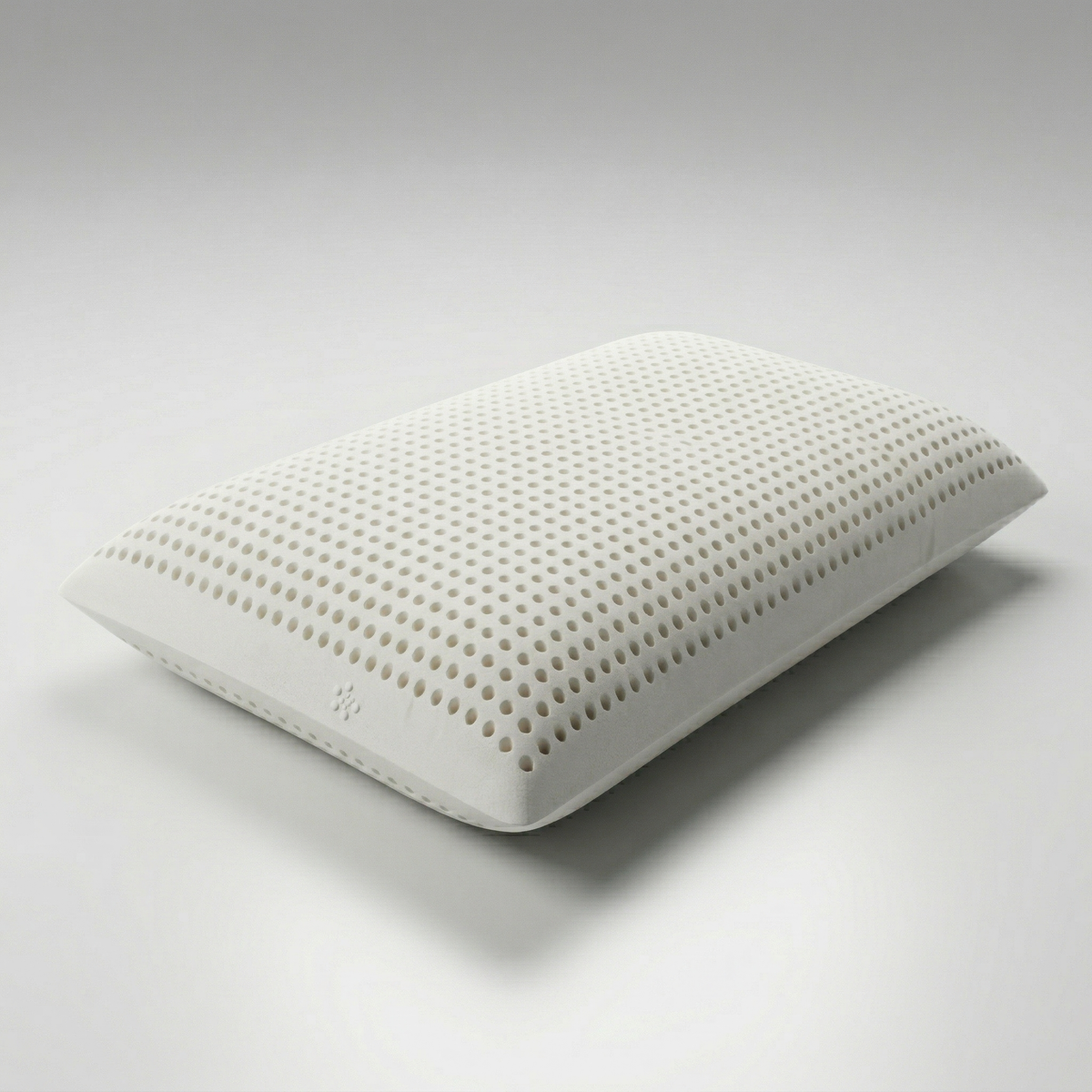
Latex pillows often offer strong resilience and can last three to four years, sometimes longer. They tend to suit sleepers who appreciate buoyant support and natural spring. Foam pillows can also provide excellent contouring, but their lifespan depends on density, ventilation, and whether the material maintains its shape without softening excessively.
These timelines are guides, not guarantees. A pillow that remains clean, supportive, and comfortable should not be discarded simply because it has reached a suggested age. Conversely, a pillow showing clear signs of failure should be replaced before the calendar says it is due.
Care That Helps a Fine Pillow Last
A zippered pillow protector is one of the simplest ways to preserve a premium pillow. It adds a barrier between the pillow and the moisture, oils, and particles that accumulate over time, while your pillowcase continues to provide the finished look and soft hand feel.
Wash pillowcases regularly and follow the manufacturer’s instructions for the pillow itself. Some down and fiber pillows can be washed, while many foam and latex styles should only be spot-cleaned. Overwashing, harsh detergents, and high heat can damage fill, compromise foam, or shorten the life of delicate fabrics.
Fluffing also matters. Down, feather, and certain fiber pillows benefit from regular redistribution of their fill. Foam and latex should not be aggressively compressed, but they benefit from airing out in a clean, dry space. Never assume that a pillow is washable or dryer-safe without consulting its care label.
Selecting a Replacement That Feels Considered
Replacing an old pillow is an opportunity to refine your sleep environment rather than make a hurried purchase. Start with your preferred sleep position, then consider your mattress firmness, shoulder width, temperature preferences, and whether you enjoy a plush, enveloping sensation or a more precise level of support.
Side sleepers often benefit from medium-high to high loft. Back sleepers frequently prefer medium loft with gentle neck support. Stomach sleepers generally do best with a soft, low-profile pillow, or in some cases no pillow beneath the head. Combination sleepers may appreciate an adaptable fill or a responsive material that accommodates movement without losing shape.
The outer fabric and finishing details matter, too. Breathable cotton covers, refined piping, and carefully engineered chambers contribute to the experience of using a pillow, not just its appearance on the bed. At Sleeping Plaza, a thoughtfully curated pillow can complement both the performance of your mattress and the visual calm of a beautifully layered bedroom.
Your pillow should disappear into the experience of falling asleep: no constant rearranging, no strained neck, no lingering sense that something is slightly off. When that effortless comfort is gone, replacing it is one of the most immediate ways to make every night feel more considered.