كيفية غسل مناشف الحمام بشكل صحيح للحفاظ على نعومتها لفترة طويلة
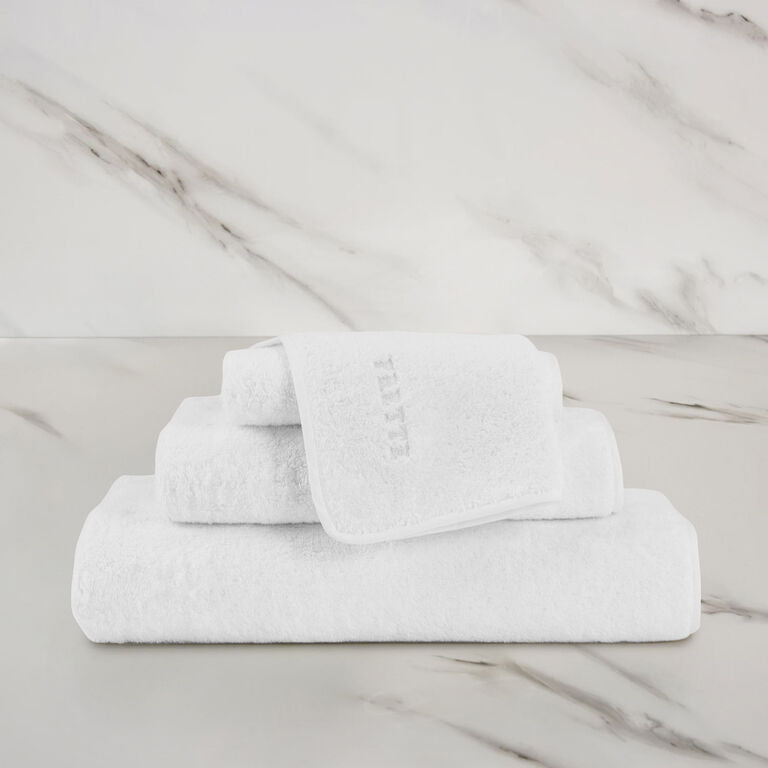
يُعرَّف الحمام المجهز بشكل جميل من خلال اللمس بقدر ما يُعرَّف من خلال التصميم. فوز منشفة الاستحمام، ونعومة منشفة اليد، والملمس النظيف والمنعش لمنشفة الوجه، كلها تشكّل الطقوس اليومية. إن معرفة كيفية غسل بياضات الحمام بشكل صحيح تحمي تلك التجربة، وتحافظ على القدرة على الامتصاص، والكثافة، والملمس الراقي الذي يميّز المناشف الاستثنائية عن العادية.
صُممت بياضات الحمام الفاخرة لتُستخدم كثيرًا، لا لتُحفظ في الخزائن للمناسبات الخاصة. ومع ذلك، فإن الاستخدام المتكرر يعرّض الألياف الطبيعية لزيوت الجسم، وبقايا منتجات العناية بالبشرة، والرواسب المعدنية، وفائض المنظفات. روتين الغسيل الصحيح يمنع تلك العناصر من التأثير على ملمس القماش أو الحد من كفاءته.
ابدأ بالألياف وملصق العناية
قبل فرز الغسيل، تحقق من ملصق العناية. قد تُنسج بياضات الحمام الفاخرة من قطن طويل التيلة، أو قطن مصري، أو قطن تركي، أو مزيج الكتان والقطن، أو نسيج خاص ذي ملمس بارز. لكل مادة طبيعتها الخاصة، لكن معظم المناشف الفاخرة تستفيد من نفس النهج المعتدل: درجات حرارة معتدلة، منظف لطيف، مساحة كافية في الغسالة، وتجفيف متحفظ.
يمكن لمنشفة قطنية كثيفة ووبرية أن تتحمل الغسيل المنتظم، لكن لا ينبغي معاملتها كملابس رياضية أو منسوجات منزلية متسخة بشدة. قد تتطلب مناشف "الوافل" الخفيفة ومزيج الكتان دورة غسيل أكثر رقة للحفاظ على ملمسها المميز. إذا كانت المنشفة تحتوي على حواف مطرزة، أو زخارف، أو ألوان متباينة، فتوخَّ الحذر الإضافي فيما يخص درجة حرارة الماء والفرز.
يجب غسل المناشف الجديدة قبل استخدامها لأول مرة. فهذا يزيل معالجات الإنتاج ويساعد الألياف على الانفتاح، مما يحسّن الامتصاص. بعض التساقط الأولي للألياف أمر طبيعي في القطن عالي الجودة، خاصة في أنواع النسيج الوبري الكثيف، وعادة ما يتلاشى بعد الغسلات الأولى.
كيفية غسل بياضات الحمام بشكل صحيح، خطوة بخطوة
الروتين الأكثر فعالية هو روتين بسيط. اغسل بياضات الحمام بعد ثلاثة إلى أربعة استخدامات للمنشفة الشخصية، وبشكل أسرع إذا ظلت رطبة لفترة طويلة أو استُخدمت بعد التمرين. عادة ما تحتاج مناشف اليد إلى غسيل متكرر لأنها مشتركة وتُستخدم على مدار اليوم.
الفرز حسب اللون والوزن والنسيج
اغسل المناشف البيضاء بشكل منفصل عن بياضات الحمام الملونة أو المصبوغة بألوان غنية. حتى المنسوجات ثابتة اللون يمكنها إطلاق أثر من الصبغة بمرور الوقت، والمناشف الفاتحة تستحق النقاء الذي توفره الغسلة المنفصلة. أبقِ بياضات الحمام بعيدة عن الملابس المزودة بسحّابات، أو خطّافات، أو أزرار، أو الجينز الخشن، فقد تتسبب في سحب الخيوط وخدش السطح.
من الحكمة أيضًا غسل المناشف مع بعضها البعض. فبنيتها الأثقل والأكثر امتصاصًا تتطلب ماءً وحركة أكثر من الملابس الخفيفة. الغسيل المختلط قد يترك المناشف مشطوفة بشكل سيئ بينما يعرّض الملابس الرقيقة لاحتكاك غير ضروري.
استخدم الماء الدافئ ومنظفاً لطيفاً
عادة ما يكون الماء الدافئ هو الخيار الأفضل لبياضات الحمام القطنية. فهو ينظف بفعالية دون التأثير القاسي الذي يمكن أن يحدثه الغسيل المتكرر بالماء الساخن على اللون والألياف. استخدم الماء الساخن فقط عندما يسمح ملصق العناية بذلك، وعند الحاجة الماسة لغسيل تعقيم شامل، كما هو الحال بعد المرض.
اختر منظفًا سائلًا أو بودرة عالي الجودة خاليًا من المبيضات المفرطة أو عوامل التبييض أو الملينات المضافة. كثرة المنظف لا تعني مناشف أنظف. في الواقع، زيادة الجرعة هي أحد أكثر الأسباب شيوعًا لتصلب المناشف، أو ضعف امتصاصها، أو انبعاث رائحة خفيفة منها. تستقر البقايا بين الألياف، مما يمنعها من الجفاف والانتفاش كما ينبغي.
استخدم الكمية الموصى بها لجهازك ولدرجة عسر المياه، ثم قللها قليلًا إذا كانت المناشف تخرج مرارًا بملمس شمعي أو ثقيل. بالنسبة لمناشف الاستحمام الكبيرة والوبرية، تجنب تكديس الغسالة. تحتاج المناشف إلى مساحة للحركة حتى يتمكن الماء من الشطف عبر الألياف تمامًا.
تجنب منعم الأقمشة
يخلق منعم الأقمشة إحساسًا ناعمًا وممتعًا في البداية، لكنه قد يضر بالخصائص التي تجعل بياضات الحمام فاخرة. معظم التركيبات تغلف الألياف، مما يقلل من الامتصاص ويجذب المزيد من البقايا مع كل غسلة. أوراق التجفيف قد يكون لها تأثير مماثل.
إذا شعرت بخشونة في المناشف، فالسبب غالبًا هو تراكم المواد وليس نقص المنعم. الشطف المناسب، والجرعة الصحيحة من المنظف، والتجفيف الواعي ستعيد النعومة الحقيقية. للتنظيف الدوري، أضف كمية صغيرة من الخل الأبيض المقطر إلى حجرة الشطف، بشرط أن يسمح بذلك ملصق العناية وتعليمات الغسالة. يمكن للخل أن يساعد في إزالة تراكمات المنظف والمعادن، لكنه ليس ضروريًا في كل غسلة ولا يجب خلطه أبدًا مع المبيض.
عالج البقع بدقة
مستحضرات التجميل، والسمرة الذاتية، وصبغات الشعر، وزيوت العناية بالبشرة تستحق الاهتمام قبل بدء الغسيل. عالج المنطقة المتضررة بمزيل بقع لطيف مناسب للون المنشفة ونوع أليافها، واتركه حسب تعليمات المنتج. تجنب الفرك القوي الذي قد يسطّح الحلقات الوبرية أو يتلفها.
بالنسبة للمناشف القطنية البيضاء، يعتبر المبيض القائم على الأكسجين خيارًا مدروسًا أكثر من مبيض الكلور. قد يضعف الكلور الألياف مع الاستخدام المتكرر ويمكن أن يسبب اصفرارًا بمرور الوقت، خاصة في المناطق ذات المياه الغنية بالمعادن. احتفظ به للحالات المسموح بها في ملصق العناية حيث يكون التعقيم ضروريًا.
التجفيف دون التضحية بالنعومة
التجفيف هو المرحلة التي تكتسب فيها بياضات الحمام الكثير من ملمسها الجذاب أو تفقده. هز كل منشفة قبل وضعها في المجفف. هذه الخطوة البسيطة تساعد على فصل الألياف وتقلل من التجعد. استخدم التجفيف الآلي على حرارة منخفضة إلى متوسطة بدلًا من الحرارة العالية، التي قد تجعل القطن هشًا وتقصر تدريجيًا من عمر القماش.
أخرج المناشف وهي جافة تمامًا ولكن ليست "مخبوزة". التجفيف الزائد هو مصدر خفي للخشونة، خاصة في الأنسجة الوبرية الكثيفة. إذا كان مجففك يحتوي على مستشعر رطوبة، فاستخدمه. نظف فلتر الوبر قبل كل حمولة حتى يدور الهواء بشكل صحيح ويظل التجفيف فعالًا.
التجفيف بالهواء يوفر بديلًا للحرارة المنخفضة، خاصة لمزيج الكتان أو القطع ذات النسيج الرقيق. المقايضة هنا هي أن القطن المجفف على حبل الغسيل قد يكون أقسى من المجفف آليًا. الطريقة المتوازنة تعمل بشكل رائع: جفف بالهواء حتى يقترب من الجفاف، ثم أنهِ العملية بدورة تجفيف قصيرة ومنخفضة الحرارة لتنعيم الألياف.
تجنب تجفيف بياضات الحمام فوق المدفأة لفترات طويلة. الحرارة المركزة قد تجعل المناشف قاسية، بينما التجفيف غير الكامل قد يشجع على ظهور رائحة كريهة. أيًا كانت الطريقة التي تختارها، تأكد من أن كل قطعة جافة تمامًا قبل طيها.
استعادة حيوية المناشف الثقيلة أو ضعيفة الامتصاص
حتى المناشف المصنوعة بإتقان يمكن أن تفقد ملمسها الحيوي بمرور الوقت، خاصة في المنازل ذات المياه العسرة أو حيث استُخدم الكثير من المنظف. قبل استبدالها، امنحها غسلة استعادة الحيوية. اغسل المناشف بدون منعم أقمشة، واستخدم منظفًا أقل من المعتاد، وأضف الخل الأبيض المقطر إلى دورة الشطف إذا كان ذلك متوافقًا مع تعليمات العناية.
إذا استمرت المشكلة، استخدم منتج غسيل مصمم لإزالة التراكمات المعدنية من الألياف الطبيعية. هذا مفيد بشكل خاص عندما تبدو المناشف نظيفة ولكنها تبدو كثيفة، خشنة، أو بطيئة في امتصاص الماء. لا تعتمد على علاجات التنظيف العميق المتكررة؛ فالروتين اليومي المتسق ألطف وأكثر فعالية من الغسيل المكثف المتكرر.
تستحق الخيوط المسحوبة اهتمامًا دقيقًا أيضًا. لا تشد أبدًا الحلقة الوبرية المرتخية، لأن ذلك قد يؤدي إلى سحب خيط طويل. بدلاً من ذلك، قص الحلقة بعناية باستخدام مقص حاد. لن يؤثر ذلك على بنية المنشفة وسيحافظ على مظهر السطح أنيقًا.
تخزين بياضات الحمام بعناية
اطوِ المناشف فقط بعد أن تبرد وتجف تمامًا. المناشف الدافئة التي توضع مباشرة في خزانة مغلقة يمكن أن تحتفظ برطوبة متبقية، مما يخلق رائحة لا يمكن لأي معطر إخفاءها. اختر خزانة بياضات جافة وجيدة التهوية وتجنب تكديس الأرفف بشكل ضيق جدًا.
قم بتدوير مجموعتك بحيث تحصل كل مجموعة على وقت للراحة بين الاستخدامات. هذا لا يمنح حمامك مظهرًا مدروسًا ومستوحى من الفنادق فحسب، بل يحد أيضًا من الغسيل المستمر لنفس القطع القليلة. بالنسبة لـ مناشف الضيوف وبياضات الحمام للمناسبات الخاصة، احفظها بعيدًا عن أشعة الشمس المباشرة لحماية بياضها الساطع وألوانها الغنية.
بياضات الحمام الاستثنائية تكافئ العناية المدروسة. بضع خيارات محسوبة في غرفة الغسيل تحافظ على النعومة، والامتصاص، والملمس الأنيق الذي يجعل الاستحمام اليومي يبدو كلحظة استثنائية في المنزل.