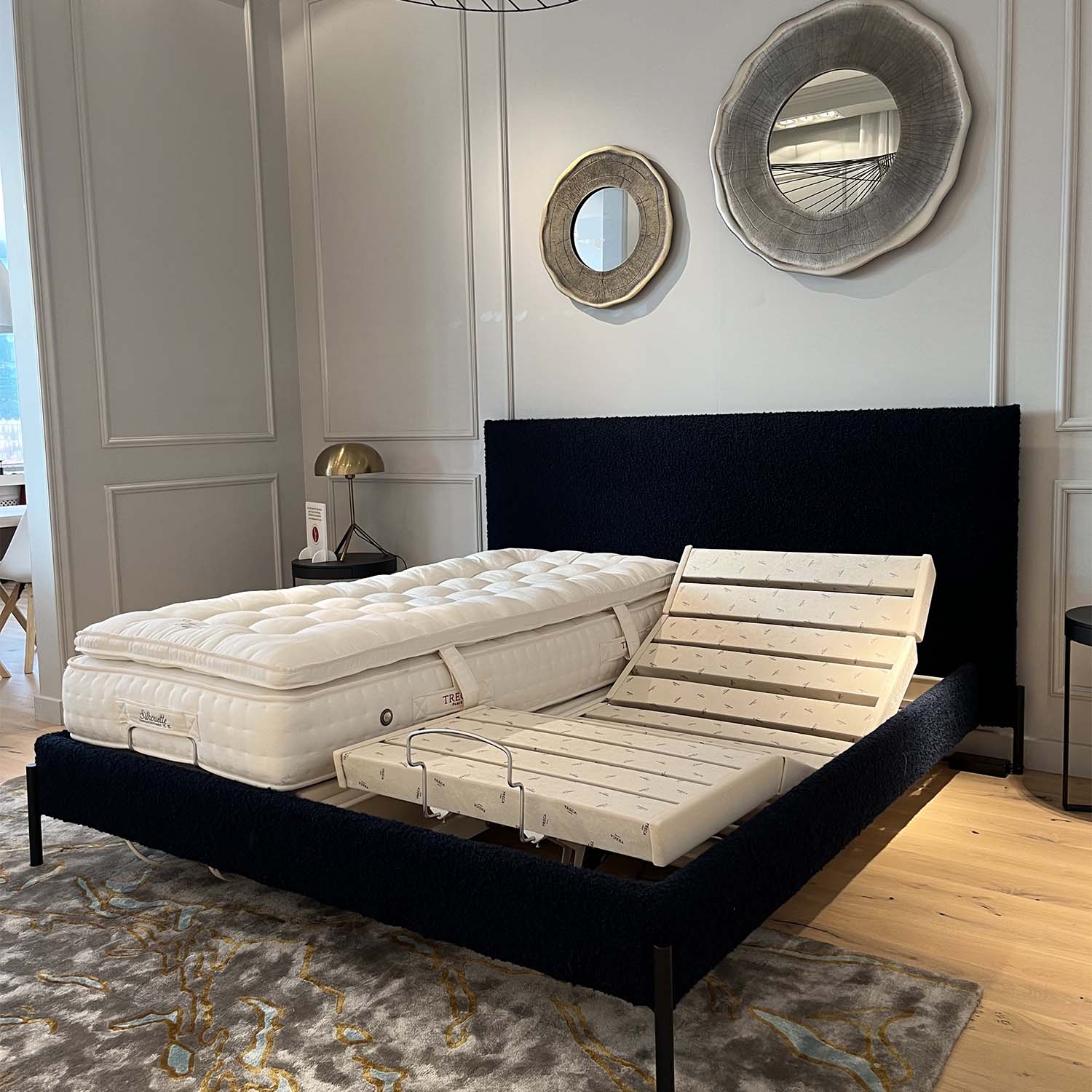
A Premium Mattress Topper Review for Better Sleep
A mattress can be beautifully made, expertly supportive, and still feel slightly too firm at the shoulders or hips. That is where a thoughtfully chosen topper earns its place. This premium mattress topper review considers what distinguishes a luxury layer from a short-lived comfort fix, and how to select one that elevates the feel of an already quality mattress.
For discerning bedrooms, a topper should not be treated as an afterthought. It changes the surface you feel every night, influences temperature and pressure relief, and can bring a more tailored finish to a sleep system. The finest options combine considered materials with careful construction, creating comfort that feels indulgent without compromising the support underneath.
What Defines a Premium Mattress Topper?
A premium topper is not simply thicker foam in a more elegant cover. Its value lies in material quality, performance over time, and how precisely it complements the mattress below. The goal is refinement: a softer initial feel, more responsive pressure relief, or a cooler sleep surface, while preserving the mattress's essential character.
Exceptional toppers are usually made with high-quality natural fibers, advanced gel-infused materials, resilient latex, or sophisticated foam formulations. Each has a distinct personality. Down and feather blends offer a cloudlike, hotel-inspired finish. Latex delivers buoyant comfort with a quicker response. Technical gel designs can contour closely while helping manage heat. Wool and cotton layers bring breathable, naturally luxurious cushioning.
Construction matters as much as the fill. A well-finished topper should distribute its materials evenly, resist shifting, and retain a composed appearance after regular use. Details such as tailored quilting, substantial cover fabrics, corner straps, and removable washable covers are practical signs that luxury has been designed for daily living rather than occasional display.
Premium Mattress Topper Review: Materials and Feel
The best material depends on what your mattress lacks, not on a universal definition of comfort. A sleeper who finds a supportive mattress too assertive needs a different topper than someone looking to reduce heat or create a more polished, plush surface.
Natural down and feather
A down or featherbed topper is the natural choice for those who love the enveloping feel of a fine hotel bed. It adds loft and softness rather than deep contouring, making it especially appealing over a mattress that already provides good ergonomic support.
The trade-off is maintenance. Natural fill benefits from regular fluffing and may compress more than latex or performance foam. Look for well-structured chamber construction, which helps preserve an even profile and prevents the sensation of the fill gathering at the edges. For a guest room or a bedroom styled around layered linens and exquisite comfort, it remains one of the most inviting options.
Latex
Latex offers a more energized kind of luxury. It has a gentle spring-back, so it cushions pressure points without the slow, enveloping sensation associated with some foams. This makes it an excellent consideration for combination sleepers who change position through the night.
Quality latex is also prized for breathability and long-term resilience. It suits sleepers who want added comfort but do not want to feel as though they are sinking into the bed. Its natural density can make it weightier to handle, and its feel is more buoyant than traditionally plush, so it is not the first choice for someone seeking a featherbed-like finish.
Gel and advanced foam designs
Technical foam and gel toppers are often chosen for their close contouring and targeted pressure relief. They can be particularly effective for side sleepers, whose shoulders and hips benefit from a surface that accommodates rather than resists the body's contours.
Not all foam feels alike. Higher-quality options recover more consistently, maintain shape more gracefully, and often include ventilation or cooling technologies to reduce the heat retention associated with older foam designs. Density, thickness, and cover construction all affect the final result. A very deep topper can create extraordinary softness, but it may also make a responsive mattress feel less stable for some sleepers.
Wool, cotton, and fiber blends
For buyers drawn to natural comfort and a fresher sleep surface, wool and cotton toppers offer quiet sophistication. Wool is valued for temperature regulation across seasons, while cotton contributes a crisp, breathable hand. Fine fiber blends can recreate some of the loft of down while offering a different care profile.
These toppers tend to provide a more subtle adjustment than foam or latex. They are ideal when the mattress is fundamentally comfortable and needs only a more sumptuous, breathable top layer. Their appeal is as much sensory as technical: the lightly cushioned finish, the quality of the fabric, and the feeling of sleeping in an exceptionally well-appointed bed.
Loft, Density, and Support Should Work Together
Thickness is easy to compare, but it is not a measure of quality on its own. A three-inch topper can feel remarkably supportive or overly soft depending on its material and density. Likewise, a lower-profile natural topper may transform the surface feel while making only a modest change to underlying support.
For side sleepers, more pressure relief around the shoulders and hips is often welcome. A medium-thick latex or advanced foam topper may offer the right balance, particularly over a firmer mattress. Back sleepers usually benefit from a more restrained profile that cushions the lumbar area without allowing the pelvis to settle too deeply. Stomach sleepers often need the least added loft, since excessive softness can disrupt alignment.
Body weight also influences the decision. A lighter sleeper may find a medium topper pleasantly plush, while a heavier sleeper may compress that same topper quickly and prefer a denser, more resilient construction. This is why the finest sleep consultations begin with the existing mattress, preferred sleep position, and individual comfort expectations rather than a single bestseller.
Fit and Finish Matter in a Luxury Bedroom
A topper should enhance the bed visually as well as physically. An ill-fitting layer that bunches beneath the sheets can undermine even the most beautiful mattress and linen ensemble. Measure the mattress carefully, including its depth, and consider how the topper will sit beneath fitted sheets.
Corner straps can be useful for keeping a topper aligned, especially on adjustable bases or for active sleepers. A fitted skirt provides a more tailored presentation, though it should accommodate the full mattress depth. Cover fabrics deserve attention too. Breathable cotton, refined quilting, and thoughtfully placed closures make a difference in both comfort and care.
The topper will also affect your bedding proportions. A generously lofted layer may call for deeper-pocket fitted sheets and can make a bed look more lavishly dressed. For a composed, layered bedroom, that additional height can be a design advantage, particularly when paired with fine linens, a substantial duvet, and pillows selected for the same sleep profile.
When a Topper Is the Right Investment
A premium topper is an intelligent investment when a mattress is still structurally sound but no longer feels perfectly calibrated to your preferences. It can soften a firmer surface, renew the comfort of a guest bed, moderate the feel of a shared mattress, or create a more seasonally adaptable sleep environment.
It is not the answer to a mattress with sagging, broken support, or clear structural wear. A topper may disguise those problems briefly, but it cannot restore proper alignment. In that circumstance, replacing the mattress is the more considered choice.
A topper also works best as part of a complete sleep environment. The pillow height, mattress support, bed base, and bedding temperature all contribute to the final experience. At Sleeping Plaza, this curated perspective helps turn separate purchases into a bedroom that feels coherent, considered, and deeply restorative.
How to Choose With Confidence
Begin with one honest question: what would you change about your mattress if you could adjust only its top few inches? If the answer is softness, consider natural down, fiber, or pressure-relieving foam. If you want responsive cushioning and greater resilience, latex may be the better fit. If temperature is the concern, prioritize breathable natural fibers or an advanced cooling construction.
Then consider the character of the room and the care you are willing to provide. A featherbed rewards occasional fluffing with an unmistakably sumptuous feel. A technical topper may offer simpler day-to-day consistency. Neither is universally superior. The right choice is the one that supports your body, suits your preferred sleep temperature, and belongs naturally in the way you want your bedroom to feel.
The most memorable beds do not rely on one dramatic purchase. They are built in layers, each chosen with care. A well-made topper can be the finishing layer that turns an excellent mattress into the bed you look forward to returning to every night.