Mattress Protector vs Topper: Which Do You Need?
A beautiful mattress deserves more than fine sheets. It needs the right supporting layers to preserve its materials, maintain its comfort, and make every night feel considered. When comparing a mattress protector vs topper, the distinction is simple but significant: one protects the mattress you chose, while the other changes how that mattress feels.
For a finely made sleep system, these are not interchangeable accessories. A protector is a practical investment in longevity and hygiene. A topper is a comfort layer that can refine pressure relief, cushioning, temperature feel, or the overall character of the bed. Many well-appointed bedrooms benefit from both, provided each is selected with the same care as the mattress itself.
Mattress Protector vs Topper: The Essential Difference
A mattress protector is a thin fitted layer designed to sit directly over the mattress, beneath the fitted sheet. Its primary purpose is to create a barrier against spills, perspiration, body oils, dust, and everyday wear. Quality protectors are made to be discreet, preserving the mattress's intended feel rather than noticeably changing it.
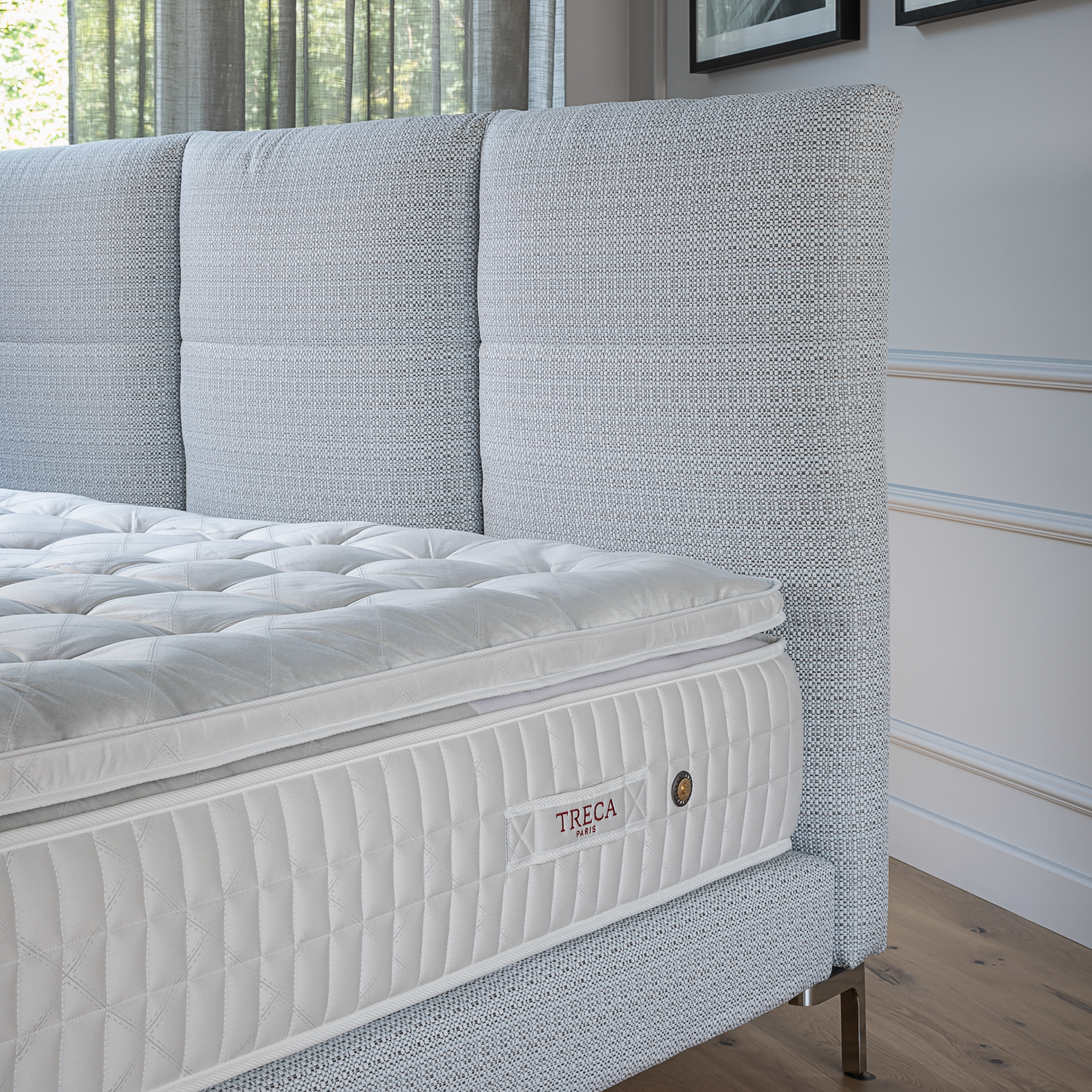
A mattress topper is a deeper removable layer that rests on top of the mattress. Usually ranging from one to several inches thick, it is intended to alter comfort. Depending on its fill and construction, a topper may add plushness, contouring support, pressure relief, or a more breathable surface.
The clearest way to decide between them is to ask two questions. Are you happy with the comfort of your mattress but concerned about protecting it? Choose a protector. Does your mattress feel firmer, flatter, or less accommodating than you would like? A topper may be the more appropriate addition.
What a Mattress Protector Does for a Luxury Bed
A premium mattress contains carefully selected comfort materials, upholstery layers, and support components. While it is built for years of restorative sleep, it is not designed to absorb the accumulated effects of daily life without protection. Moisture and oils can gradually affect the freshness and condition of surface textiles, particularly when a mattress cannot be washed.
A well-made protector helps keep these elements away from the mattress cover. This is useful in every household, not only homes with children or pets. Nighttime perspiration is natural, and even the most immaculate bedroom benefits from a washable layer that can be refreshed regularly.
The best protectors balance defense with breathability. A poorly chosen waterproof protector can feel plasticky, retain heat, or create audible movement beneath the sheets. For a luxury sleep environment, seek a refined textile finish, secure fitted construction, and breathable moisture protection that does not compromise the bed's hand feel.
A protector can also make mattress care more manageable. Instead of addressing a spot directly on an upholstered mattress surface, you can remove and launder the protector according to its care instructions. That practical advantage helps preserve the polished appearance of the entire bed over time.
When a Protector Is the Right Choice
Choose a mattress protector when your existing mattress already delivers the comfort and support you expect. It is particularly worthwhile for a newly purchased mattress, a guest room that should remain impeccably prepared, or a bedroom where you want to maintain a valuable investment with minimal disruption to its original design.
It is also the right choice if you enjoy the tailored feel of your mattress and do not want to soften, deepen, or change its response. A protector should be nearly invisible once the bed is dressed, allowing the craftsmanship of the mattress to remain at the center of the sleep experience.
What a Mattress Topper Changes
A topper is about personalization. Even an exceptional mattress may not feel identical for every sleeper, every season, or every stage of life. A thoughtfully selected topper gives you the opportunity to adjust surface comfort without replacing the entire mattress.
For some, that means adding a more indulgent, cloud-like finish to a supportive bed. For others, it means easing pressure around the shoulders and hips or reducing the sense of firmness in a mattress that is otherwise in excellent condition. The result can be a more tailored sleep surface, especially for couples whose preferences differ.
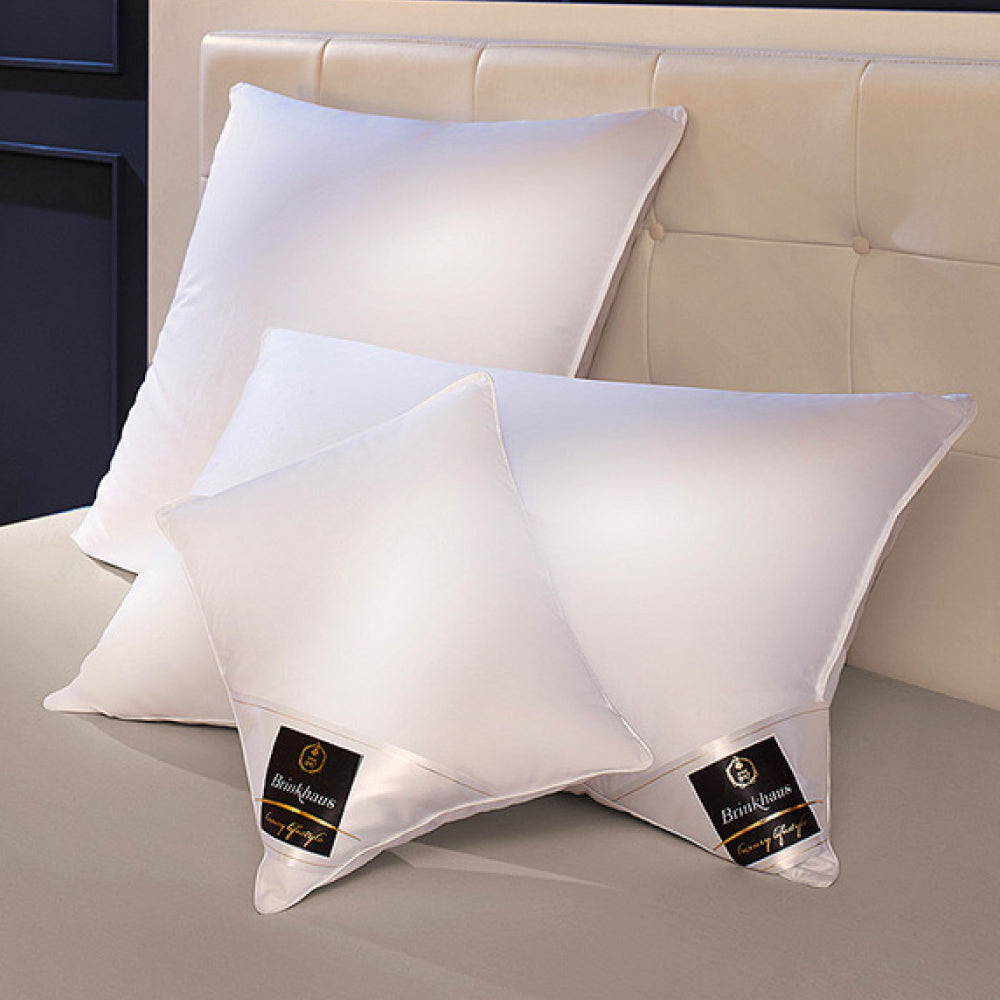
Materials matter greatly. Down and feather toppers offer a lofty, hotel-inspired softness, though they require regular fluffing and may not provide substantial pressure relief. Wool toppers bring natural temperature regulation and a softly cushioned feel. Latex offers buoyant support and resilience, while specialty foam constructions can provide more pronounced contouring.
No topper can repair a mattress that has lost structural integrity. If the mattress sags, has broken support, or no longer holds your body comfortably aligned, adding layers may only disguise the issue for a short time. In that situation, a new mattress is usually the more discerning investment.
When a Topper Is the Right Choice
A topper makes sense when the mattress foundation is still supportive, but the surface comfort is not quite right. Perhaps a mattress feels firmer than expected after the break-in period, or a change in sleeping position has made pressure relief more valuable. A topper can add refinement without requiring an immediate replacement.
It can also be a considered option for a guest bedroom. A quality topper allows you to create a more welcoming, generously cushioned bed for visitors while retaining the mattress beneath. The key is restraint: the topper should enhance the sleep system, not create a surface so deep that fitted sheets no longer sit elegantly or sleepers feel unstable when moving in bed.
Can You Use a Topper and Protector Together?
Yes. In fact, using both is often the most complete approach. Place the topper directly on the mattress, then fit a protector over the topper before adding your sheets. This arrangement keeps the topper cleaner while also protecting the mattress beneath it.
There is one consideration: depth. A thick topper plus a deep mattress may require extra-deep fitted sheets. Measure the full height of the bed before selecting linens, allowing enough pocket depth for a smooth, secure fit. Fine sheets should drape cleanly around the mattress rather than pull tightly at the corners.
If your topper has a delicate natural fill, confirm the care guidance before placing a waterproof protector over it. Some sleepers prefer a highly breathable protector for these materials to maintain their natural airflow and loft. The aim is to preserve both cleanliness and the distinctive comfort the topper was chosen to provide.
Choosing by Sleep Style and Household Needs
Your sleep preferences should guide the decision. Hot sleepers often benefit from a protector designed for airflow and moisture management, while a topper should be selected carefully to avoid unnecessary heat retention. Those who prefer a firmer, more responsive bed may appreciate the protection of a slim mattress protector without adding any cushioning at all.
For side sleepers, surface pressure relief is often a greater priority. A topper with responsive cushioning may help create a gentler cradle around the shoulder and hip, as long as the underlying mattress still supports the spine. Back and stomach sleepers should be more cautious with thick, very soft toppers, which can allow the hips to sink too deeply.
Households with pets, young children, or frequent breakfast-in-bed moments may place greater value on a protective barrier with reliable liquid resistance. For design-led bedrooms and hospitality-inspired guest spaces, the decision may be both practical and aesthetic: a topper can create a sumptuous visual profile, while a protector quietly preserves it.
Quality Details Worth Looking For
A mattress protector should fit securely without bunching, shifting, or making noise. Look for a soft upper fabric, a breathable protective layer, and elasticized sides that accommodate the full mattress depth. It should feel composed beneath premium linens, not like an afterthought.
With toppers, assess thickness, fill quality, cover construction, and how the topper is secured to the mattress. A finely made option should distribute its material evenly and retain its shape with appropriate care. Natural-fill toppers need occasional airing and fluffing, while foam or latex styles may need time to fully expand after unpacking.
Price alone is not a measure of suitability. The most luxurious choice is the one that preserves the mattress you love or delivers the exact comfort adjustment your body needs. A carefully curated sleep system is built in layers, with each element serving a clear purpose.
Before dressing the bed, lie on it for several minutes in your usual sleeping position. Notice whether you need protection, more pressure relief, better temperature balance, or simply the assurance that your mattress will remain beautifully kept. That small assessment will lead you to the layer that makes your bedroom feel more considered every night.