How to Choose a Recliner for Lasting Comfort
A recliner earns its place differently than most furniture. It is where a late evening becomes restorative, where a favorite book holds your attention longer, and where a room’s atmosphere can either feel considered or compromised. Knowing how to choose a recliner means looking beyond a soft seat and selecting a piece that supports your body, complements your interiors, and continues to feel exceptional years from now.
For a luxury home, comfort and design should not compete. The finest recliners combine thoughtful ergonomics, quiet engineering, tailored upholstery, and a silhouette with enough presence to elevate the room even when it is not in use.
Start With the Way You Intend to Use It
Before considering color or mechanism, define the recliner’s role. A chair used for a brief pause in a bedroom has different requirements from one that will become the preferred seat for reading, watching films, or recovering after a demanding workday.
Consider when and where you will use it. In a bedroom, a compact recliner with a graceful profile may create a private retreat without crowding the foot of the bed. In a living room, a larger model with an integrated footrest, adjustable headrest, and swivel base can become a dedicated comfort destination. If the chair will be used daily, prioritize support, durable upholstery, and an intuitive reclining system over purely decorative details.
It also helps to decide whether the recliner should visually recede or make a statement. A sculptural silhouette in supple leather can anchor a reading corner. A refined fabric chair in a quiet neutral can soften a room layered with rich bedding, textured rugs, and statement lighting.
How to Choose a Recliner With the Right Fit
A beautiful recliner that does not fit its user will never deliver true luxury. Dimensions on a product page are useful, but the chair should be assessed in relation to your body as carefully as you would assess a mattress.
When seated, your feet should rest comfortably on the floor before the footrest is extended. Your knees should bend naturally rather than being pushed upward by a seat that is too deep or left unsupported by one that is too shallow. The seat edge should not press into the back of your legs, especially if you tend to sit for long periods.
Pay close attention to lumbar support. The lower back should feel gently supported in an upright position, without the sensation that you must lean back to find relief. The headrest should support your head and neck when reclined, rather than forcing your chin toward your chest or leaving your head unsupported.
Seat height matters more than many buyers expect. Taller users often benefit from a higher seat and longer footrest, while a lower profile may feel more natural for shorter users or in rooms designed around low, contemporary furniture. If multiple people will use the chair, adjustable headrests and footrests offer valuable flexibility.
Test the Full Range of Motion
Do not judge a recliner only in its upright position. Sit in it for several minutes, recline gradually, extend the footrest, and notice whether the transition feels balanced. Premium mechanisms should move with control and minimal effort, without abrupt drops, audible strain, or a need to reposition yourself repeatedly.
In the fully reclined position, your body should feel evenly held from shoulders to calves. Look for pressure points at the lower back, hips, neck, and heels. A chair can feel plush at first touch but become tiring when its cushioning lacks structure. The best designs pair generous comfort with a supportive internal foundation.
Choose the Reclining Mechanism Deliberately
The mechanism determines both the recliner’s experience and its placement within the room. There is no single best choice. The right option depends on the level of adjustability you want, the available space, and the visual restraint you prefer.
A manual recliner is often appreciated for its simplicity and clean appearance. It may use a discreet side lever, a push-back action, or body-weight balance to recline. These designs can feel wonderfully immediate and may suit rooms where a visible control panel would interrupt the furniture’s lines.
Power recliners offer more precise positioning. Independent controls for the backrest, footrest, and headrest allow you to create a personalized posture, which is particularly appealing for extended reading or television viewing. Some models also include memory settings or integrated charging, although these conveniences should feel secondary to the chair’s comfort and craftsmanship.
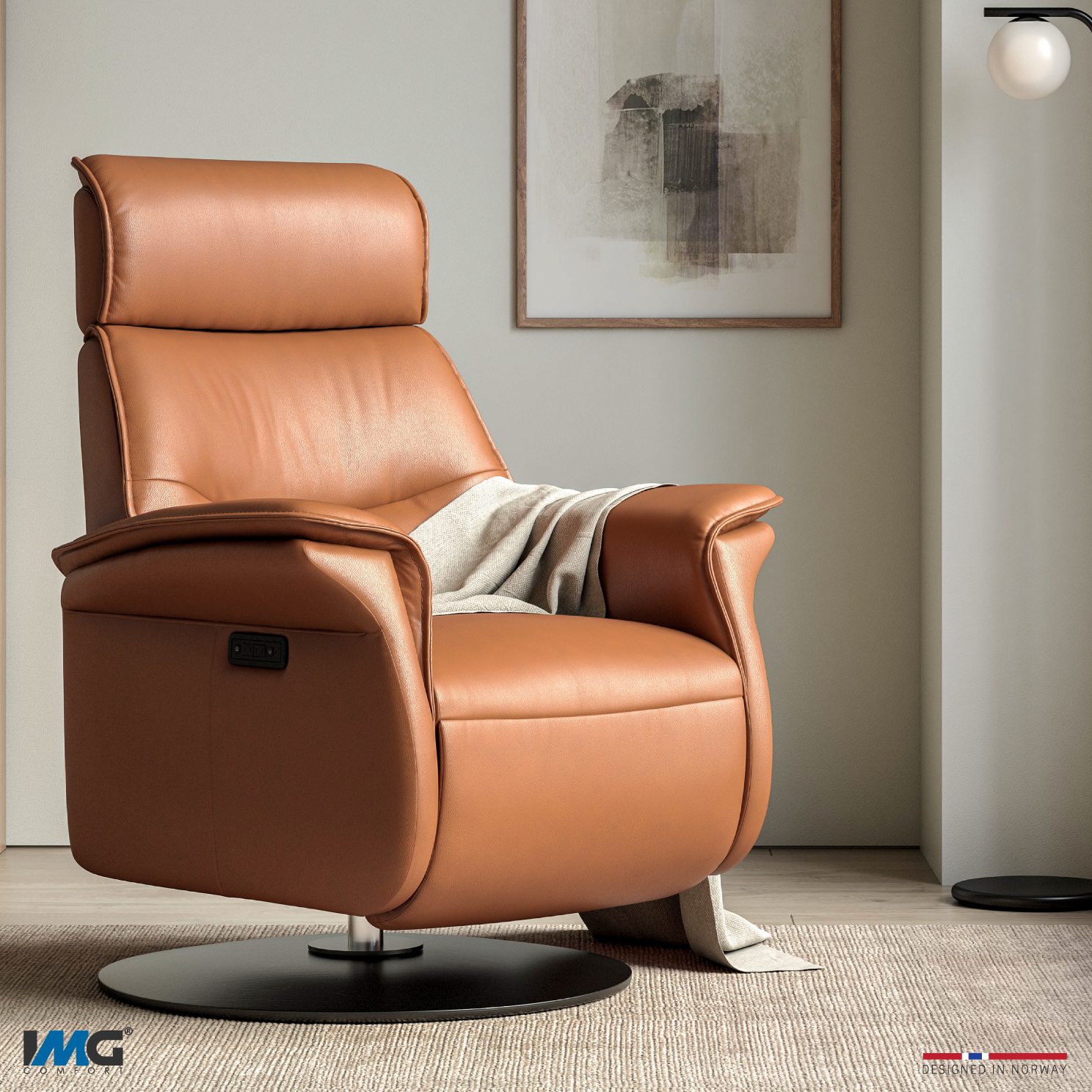
Swivel and glide functions can make a recliner more versatile in a bedroom sitting area or open-plan space. However, each additional movement introduces a practical consideration: ensure the chair feels stable at every angle and that its base suits the flooring beneath it. A substantial, well-engineered base is worth prioritizing.
Measure the Room, Not Just the Chair
A recliner needs room to perform. Measure the chair when upright and identify the clearance required behind it and in front of the footrest when fully extended. A wall-hugging design can be an elegant answer for tighter spaces, but it still needs enough room for natural circulation.
Think about sightlines as well. A tall back can be comforting, yet it may block a window, divide an open room, or overpower a low bed frame. In a more compact bedroom, a recliner with a slender arm profile and elevated base can preserve a sense of airiness. In a large suite or library, a generously proportioned chair may provide the visual weight the room needs.
Positioning affects how often the recliner is used. Near a window, it becomes a morning reading chair. Beside a bed, it can support a calmer evening routine. In a media room, it should have an unobstructed view and easy access to a side table for a drink, book, or remote.
Select Upholstery for Beauty and Real Life
Upholstery sets the emotional tone of a recliner, but it must also suit the way you live. Fine leather offers a distinctive combination of softness, durability, and visual depth. Over time, it develops character, making it an especially compelling choice for a chair intended to become a long-term favorite. Look for supple hides, consistent finishing, precise stitching, and upholstery that follows the form of the chair without excessive looseness.
Fabric provides a broader range of color and texture. Bouclé, wool blends, velvet, and finely woven textiles can bring warmth and tailored sophistication to a bedroom or lounge. Their practicality varies, however. A pale, textured fabric may look exquisite in a formal retreat but require more care in a busy household with children or pets.
When comparing finishes, ask about cleaning guidance, lightfastness, and wear performance. The most suitable material is not automatically the most delicate or the most hardwearing. It is the one that aligns with the room, your routine, and the kind of aging you find beautiful.
Look Beneath the Surface for Craftsmanship
The details that determine a recliner’s longevity are often invisible. A quality frame, resilient suspension, carefully layered cushioning, and a dependable mechanism are the foundation of enduring comfort. They also explain why a thoughtfully made recliner retains its poise after years of regular use.
Cushioning deserves particular attention. Down-rich cushions can feel exceptionally inviting but may require occasional maintenance to preserve their loft. High-resilience foam offers more consistent support and shape retention. Many premium chairs combine materials to create a softer initial feel with a stable, supportive core.
Examine the tailoring, too. Seams should be straight, piping should sit cleanly, and panels should align with intention. The recliner may be a technical piece of furniture, but its construction should still reflect the standards of a finely upholstered chair.
Let the Recliner Belong to the Interior
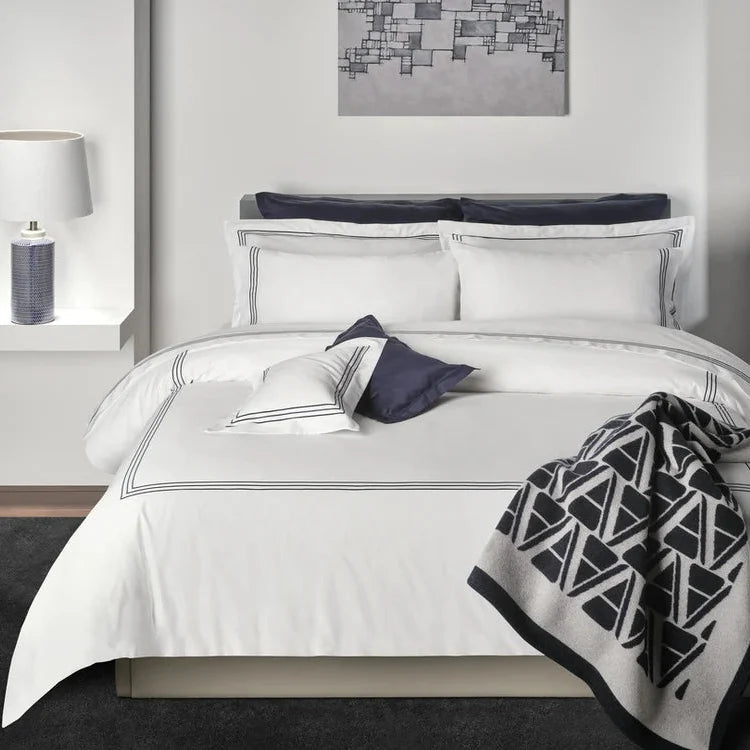
A recliner should feel like part of the room’s design language, not an afterthought introduced solely for comfort. Consider the existing palette, the shapes of nearby furniture, and the finishes that define the space. Warm leather may echo wood cabinetry or brass lighting, while a soft ivory textile can connect beautifully with layered bedding and linen drapery.
Scale is equally essential. A recliner with oversized arms and deep cushioning can be wonderfully comfortable, but it may feel out of place beside a delicate nightstand or streamlined bed. Conversely, a slim chair can look beautifully tailored but may not offer the enveloping comfort you want. The most successful choice balances its visual proportions with its intended level of relaxation.
At Sleeping Plaza, a carefully curated recliner is best considered as part of a complete comfort setting: a place where exceptional seating, refined textiles, and an inviting sleep environment share the same standard of quality.
The right recliner should invite you to use it, not merely admire it. Choose one that feels natural the moment you settle in, operates with quiet confidence, and brings a lasting sense of ease to the room you call your own.