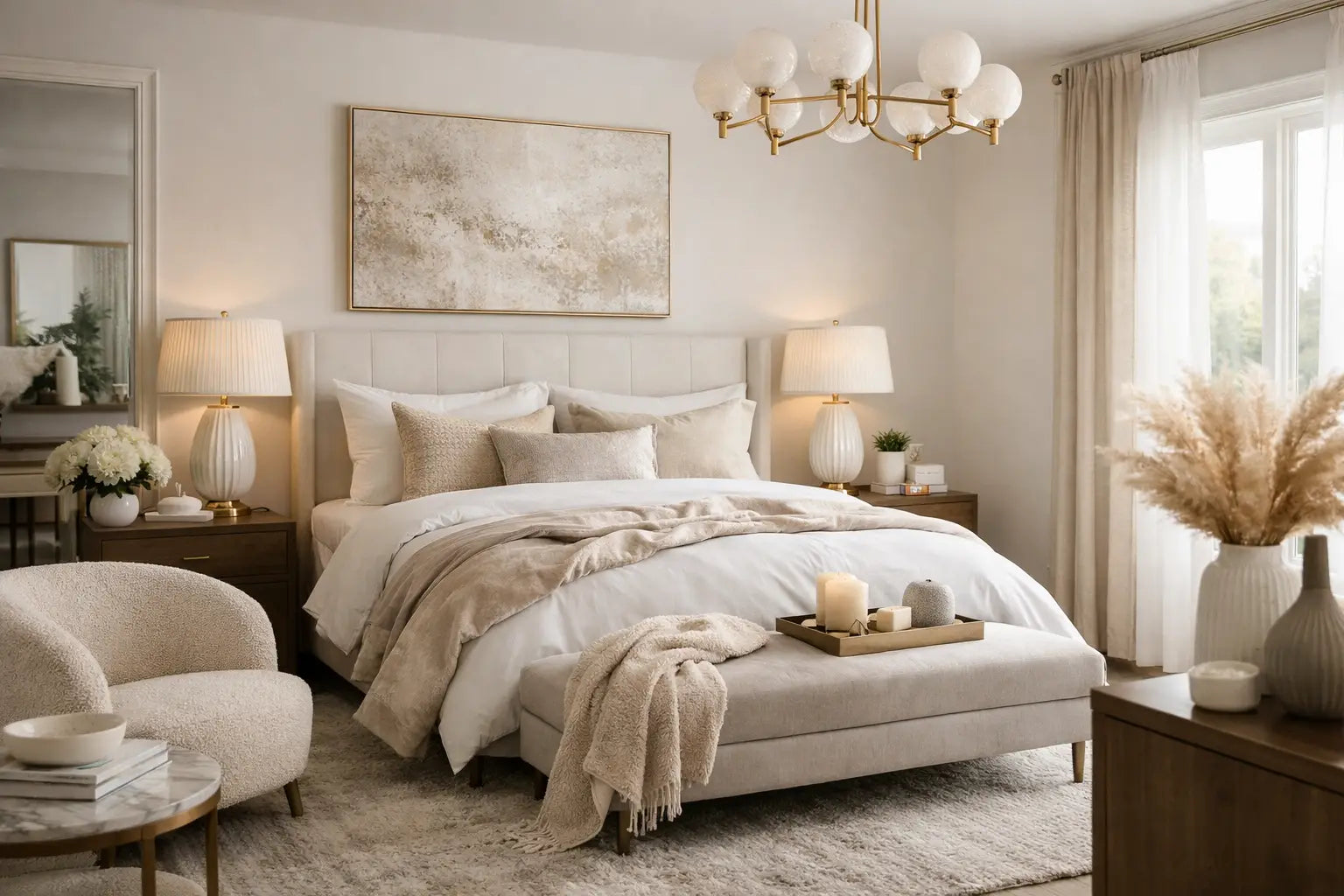
How to Build a Luxury Bedroom That Lasts
A luxury bedroom is rarely defined by one dramatic purchase. More often, it is the result of restraint, proportion, and a well-composed sleep system that feels exceptional every night. If you are asking how to build a luxury bedroom, the answer starts with what you experience first and longest - support, texture, quiet, and visual calm.
The most successful rooms do not chase trends. They balance performance with beauty, combining a well-made bed, tailored bedding, thoughtful lighting, and finishes that feel collected rather than crowded. Luxury, in this context, is not excess. It is quality you can feel, craftsmanship you can see, and comfort that holds up over time.
Start with the bed, not the decor
In a true luxury bedroom, the bed is the architectural center of the room. Everything else supports it. That means the mattress, bed base, and headboard deserve far more attention than decorative accents.
A premium mattress should match both sleep preference and body needs. Some sleepers want a more buoyant, responsive feel, while others prefer deeper contouring or a cooler sleep surface. This is where luxury becomes practical. The best choice is not the most expensive option on paper, but the one that delivers reliable support, pressure relief, and temperature comfort night after night.
The bed base matters just as much. A beautifully engineered base improves the feel and longevity of the mattress, while an upholstered frame or refined wood finish sets the visual tone. If you want the room to feel elevated immediately, invest in a substantial headboard with elegant scale. A padded headboard in a soft neutral, rich woven textile, or fine leather can give the room a tailored hospitality feel without making it look overdesigned.
Think in terms of a complete sleep system
One of the most common mistakes in bedroom design is treating each component as a separate purchase. Luxury is more convincing when the mattress, base, topper, pillows, and bedding work together. A room may look expensive, yet still fail if the bed sleeps poorly.
This is where curated retail becomes valuable. Rather than assembling a bedroom from disconnected sources, it makes sense to select brands and layers that align in both performance and aesthetic. Heritage labels such as Auping, Treca, Brinkhaus, Frette, Dea, and Amalia bring a level of craftsmanship and material confidence that changes how the room feels in daily use.
Choose materials that feel refined up close
A luxury bedroom should reward attention. The room may look serene from the doorway, but its real success is felt in the details - the hand of the fabric, the weight of the linen, the finish of the furniture, the softness of the rug underfoot.
Natural materials tend to create that effect most convincingly. Long-staple cotton, fine linen, silk blends, wool, cashmere, down, and quality wood veneers all add depth without appearing flashy. Even when the palette is understated, these materials create richness through texture.
That said, luxury is not always about choosing the most delicate option. It depends on how the room will be used. If this is your primary bedroom, easy-care performance fabrics and durable woven upholstery may be a better choice than high-maintenance materials that look pristine only in photographs. If the room is designed more like a guest retreat, you may lean further into decorative layering and lighter-use finishes.
Bedding is where luxury becomes personal
Sheets, duvets, pillows, and toppers are often the difference between a bedroom that looks polished and one that feels extraordinary. Invest here with intention.
Start with excellent sheets in a fabric that suits your sleep style. Percale feels crisp and cool, while sateen offers a smoother, more luminous finish. Linen brings relaxed elegance and airflow, though it has a more casual texture. A premium duvet paired with the right fill weight changes the quality of sleep as much as the look of the bed. Pillows should be chosen for sleeping position first, then dressed for presentation with decorative shams and cushions.
A topper can also refine the experience. For some sleepers, it adds pressure relief and a more indulgent surface feel. For others, it is unnecessary and may alter the support profile too much. That is the recurring truth in luxury bedrooms - the best result is tailored, not standardized.
Use color with discipline
The fastest way to lose a sense of luxury is to overwork the palette. Sophisticated bedrooms usually rely on a controlled range of tones with subtle contrast rather than obvious drama.
Ivory, taupe, sand, warm gray, mushroom, charcoal, soft navy, and muted mineral shades all create a composed backdrop. Layering several tones within the same family gives the room dimension without visual noise. This matters because the bedroom should encourage exhale, not stimulation.
If you want stronger character, bring it in through one or two deliberate moves: a deep upholstered bed, a sculptural bench, patterned European shams, or dark wood bedside tables. Keep the effect edited. Luxury tends to feel quieter than expected.
How to build a luxury bedroom with lighting
Lighting is often overlooked because it is less emotionally appealing to shop for than bedding or furniture, yet it shapes the room at every hour. A luxury bedroom should never rely on a single overhead fixture.
Layer the lighting so the room can shift from bright and practical to intimate and restorative. Bedside lamps create warmth and symmetry. Wall-mounted reading lights add function without cluttering the tables. Accent lighting on a dresser or console can soften corners and make the room feel composed at night.
Bulb temperature matters. Warm light is usually the right choice for a bedroom, especially when paired with dimmers. Cooler, brighter light can flatten the room and feel too clinical. The goal is not theatrical lighting, but flattering illumination that supports rest and elevates materials.
Give the room visual weight and breathing space
Luxury bedrooms tend to have a sense of confidence. Part of that comes from scale. Furniture that is too small for the room can make even expensive pieces feel temporary, while oversized furniture in a compact room creates tension.
Allow enough space around the bed for movement and balance. Use nightstands with a real presence, not undersized afterthoughts. If the room allows, a bench at the foot of the bed, a recliner in a quiet corner, or a beautifully proportioned dresser adds function and completes the composition.
At the same time, do not crowd the space to prove value. A luxury bedroom needs negative space. Empty surfaces, open floor area, and a restrained number of decorative objects make premium pieces read more clearly.
Window treatments and rugs matter more than most people expect
Bare windows can make a finished bedroom feel incomplete. Tailored drapery adds softness, privacy, and acoustic comfort. Lined curtains also improve light control, which supports better sleep and gives the room a more considered, hotel-level finish.
A large rug placed properly under the bed grounds the room and introduces another tactile layer. Go larger than you think you need if the layout allows. A rug that extends beyond the bed frame helps the room feel generous and cohesive.
Add personality through curation, not clutter
The finest bedrooms do not look like showrooms, even when every piece is carefully selected. They feel personal, but edited.
That might mean a pair of art books on a bench, a ceramic tray for jewelry, a cashmere throw, or framed artwork with calm subject matter and museum-quality matting. Scent can also shape the experience, provided it is subtle. Fresh flowers, a refined room fragrance, or beautifully folded bath linen nearby can make the space feel considered without becoming performative.
If you enjoy decorative accents, set a limit. Luxury is often about what is left out. Each object should contribute either comfort, beauty, or utility.
Know where to spend and where to simplify
If you are deciding how to build a luxury bedroom on a sensible budget, prioritize what touches the body and anchors the room. Spend first on the mattress, bed base, pillows, sheets, duvet, and key upholstered pieces. These create the emotional and physical experience of luxury.
You can be more selective with secondary decor. Not every bedside accessory needs to be designer, and not every surface needs to be styled. A room with fewer, better things usually feels more expensive than one filled with premium labels but no cohesion.
This is also why expert curation matters. A retailer such as Sleeping Plaza offers an advantage not simply because of brand access, but because the categories work together - sleep performance, bedding, accessories, and bedroom comfort can be selected as one refined system rather than as isolated items.
The best luxury bedroom is not the one with the most pieces or the highest price tag. It is the one that feels quiet, tailored, and deeply comfortable the moment you step inside - and even better when the lights go out.