دليل شراء أثاث غرف النوم الفاخرة
يمكن أن تفشل غرفة النوم الجميلة لسبب بسيط واحد: تبدو القطع رائعة، لكنها لا تخدم الغرض بشكل جيد. الأدراج عالقة، القضبان المنجدة تظهر عليها علامات البلى بسرعة كبيرة، والسرير الذي بدا قويًا عبر الإنترنت يبدو ضعيفًا بعد بضعة أشهر. يبدأ دليل شراء أثاث غرف النوم الفاخرة الحقيقي من هناك - مع الفرق بين الأثاث الذي يظهر جيدًا في الصور والأثاث الذي يثبت جدارته على مر سنوات من الاستخدام اليومي.
نادرًا ما يبحث المشترون الفاخرون عن المزيد من الأثاث. إنهم يبحثون عن قرارات أفضل. في غرفة النوم، هذا يعني اختيار القطع التي تدعم الراحة، وتعكس الأسلوب الشخصي، وتحافظ على جودتها بمرور الوقت. أفضل الغرف تبدو متناسقة وليست مزدحمة، ومريحة دون أن تصبح غير عملية.
ماذا تعني الفخامة في أثاث غرفة النوم
الفخامة ليست مجرد تشطيب واحد، أو نقطة سعر، أو اتجاه. إنها مزيج من الحرفية، وسلامة المواد، والراحة، والتناسب، والتحفظ البصري. إطار السرير ذو الوصلات الدقيقة، والتصميم المتوازن بشكل جميل، والتنجيد القوي، سيبدو دائمًا أكثر رفعة من قطعة أكبر مصنوعة لتقليد العظمة.
من الناحية العملية، يميل الأثاث الفاخر إلى إظهار قيمته في التفاصيل التي تلاحظها ببطء. يتم مطابقة قشرة الخشب بعناية. يتم تنجيد الأثاث بلمسة مصممة بدلاً من الحجم الزائد. تبدو الزخارف المعدنية ثقيلة، وليست مجرد زخرفية. يتم الانتهاء من داخل الأدراج بشكل نظيف. تعمل الأجهزة بسلاسة مطمئنة. هذه ليست علامات براقة، لكنها الفرق بين الجودة الفائقة والمجردة.
هناك أيضًا مكون عاطفي. يجب أن يساهم أثاث غرفة النوم في الشعور بالهدوء. التصميم القوي مهم، ولكن كذلك النعومة والصمت والراحة. إذا كانت قطعة ما تعطل الغرفة بصريًا أو وظيفيًا، فإنها لا تخدم المساحة، بغض النظر عن مدى شهرة العلامة التجارية.
ابدأ بالسرير، وليس بالإكسسوارات
في أي دليل لشراء أثاث غرف النوم الفاخرة، يستحق السرير أكبر قدر من الاهتمام لأنه يحدد الاتجاه الجمالي ومعيار الراحة للغرفة. كل شيء آخر يتبع من حجمه، وتشطيبه، ووجوده.
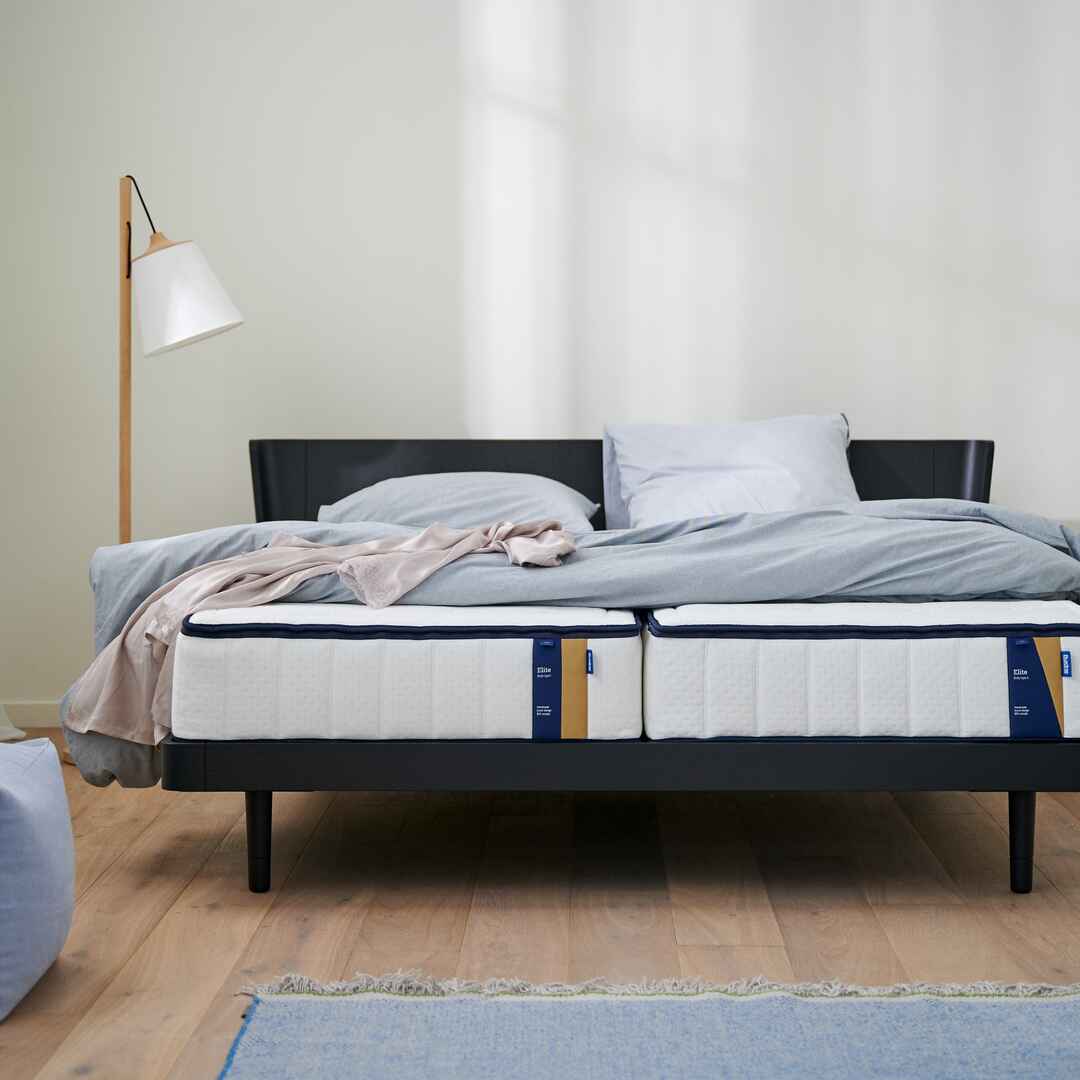
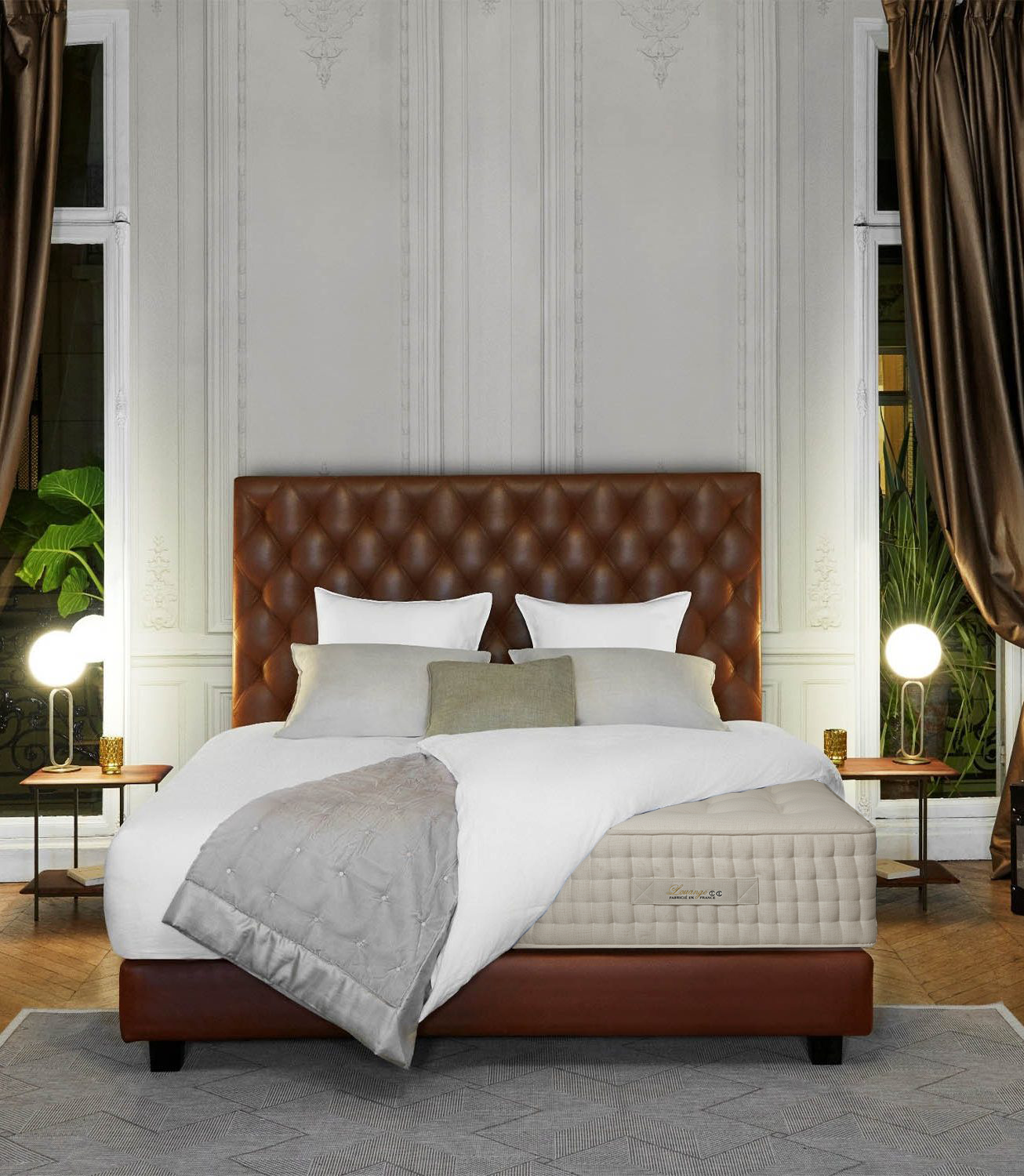
السرير المنجد يجلب النعومة وجوًا أكثر أناقة. إنه يناسب المساحات التي تكون فيها الراحة مركزية وحيث تكون الفراش متعدد الطبقات جزءًا من لغة التصميم. غالبًا ما يبدو السرير الخشبي أكثر هندسيًا وخلودًا، لا سيما في غرف النوم ذات الخطوط النظيفة أو لوحة الألوان الهادئة. يمكن أن يبدو الجلد استثنائيًا في الإعداد الصحيح، على الرغم من أنه يميل إلى أن يكون أكثر ذكورية وعصرية. يعتمد الاختيار الصحيح على الغرفة، والأرضيات، ومعالجة الجدران، ومدى رسمية أو استرخاء المساحة التي تريدها.
التناسب يهم بقدر المادة. يمكن أن يكون اللوح الأمامي الكبير لافتًا للنظر، ولكن في غرفة ذات أسقف منخفضة قد يهيمن بدلاً من أن يرفع من مستوى الغرفة. وبالمثل، يمكن لإطار سرير دقيق أن يختفي في جناح رئيسي كبير. يجب أن يبدو الأثاث الفاخر متماشيًا مع الهندسة المعمارية، وليس مفروضًا عليها.
من الجدير بالذكر أيضًا التفكير فيما هو أبعد من الإطار نفسه. تعمل أرقى setups غرف النوم كأنظمة نوم متكاملة، حيث يعمل السرير والمرتبة والطبقة العلوية والوسائد والفراش معًا. هذا هو غالبًا المكان الذي يضيف فيه بائع التجزئة المختار قيمة حقيقية، لأن الجماليات وحدها لا يمكنها تعويض سوء راحة النوم.
كيفية الحكم على المواد والحرفية
يجب اختيار المواد الفاخرة لجمالها ومتانتها. غالبًا ما يتم تقدير الخشب الصلب، ولكن ليس كل استخدام للقشرة يعد تنازلاً. في الأثاث الفاخر، يمكن أن تخلق القشرة عالية الجودة تشطيبًا أكثر استقرارًا ومتناسقًا بصريًا، خاصة عبر الأسطح الكبيرة مثل الخزائن والألواح الأمامية للأسرة. ما يهم هو كيفية استخدام المواد وتشطيبها.
انظر عن كثب إلى التجربة اللمسية. يجب أن يكون الخشب ناعمًا وقويًا، وليس مغطى بشكل مفرط. يجب أن يكون التنجيد مخيطًا بدقة، مع غرز متساوية ودون تجعد في الزوايا. يمكن أن تعمل الأقمشة الطبيعية مثل الكتان، وخلطات القطن، والصوف، والمخمل الناعم بشكل جميل، على الرغم من أن كل منها يأتي بملف صيانة مختلف. يوفر الكتان أناقة مريحة ولكنه قد يظهر تجعدًا. يخلق المخمل عمقًا ونعومة ولكنه يمكن أن يكشف عن علامات الضغط. الأقمشة عالية الأداء جذابة بشكل متزايد في الإعدادات الفاخرة لأنها تجمع بين المظهر المصقول والمرونة الأفضل.
في حالة الأثاث الخشبي الصلب، البناء هو كل شيء. يجب أن تنزلق الأدراج بهدوء وبشكل كامل. يجب أن تبدو التشطيبات الداخلية مدروسة، وليست ثانوية. غالبًا ما تكشف الأجزاء الخلفية، والأجزاء السفلية، والعناصر المخفية عن حقيقة الجودة. يجب أن يكون الأثاث الفاخر مصنوعًا جيدًا في الأماكن التي لا تنظر إليها على الفور، وليس فقط في الأماكن التي تنظر إليها.
القطع الرئيسية التي تستحق الاستثمار فيها
يحمل السرير عادةً أكبر وزن بصري ومالي، لكن القطع الداعمة تشكل مدى اكتمال الغرفة. يجب أن تكون الطاولات الجانبية متناسبة مع السرير وارتفاع المرتبة، لا أن تُختار كأفكار لاحقة. إذا كانت منخفضة جدًا، تبدو الغرفة مفككة ويصبح الاستخدام اليومي محرجًا. إذا كانت صغيرة جدًا، فإنها تقلل من الشعور بالتوازن.
تحتاج الخزائن والصناديق إلى نفس الانضباط. يمكن لخزانة عريضة أن تركز الجدار بشكل جميل، خاصة عندما تكون مزينة بإضاءة أو مرآة، ولكن لا ينبغي أن تستهلك مساحة الحركة. الصناديق الطويلة مفيدة حيث يكون التخزين أهم من العرض، على الرغم من أنها قد تبدو أكثر عمودية ورسمية. يعتمد الاختيار على خطة الغرفة بقدر احتياجات التخزين.
يمكن أن يضيف مقعد في نهاية السرير، أو كرسي استرخاء راقٍ، أو كرسي مميز متناسب، الراحة والأناقة، ولكن فقط إذا كانت الغرفة تحتوي على المساحة الكافية. غالبًا ما يتم التعبير عن الفخامة من خلال ضبط النفس. قطعة واحدة ممتازة عارضة أفضل من عدة قطع تجعل الغرفة تبدو مزدحمة.
تنسيق الأسلوب دون جعل الغرفة تبدو كأنها مسرح
غرف النوم الأكثر رقيًا نادرًا ما تأتي من شراء طقم متطابق. تبدو متراكبة، مجمعة، ومقصودة. يمكن أن يتناسب سرير بتنجيد ناعم بشكل جميل مع طاولات جانبية خشبية. يمكن تدفئة إطار عصري أنيق بأغطية سرير منسوجة ومقعد أكثر نحتًا. عندما تكون كل قطعة متطابقة في التشطيب ولغة التصميم، يمكن أن تبدو الغرفة وكأنها صالة عرض.
ومع ذلك، فإن التناقض يحتاج إلى سيطرة. يعمل مزج المواد بشكل أفضل عندما يكون هناك خيط مشترك، سواء كان ذلك النغمة، أو الخط، أو تشطيب الأجهزة، أو الحالة المزاجية العامة. يمكن أن تبدو قطع أثاث من خشب البلوط الدافئ، والمعادن المصقولة، والمفروشات ذات اللون الكريمي متناسقة حتى لو لم تكن من مجموعة واحدة. يمكن أن يعمل أيضًا الطلاء الداكن، والنحاس المصقول، والمخمل الدرامي، ولكن لوحة الألوان تحتاج إلى انضباط.
إذا كان منزلك يميل إلى الطراز التقليدي، فابحث عن أشكال محدثة بدلاً من التفاصيل المزخرفة بشكل مفرط. إذا كان يميل إلى الطراز الحديث، أضف نعومة من خلال المنسوجات والأشكال المنحنية بحيث تظل غرفة النوم مريحة بدلاً من أن تكون صارمة. يجب أن تبدو غرف النوم الفاخرة مصممة بعناية، وليس ذات طابع معين.
الحجم والتخطيط وتدفق الغرفة
أحد أكثر أخطاء الشراء شيوعًا في الفئات الراقية هو اختيار القطع بناءً على المظهر فقط دون احترام الحجم. يمكن أن يبدو الأثاث الكبير رائعًا في صالة العرض وساحقًا في المنزل. قبل الشراء، قم بقياس الغرفة بعناية، بما في ذلك أطوال الجدران، وارتفاع السقف، ودوران الأبواب، والمساحة اللازمة للتحرك بشكل مريح حول السرير.
اترك مساحة كافية لفتح الأدراج بالكامل والمشي في الغرفة دون احتكاك. في المساحات الضيقة، غالبًا ما تخلق الطاولات الجانبية النحيلة وتصاميم الأسرة الأكثر أناقة نتيجة أكثر فخامة من القطع الكبيرة اللافتة للنظر. الراحة في الحركة جزء من الراحة في العيش.
فكر بصريًا وكذلك جسديًا. يجب أن تكون العين قادرة على الراحة. إذا كان كل جدار يحتوي على قطعة كبيرة، تفقد الغرفة توازنها. المساحة الفارغة ليست مساحة مهدرة في التصميم الداخلي الفاخر. إنها تسمح للحرفية والمواد بالتميز.
أين تكمن القيمة الحقيقية في الأثاث الفاخر
يجب أن يبرر الأثاث الفاخر سعره في طول العمر، والتجربة، وسلامة التصميم. غالبًا ما تفرض العلامات التجارية ذات التاريخ أسعارًا أعلى لأنها وضعت معايير للبناء ولغة تصميم مميزة. قد يكون هذا مجديًا، خاصة عندما ترغب في تناسق الجودة وقطعة ستتجاوز الزمن بأناقة.
ومع ذلك، فإن التكلفة الأعلى ليست دائمًا قيمة أعلى. في بعض الأحيان تدفع مقابل تعقيد لا يحسن الراحة أو الوظيفة. قد يكون الإطار المزخرف بشكل كبير أغلى من إطار مصمم بأناقة وبساطة، ولكنه أقل مرونة على المدى الطويل. السؤال الأفضل ليس ما إذا كانت القطعة تبدو فخمة للوهلة الأولى، بل ما إذا كانت ستظل مناسبة بعد خمس أو عشر سنوات.
هنا تبرز أهمية الاختيار الخبير. مجموعة مختارة جيدًا توفر الوقت وتقلل من مخاطر شراء أثاث عصري الآن ولكن يصعب التعايش معه لاحقًا. للعملاء الذين يبنون غرفة نوم كاملة، غالبًا ما يكون هذا التوجيه ذا قيمة مثل المنتج نفسه.
دليل شراء أثاث غرف النوم الفاخرة للمسات النهائية
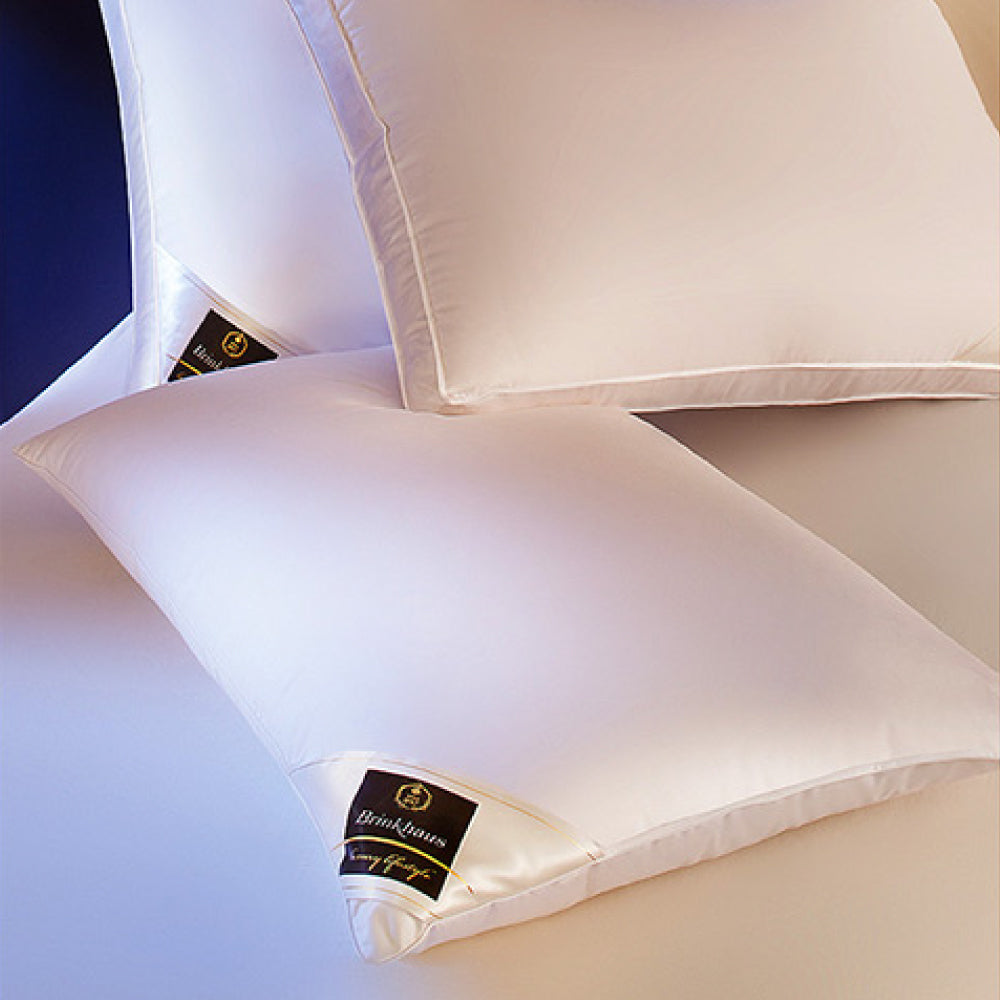
يخلق الأثاث هيكلاً، لكن الإحساس النهائي بالفخامة يأتي مما يحيط به. يؤثر الفراش والوسائد والطبقات العلوية وبياضات الحمام على شعور الغرفة بقدر ما يؤثر إطار السرير أو الخزانة. الأثاث الفاخر المقترن بمنسوجات باهتة وغير ملهمة لا يصل أبدًا إلى إمكاناته الكاملة.
توازن أقوى غرف النوم بين الراحة الملمسية والهدوء البصري. القطن المنعش، والساتان الغني، والكتان الخفيف، أو الألحفة المصممة بدقة، كل منها يخلق جوًا مختلفًا. يجب أن يبدو الترتيب الطبقي سخيًا، وليس مفرطًا. الهدف هو غرفة تدعو إلى الراحة فورًا.
عند الشراء عبر الفئات، فإن الاتساق ذو قيمة. يمكن لمتاجر التجزئة ذي الخبرة في أداء النوم وتصميم غرفة النوم المساعدة في مواءمة الجوانب العملية والجمالية للغرفة، وهذا غالبًا هو المكان الذي تنجح فيه المساحات الفاخرة أو تفشل.
لا تُبنى غرفة النوم الفاخرة المناسبة بمطاردة القطع الأكثر فخامة. بل تأتي من اختيار أثاث ذي حضور وراحة وجودة دائمة، ثم السماح للغرفة بالتنفس حول هذه القرارات. اشترِ أقل، واختر أفضل، ودع كل قطعة تبرر مكانها.