Hybrid Versus Innerspring Mattresses Compared
A mattress can look perfectly composed beneath fine linens and still leave its sleeper restless by morning. The real distinction in hybrid versus innerspring mattresses lies beneath the upholstery: how the mattress distributes weight, releases heat, responds to movement, and preserves its character over years of use. For a considered bedroom, that distinction deserves more than a quick test at the edge of a bed.
Both constructions use coils, and both can be crafted to an exceptional standard. Yet they deliver comfort in notably different ways. An innerspring mattress favors a buoyant, tailored feel with immediate response. A hybrid introduces more substantial comfort materials over its coil system, creating a more cushioned, pressure-relieving surface without giving up the structural benefits of springs.
Hybrid Versus Innerspring Mattresses: The Essential Difference
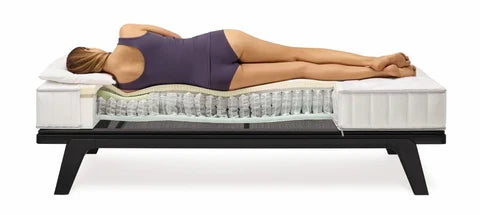
An innerspring mattress is built around a coil unit with relatively modest layers of padding above it. Depending on the model, those comfort layers may include cotton, wool, natural fibers, foam, or other upholstery materials. The coils do much of the work, giving the bed its lift, airflow, and responsive character.
A hybrid mattress also has a coil core, often individually pocketed, but pairs it with thicker layers designed for contouring comfort. These might include latex, memory foam, microcoils, wool, or proprietary cushioning materials. The result is usually a deeper comfort profile and a more gradual transition between the surface and the support system below.
Neither construction is automatically superior. A beautifully made innerspring can feel exquisitely supportive and refined, while a poorly designed hybrid can feel overly dense or warm. Materials, coil engineering, upholstery depth, and finishing all matter. The question is which sensation and performance profile best suits the way you sleep.
The Feel: Buoyant Support or Cushioned Contouring
The most immediate difference is how each mattress meets the body. Innerspring designs tend to feel lively. When you change position, the surface responds quickly, and you sleep more “on” the mattress than “in” it. For many people, especially those who appreciate a traditional luxury hotel bed feel, this makes movement effortless and gives the bed a poised, supportive presence.
Hybrids generally create a more enveloping welcome. Their comfort layers distribute pressure across the shoulders, hips, and lower back before the coils engage more fully. This can be particularly appealing to side sleepers or anyone who wakes with tenderness at pressure points. A hybrid need not feel soft, however. A firm hybrid can still offer an even, substantial sleep surface while providing more surface cushioning than a comparable innerspring.
Your preferred sleep position offers useful guidance. Back sleepers often enjoy either category, provided the lumbar area is supported without pushing the hips upward. Stomach sleepers frequently prefer the flatter, more immediate support of a firmer innerspring or a firm, low-profile hybrid. Side sleepers commonly gravitate toward a hybrid's deeper pressure relief, though a plush, well-upholstered pocket-spring mattress can also be an excellent choice.
Why the top layer matters
Two mattresses can share a similar coil system and feel entirely different because of the materials above it. Natural wool offers breathability and a resilient, softly cushioned finish. Latex has a springy, buoyant contour. Foam can provide close pressure relief, depending on its density and formulation. Fine quilting and layered upholstery also affect the first impression of the bed and its ability to maintain a polished feel over time.
For a premium purchase, look beyond labels such as “plush” or “firm.” Consider the depth and quality of the comfort materials, the craftsmanship of the cover, and whether the mattress maintains support across the full sleep surface rather than only in its center.
Support, Motion, and Ease of Movement
Modern pocket coils can offer precise, independent support in both hybrid and innerspring mattresses. Each coil responds more locally to body weight, which can help keep the spine aligned while reducing the sensation of a partner shifting nearby. This is especially valuable in a shared bed, where one sleeper may turn frequently or keep a different schedule.
Innerspring models can be exceptionally supportive, particularly for sleepers who prefer a stable, lifted sensation. Their lighter comfort layers allow the coil system's response to come through clearly. This directness can be a virtue for those with limited mobility, as it often makes getting in and out of bed easier.
Hybrids may offer better motion absorption when their upper layers have a more damping quality. They also tend to provide a broader zone of pressure distribution, which may benefit couples with different body types. The trade-off is that very deep or slow-responding comfort layers can make repositioning feel less immediate. For sleepers who dislike a sinking sensation, choose a hybrid with resilient latex, responsive foam, or a moderate comfort-layer depth rather than an ultra-plush profile.
Edge support also deserves attention. A reinforced perimeter makes the entire mattress feel more usable, particularly in an elegant upholstered bed where the visual proportion of the mattress matters. It provides a steadier seat while dressing and prevents that unsettled roll-off feeling near the side. This feature is not exclusive to either category, but it is worth experiencing in person.
Temperature and Breathability
Coils naturally encourage airflow, which gives innerspring mattresses a long-standing reputation for sleeping cool. With less foam above the springs, heat and moisture can disperse more readily. For warm sleepers, or for bedrooms dressed in generous layers of luxury bedding, this breathable construction can be especially attractive.
A hybrid can also sleep comfortably cool, but its performance depends on what sits above the coils. Latex, wool, ventilated foams, and breathable covers can create an excellent microclimate. Denser, less breathable foams may retain more warmth, particularly when used in thick layers. A hybrid is therefore not inherently warm, just more dependent on the details of its comfort system.
Climate, bedding, and personal preference all play a role. A cool-sleeping mattress paired with breathable sheets and a well-chosen duvet creates a more balanced sleep environment than any single component can achieve alone. The best bedrooms are considered as complete sleep systems, from mattress and pillow to protector, linens, and room temperature.
Durability Is About Construction, Not Category
When comparing hybrid versus innerspring mattresses, it is tempting to assume that more layers always mean more longevity. In reality, durability comes from material integrity and craftsmanship. High-quality coils should retain their support, while upholstery should resist premature compression and body impressions. A mattress with carefully selected natural fibers, resilient latex, or premium-density comfort materials may age gracefully when cared for properly.
Innerspring mattresses can be a compelling long-term choice because their simpler construction often preserves an airy, responsive feel. Hybrids can be equally enduring when their comfort layers are made to a high standard. The caution with budget-oriented hybrids is that lower-quality foams may soften or compress before the coil unit itself has reached the end of its useful life.
Consider the mattress foundation as part of the investment. A suitable platform, slatted base, or adjustable base, where compatible, helps maintain the mattress as intended. Rotating it according to the manufacturer's guidance also promotes more even wear. In a guest room, usage may be occasional; in a primary suite, the demands are nightly and deserve a construction built for them.
Choosing for Your Bedroom and Lifestyle
An innerspring mattress is often the right direction if you value a classic, responsive feel, naturally easy airflow, and a surface that makes movement feel light. It suits those who prefer firm to medium-firm support, sleep warm, or want the crisp, tailored character associated with fine traditional mattress making.
A hybrid may be the better fit if pressure relief is a priority, if you share the bed with a restless partner, or if you want a more cushioned sleep surface without abandoning coil support. It offers a versatile middle ground for couples whose comfort preferences differ, provided its materials are thoughtfully selected.
There is also an aesthetic consideration. A taller hybrid can create a more generous, inviting silhouette in a primary bedroom, while an innerspring with exquisite upholstery can convey a timeless, composed elegance. Mattress height should complement the bed frame, nightstands, and ease of entry rather than simply follow a trend.
The most confident decision comes from assessing your actual sleep habits rather than choosing the newest construction. Notice whether your shoulders need relief, whether you wake warm, how easily you turn, and whether you prefer to feel buoyantly supported or gently cradled. Then allow the mattress to be the foundation of the room's most valuable luxury: exceptional moments of rest, night after night.