كيف تصمم غرفة نوم رئيسية بشكل جميل
نادرًا ما تبدو غرفة النوم الرئيسية فارهة بسبب قطعة واحدة باهظة الثمن. غالبًا ما يعود الأمر إلى التناسب، وضبط النفس، والطريقة التي تعمل بها كل طبقة معًا. إذا كنت تتساءل عن كيفية تنسيق غرفة نوم رئيسية لتشعر بأنها مصقولة وليست مجمعة، فابدأ بالتفكير أبعد من الزينة. توازن الغرف الأكثر جاذبية بين جودة النوم والراحة والهدوء البصري.
في غرفة النوم المنسقة جيدًا، السرير ليس مجرد مكان للنوم. إنه المركز المعماري والعاطفي للغرفة. كل ما يحيط به، من الإضاءة إلى البياضات إلى المقعد عند قدم السرير، يجب أن يدعم هذا الدور. هذا ما يميز غرفة النوم التي تبدو مكتملة عن تلك التي تحتوي على أثاث فقط.
يبدأ تنسيق غرفة النوم الرئيسية بالسرير
تبدأ أقوى غرف النوم الرئيسية بسرير له حضور. الحجم مهم هنا. في غرفة واسعة، السرير الصغير جدًا يمكن أن يجعل المساحة بأكملها تبدو غير مجهزة بشكل كافٍ، بينما الإطار الكبير جدًا في غرفة متواضعة يمكن أن يجعل الحركة تبدو ضيقة وغير مريحة. الهدف هو السلطة البصرية دون ثقل.
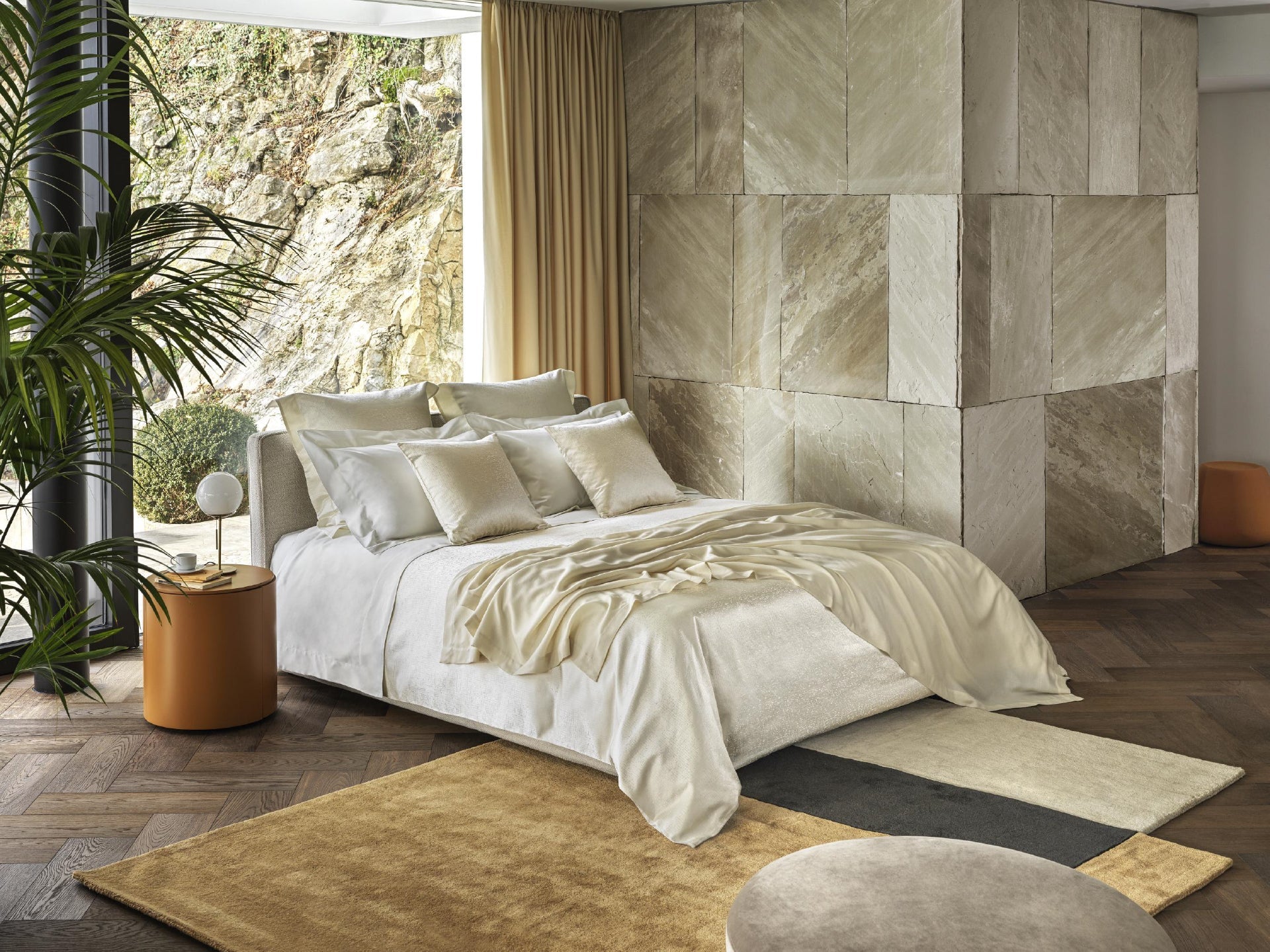
غالبًا ما تخلق لوحة الرأس المنجدة الأساس الأكثر رقيًا لأنها تضيف النعومة والعمق والراحة بنفس القدر. يضفي القماش المصمم، والخياطة الأنيقة، والتناسب المدروس إحساسًا بالحرفية التي ترفع مستوى الغرفة على الفور. إذا كان أسلوبك يميل أكثر إلى الطابع المعماري، فإن سرير خشبي بتشطيب جميل يمكن أن يحقق نفس التأثير، على الرغم من أنه يستفيد عادةً من الأقمشة الدافئة المتراكبة حوله.
تؤثر المرتبة أيضًا على التنسيق أكثر مما يدركه الناس. السرير المنخفض جدًا يمكن أن يبدو مسطحًا وغير مجهز، بينما السرير ذو الارتفاع المناسب يمنح الغرفة مظهرًا أكثر جوهرية وتألفًا. يجب أن يعمل التنسيق وأداء النوم معًا. يفقد السرير الجميل جاذبيته بسرعة إذا كانت الراحة مجرد فكرة لاحقة.
بناء الغرفة حول لوحة ألوان محددة
غرف النوم الفاخرة عادة ما تكون منضبطة في اللون. هذا لا يعني أن كل شيء يجب أن يكون بيج، لكنه يعني أن لوحة الألوان يجب أن تبدو مقصودة. الألوان المحايدة الناعمة، والعاجيات الدافئة، والتوب، ودرجات الفحم، والظلال المعدنية الهادئة، وألوان الأرض العميقة كلها تعمل بشكل جيد بشكل خاص لأنها تخلق هدوءًا بصريًا.
غرفة النوم الرئيسية ليست المكان المناسب للعديد من التصريحات المتنافسة. إذا كان إطار السرير يحتوي على نسيج، فاجعل لون الجدار بسيطًا. إذا كانت مفروشات السرير تتميز بنمط دقيق أو تطريز، فدع الأثاث المحيط يبقى أنيقًا. التباين مفيد، ولكن فقط عندما يكون متحكمًا به.
بالنسبة لمعظم المنازل، تكفي ثلاث درجات ألوان أساسية: لون أساسي سائد، وظل ثانوي داعم، ولهجة أعمق أو أغنى. هذا يحافظ على طبقات الغرفة دون جعلها مشغولة. إذا كنت تريد لمسة أكثر إشراقًا، فأدخلها من خلال بطانية، أو وسادة زخرفية، أو عمل فني بدلاً من تخصيص الغرفة بأكملها للون شائع.
رص الفراش بطريقة مصمم
إذا كان هناك مجال واحد ينجح فيه تنسيق غرفة النوم الرئيسية أو يفشل، فهو الفراش. يجب أن يبدو السرير جذابًا، ولكن ليس مبالغًا فيه أبدًا. تأتي النتيجة الفاخرة من المواد عالية الجودة، والتنوع في الألوان، والتنسيق الدقيق بدلاً من كومة من الوسائد العشوائية.
ابدأ بـ شراشف استثنائية من قماش يناسب مناخك وتفضيلاتك. يمنح قماش البيركال القطني المقرمس إحساسًا بالبرودة والأناقة. الساتان يقدم لمسة نهائية أكثر نعومة وإشراقًا. الكتان يضفي أناقة أكثر استرخاءً، على الرغم من أنه الأفضل لمن يقدرون نسيجه الطبيعي بدلاً من المظهر المكوي بدقة.
من هناك، أضف لحافًا أو غطاءً سميكًا يمنح السرير عمقًا بصريًا. في العديد من غرف النوم الرئيسية، يؤدي الجمع بين الاثنين إلى أغنى تأثير: غطاء للتركيب ولحاف للنعومة. ثم أكمل بـ وسائد بأحجام متدرجة. يمكن لشموع السرير الأوروبية أن تؤطر لوح الرأس بشكل جميل، بينما تكمل وسائد النوم القياسية ووسادة أو اثنتان من الوسائد الزخرفية الترتيب.
التحكم مهم. غالبًا ما يبدو السرير المزدحم بالوسائد الزخرفية رسميًا بطريقة خاطئة ويصبح غير مريح في الحياة اليومية. الأسرة الأكثر أناقة سخية، وذات طبقات، وسهلة العيش معها.
وازن بين الوظيفة والجو بالإضاءة
الإضاءة هي إحدى أسرع الطرق لجعل غرفة النوم الرئيسية تبدو راقية. الإضاءة العلوية وحدها نادرًا ما تكون جذابة، ولا تخلق أبدًا ذلك النوع من الهدوء الذي تحتاجه المساحة. أفضل طريقة هي التفكير في الطبقات: الإضاءة المحيطة للغرفة، وإضاءة المهام للقراءة، وإضاءة اللكنة للمزاج.
يجب أن تبدو مصابيح السرير قوية بما يكفي لتثبيت الطاولات الجانبية. تبدو المصابيح الصغيرة بجانب سرير كبير دائمًا ضائعة. إذا كانت المساحة محدودة، يمكن للشمعدانات المثبتة على الحائط أن توفر مساحة سطحية مع إضافة لمسة نهائية أكثر أناقة مستوحاة من الفنادق. غالبًا ما يعتمد الاختيار بين الاثنين على كيفية استخدامك للغرفة. تبدو المصابيح أكثر نعومة وكلاسيكية، بينما تبدو الشمعدانات أكثر معمارية ومقصودة.
المصابيح الدافئة ضرورية. يمكن أن تجعل الإضاءة البيضاء الباردة حتى المواد الجميلة تبدو قاسية. المخفتات، حيثما أمكن، تستحق الأولوية. إنها تسمح للغرفة بالانتقال من عملية إلى مريحة بأقل جهد.
استخدم الأثاث لخلق إيقاع، لا فوضى
أحد الأخطاء الأكثر شيوعًا في تنسيق غرف النوم الرئيسية هو إضافة الأثاث لمجرد أن الغرفة تتسع له. لا تحتاج غرفة النوم الأكبر حجمًا إلى أن تملأ كل زاوية. إنها تحتاج إلى ما يكفي من الأثاث لتشعر بالاكتمال، مع مساحة سلبية كافية لتشعر بالهدوء.
يجب أن تكون طاولات السرير متناسبة مع السرير، من حيث العرض والارتفاع. يبدو السرير الفاخر المقترن بطاولات سرير صغيرة الحجم غير مكتمل. تخلق الطاولات المتطابقة تناسقًا وترتيبًا، على الرغم من أن القطع المختلطة يمكن أن تعمل إذا تشاركت وزنًا بصريًا وتشطيبًا مماثلين.
عند قدم السرير، يمكن أن يكون المقعد فعالًا بشكل خاص. إنه يمد السرير بصريًا، ويوفر مكانًا عمليًا للجلوس، ويضيف طبقة أخرى من النسيج. في بعض الغرف، يوفر زوج من المقاعد العثمانية مرونة أكبر. إذا كانت غرفة النوم واسعة، يمكن لكرسي الاستلقاء أو الكرسي الطويل مع طاولة جانبية إنشاء زاوية قراءة منفصلة، مما يمنح الغرفة إحساسًا أكثر اكتمالًا ومراعاة.
المقايضة هي التداول. يجب أن تترك كل قطعة مضافة مساحة واضحة للتحرك حول السرير بشكل مريح. إذا كان التصميم يبدو ضيقًا، فقم بإزالة بدلاً من الإضافة.
النسيج هو ما يجعل الغرفة تبدو باهظة الثمن
عندما يصف الناس غرفة النوم بأنها فاخرة، فإنهم غالبًا ما يستجيبون للنسيج بقدر ما يستجيبون للون أو الأثاث. ناعم مقابل مطفأ، مقرمش مقابل مخملي، مصمم مقابل مطوي بلطف - هذه التركيبات تخلق ثراءً.
هذا هو المكان الذي يهم فيه اختيار المواد. ألواح الرأس المنجدة، الفراش المنسوج بدقة، بطانية مبطنة، لمسات من الصوف أو الكشمير، ستائر ذات لمعان ناعم، وسجادة فخمة تحت الأقدام كلها تساهم في تجربة متعددة الطبقات. حتى التشطيبات الصلبة يجب أن تجلب العمق. حبيبات الخشب، المعدن المصقول، الورنيش، والحجر يضيف كل منها طابعًا مختلفًا.
الأهم هو التنوع ضمن لوحة ألوان متحكم بها. إذا كان كل شيء ناعمًا، يمكن أن تبدو الغرفة مسطحة. إذا كان كل شيء أنيقًا، يمكن أن تبدو باردة. أجمل غرف النوم الرئيسية تمزج بين الراحة الحسية والبنية البصرية.
كيفية تنسيق غرفة نوم رئيسية مع اللمسات النهائية
يجب ألا تبدو الطبقة النهائية وكأنها تنسيق لاحق. تعمل الأعمال الفنية والمرايا والصواني والأشياء الزخرفية بشكل أفضل عندما تعزز مزاج الغرفة بدلاً من التنافس على جذب الانتباه.
فوق السرير، يجب أن تكون الأعمال الفنية متناسبة بثقة. القطع الصغيرة جدًا يمكن أن تجعل الجدار يبدو منفصلًا عن السرير أدناه. غالبًا ما تبدو القطعة الكبيرة الواحدة أو الزوج المتوازن أكثر رقيًا من ترتيب المعرض المزدحم. يمكن أن تكون المرايا مفيدة أيضًا، خاصة في الغرف التي تحتاج إلى مزيد من الضوء أو إحساس أقوى بالانفتاح.
تستحق معالجة النوافذ عناية متساوية. يمكن أن تجعل النوافذ العارية غرفة أنيقة تبدو غير مكتملة. الستائر الطويلة، المعلقة بشكل مثالي أعلى وأعرض من إطار النافذة، تمنح الغرفة ارتفاعًا ونعومة. عادة ما تبدو الأقمشة المبطنة أكثر جوهرية وتتدلى بشكل أجمل.
يجب أن تظل الأسطح المنسقة منسقة. طاولة سرير عليها مصباح وكتاب واحد وصينية صغيرة تبدو متناسقة. الخزانة المزدحمة بالملحقات لا تبدو كذلك. غالبًا ما يتم التعبير عن الرفاهية من خلال ما يتم استبعاده.
اجعلها شخصية، ولكن حافظ على الرقي
يجب أن تعكس غرفة النوم الرئيسية الأشخاص الذين يعيشون فيها، وليس غرفة عرض منسوخة بالضبط. التفاصيل الشخصية مهمة، ولكن يجب اختيارها بنفس الانضباط الذي يتم به اختيار الأثاث الأكبر. يمكن لعطر مفضل، أو قطعة ذات معنى بمواد فاخرة، أو مفروشات تعزز نومك حقًا أن تشكل الغرفة بقوة أكبر من قطع الموضة.
بالنسبة للعديد من أصحاب المنازل، فإن المسار الأكثر ذكاءً هو الاستثمار بشكل أكبر في ما تلمسه يوميًا: المرتبة، والسرير، والوسائد، والبياضات، والإضاءة. يمكن أن تتطور العناصر الزخرفية بمرور الوقت. يجب ألا تتأثر الراحة الأساسية. هذا هو المكان الذي يحدث فيه نهج الرفاهية المنسق فرقًا، لأن الغرفة تعمل بشكل جميل بقدر ما تبدو عليه.
إذا كنت تقوم بالتنسيق من البداية، ففكر في غرفة النوم كنظام كامل بدلاً من سلسلة من المشتريات المنفصلة. تتحدث متاجر التجزئة مثل سليبنج بلازا عن هذه الطريقة الراقية لتأثيث، حيث يُقصد بالحرفية والراحة وتناسق التصميم أن تعمل معًا.
أفضل غرف النوم الرئيسية لا تطلب الاهتمام. إنها تحتفظ به بهدوء، من خلال المواد الجميلة، والتناسب الواثق، والشعور الذي لا لبس فيه بأن كل خيار ينتمي إليها.