كيفية اختيار وسائد دعم الرقبة المناسبة
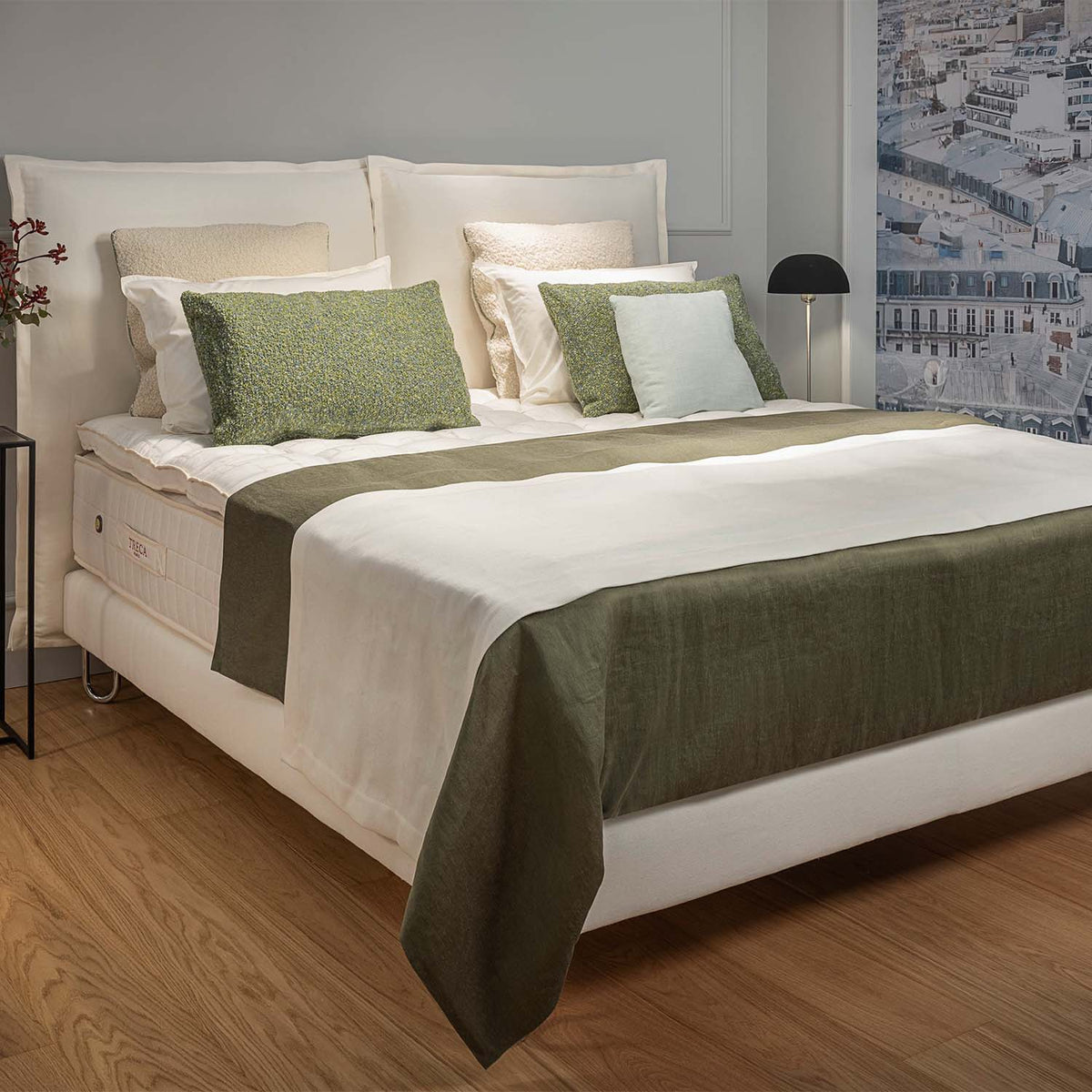
قد تبدو غرفة النوم أنيقة بوجود وسادة ممتلئة بعناية، إلا أن اختيار الشكل أو الارتفاع غير المناسب قد يرهق رقبتك طوال الليل. ولحسن اختيار وسائد دعم الرقبة، انظر إلى ما هو أبعد من مجرد النعومة؛ فالخيار الأمثل هو الذي يحقق استقامة متناغمة من الرأس مروراً بالرقبة وصولاً إلى الكتفين، مع توفير الملمس والمظهر الذي يليق بغرفة نوم مهيأة بعناية.
شراء الوسادة ليس قراراً منعزلاً؛ فهي تعمل بالتوازي مع مرتبتك، ووضعية نومك المفضلة، وطريقة استرخاء جسدك الطبيعية. الهدف ليس بالضرورة التصميم الأكثر صلابة أو الأكثر تعقيداً من الناحية التقنية، بل هي الوسادة التي تشعر بارتفاعها ومرونتها وأبعادها بأنها صحيحة بهدوء ليلة بعد ليلة.
ابدأ بوضعية نومك الطبيعية
تُعد وضعية نومك المعتادة أفضل نقطة انطلاق، فهي تحدد مقدار المسافة التي يجب أن تدعمها الوسادة بين رأسك والمرتبة. نادراً ما تؤدي محاولة تغيير وضعية نومك لتناسب وسادة جديدة إلى نتائج مرضية؛ لذا اختر تصميماً يدعم طريقتك الحقيقية في النوم.
من ينامون على الجانب يحتاجون إلى ارتفاع مدروس
عند النوم على الجانب، يجب أن تملأ الوسادة المسافة بين الأذن والكتف الخارجية. قلة الارتفاع تسمح للرأس بالميل نحو المرتبة، بينما قد يؤدي الارتفاع الزائد إلى إمالته للأعلى؛ وكلاهما قد يسبب شعوراً بالإجهاد في الصباح.
غالباً ما يفضل من ينامون على جانبهم وسائد ذات ارتفاع متوسط إلى عالٍ وبنية ثابتة، خاصة إذا كانت أكتافهم عريضة أو ينامون على مرتبة طرية تسمح للكتف بالانغماس بعمق أكبر. قد تكون الوسادة ذات الشكل الهندسي أو المنحنية خياراً ممتازاً إذا كنت تفضل ثباتاً في وضعية الرأس، في حين توفر الوسائد المحشوة بالريش الطبيعي أو البديل المتميز مرونة أكبر لتشكيل سطح الوسادة.
من ينامون على الظهر يستفيدون من الانحناءات اللطيفة
يحتاج من ينامون على ظهورهم عادةً إلى ارتفاع أقل مقارنة بمن ينامون على الجانب. فالوسادة المثالية هي التي تدعم الانحناء الطبيعي للرقبة دون دفع الرأس للأمام باتجاه الصدر. غالباً ما يكون الارتفاع المتوسط مناسباً، خاصة إذا كانت الوسادة تحتوي على لب سريع الاستجابة أو تصميم منحني مدروس.
هنا تبرز أهمية جودة المواد؛ فالوسادة التي تشعرك بالارتفاع الفاخر في البداية ولكنها تهبط بسرعة قد تترك رقبتك بلا دعم قبل حلول الصباح. اختر تصميماً يستعيد شكله بانسيابية بعد الضغط ويحافظ على سطح مستوٍ.
من ينامون على البطن يجب أن يختاروا ارتفاعاً منخفضاً
تتطلب وضعية النوم على البطن إدارة الرأس، لذا فإن الوسادة المرتفعة قد تزيد من الضغط على الرقبة. التصميم الناعم ومنخفض المستوى هو الخيار الأكثر ملاءمة عادةً. قد يجد بعض من ينامون على بطونهم الراحة في وسادة رقيقة جداً أو بدون وسادة تحت الرأس، ومع ذلك، يمكن لوسادة خفيفة أن توفر الراحة وتضفي لمسة جمالية على سرير مرتب بطبقات متعددة.
يجب على من يغيرون وضعيات نومهم البحث عن التنوع بدلاً من التصميم المتطرف. الوسادة ذات الارتفاع المتوسط مع إمكانية تعديل الحشوة، أو الرغوة سريعة الاستجابة، أو بنية الألياف المتوازنة، يمكن أن تجعل الانتقال بين الوضعيات أكثر طبيعية طوال الليل.
اختر وسائد دعم الرقبة حسب الارتفاع لا المصطلحات التسويقية
مصطلحات مثل "فاخرة"، "صلبة"، "طبية"، و"ممتازة" مفيدة فقط عند اقترانها بتفاصيل محددة. الارتفاع، أي ارتفاع الوسادة بعد الضغط عليها برأسك، له تأثير مباشر على استقامة الجسم. قد تكون الوسادة ذات الارتفاع العالي مريحة تماماً لشخص، وغير مناسبة إطلاقاً لآخر.
تغير المرتبة من المعادلة؛ فعلى المرتبة الأكثر صلابة، يبقى جسمك أقرب إلى السطح، مما يتطلب غالباً وسادة أقل ارتفاعاً. أما على المرتبة الأكثر طراوة أو المرتبة ذات الطبقة العلوية المبطنة، فقد تنغمس الأكتاف بعمق أكبر، مما يستدعي ارتفاعاً إضافياً للوسادة. لهذا السبب، قد تبدو الوسادة التي شعرت بأنها مثالية في فندق أو معرض مختلفة تماماً في منزلك.
كما أن نسب الجسم مهمة؛ فمن ينامون على الجانب بأكتاف عريضة يحتاجون عادةً إلى مساحة أكبر لتغطيتها مقارنة بأصحاب الأجسام الصغيرة. طول الرقبة وشكل الرأس والتفضيلات الشخصية كلها تؤثر في الاختيار النهائي. لا يوجد ارتفاع واحد يمثل الدعم المثالي للجميع.
الاختبار العملي بسيط: عند الاستلقاء بوضعيتك المعتادة، يجب ألا يميل رأسك بشكل ملحوظ للأعلى أو للأسفل أو للجانبين. يجب أن يكون الشعور متوازناً لا تصحيحياً. إذا كنت تشعر بالحاجة إلى طي أو ضرب أو تكديس الوسائد كل مساء، فمن المحتمل أن ارتفاع الوسادة لا يخدمك بشكل جيد.
ضع في اعتبارك ملمس الحشوة
تحدد الحشوة أكثر من مجرد النعومة؛ فهي تؤثر على درجة الحرارة، وتخفيف الضغط، وسهولة التعديل، والمتانة، والمظهر العام للوسادة على السرير.
يوفر الريش نعومة استثنائية وانسيابية كلاسيكية جذابة، وهو مطلوب لقدرته على التشكيل، مما يجعله جذاباً لمن يحبون الالتفاف حول وسادتهم أو إعادة تشكيلها أثناء الليل. لدعم الرقبة، اختر تصميماً عالي الجودة مع حشوة كافية وكثافة تقاوم الهبوط السريع. قد تكون وسادة الريش الناعمة جداً رائعة عند اللمس، لكنها قد لا توفر الدعم الكافي لمن ينامون على جانبهم.
تميل مزيجات الريش والزغب إلى توفير المزيد من القوام وملمس أكثر صلابة قليلاً. يمكن أن تكون حلاً وسطاً راقياً لمن يرغبون في الجاذبية التقليدية للحشوات الطبيعية مع ثبات أكبر. وكما هو الحال مع أي وسادة بحشوة طبيعية، يساعد النفض المنتظم في الحفاظ على ارتفاعها.
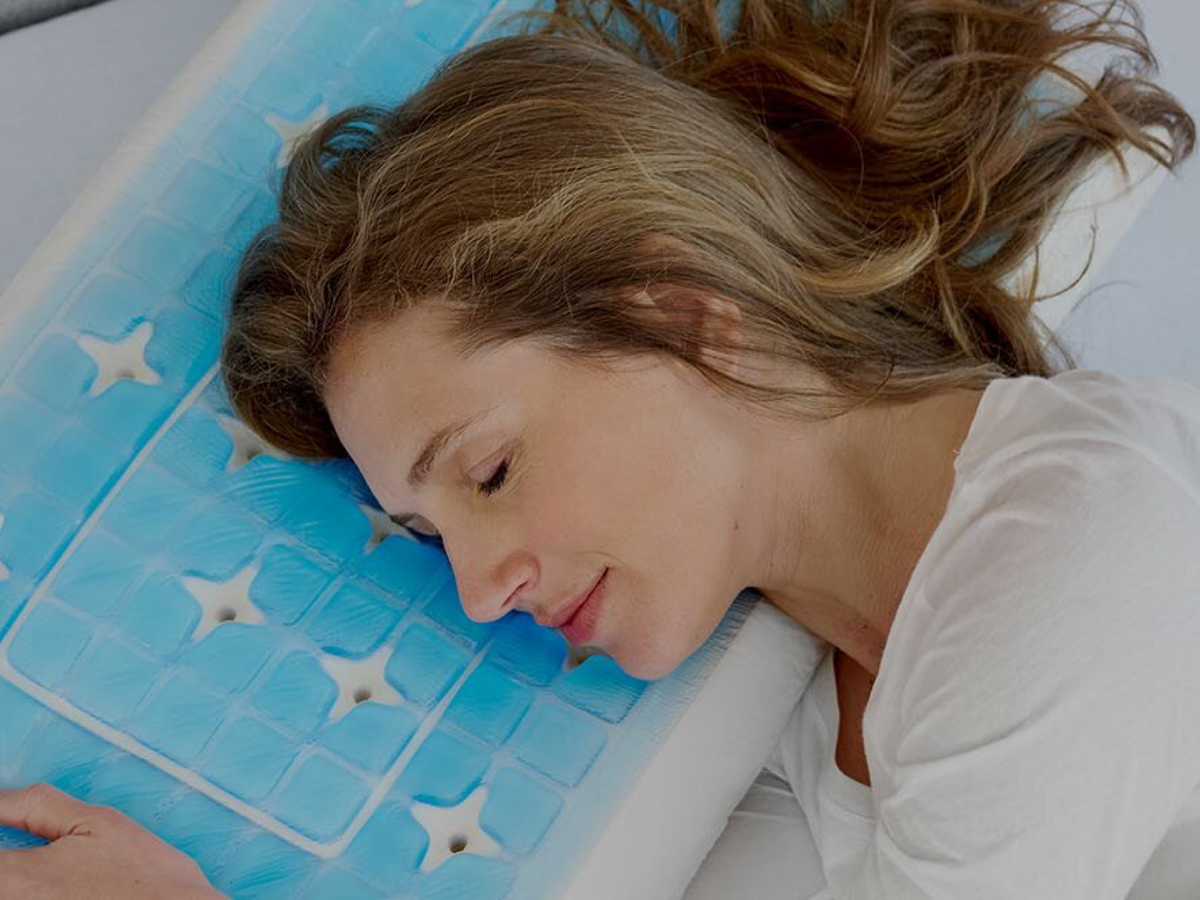
توفر رغوة الذاكرة (Memory Foam) والرغوة المتقدمة المحقونة بالهلام تجربة دعم أكثر تشكيلاً وثباتاً. قد تناسب هذه المواد من يرغبون في أن تحافظ وسادتهم على شكلها وتضع رقبتهم في وضعية محددة. المقابل لذلك هو ملمس أقل قابلية للتعديل، واعتماداً على التصميم، إحساس أكثر كثافة من الوسادة المحشوة التقليدية.
اللاتكس مادة متجاوبة ومرنة، وغالباً ما يفضلها أولئك الذين لا يحبون الانغماس البطيء للرغوة. فهي توفر الدعم دون الشعور بالصلابة، وتميل للحفاظ على شكلها جيداً. يمكن لخيارات الألياف الدقيقة (Microfiber) توفير نعومة مصقولة مستوحاة من الفنادق مع مزايا العناية العملية، وإن كانت الجودة متفاوتة للغاية. ابحث عن بنية مصممة لمقاومة التكتل والحفاظ على ارتفاعها مع الاستخدام المتكرر.
انتبه للشكل والبنية
تظل الوسادة المستطيلة القياسية خياراً متنوعاً، خاصة لمن يستمتعون بتعديل وضعيتهم أو تزيين السرير بطبقات من الوسائد الأوروبية والوسائد الزخرفية. ضمن هذا التصميم المألوف، يمكن للحواف المدعمة (Gusseted) أن تخلق عمقاً إضافياً وتساعد في بقاء الحشوة موزعة بالتساوي.
صُممت الوسائد المنحنية بمناطق مرتفعة وأخرى منخفضة لاحتضان الرقبة والرأس، وهي مفيدة بشكل خاص لمن ينامون على الظهر والجانب الباحثين عن استقامة ثابتة. شكلها وظيفي أكثر منه زخرفي، لذا فكر فيما إذا كنت تفضل سطحاً محدداً جداً للنوم أو سهولة الوسادة التقليدية التي يمكن قلبها وإعادة تشكيلها.
توفر الوسائد القابلة للتعديل طريقاً آخر مدروساً؛ إذ تسمح الحشوة القابلة للإزالة أو الحشوات المتعددة بتنقيح الارتفاع مع مرور الوقت، وهي ميزة قيّمة لمن يغيرون وضعيات نومهم أو أي شخص يغير مرتبته. تتطلب عملية التعديل القليل من الصبر، لكنها يمكن أن تمنع دورة استبدال الوسائد التي تكون "مناسبة تقريباً" ولكن ليست مثالية.
تستحق أقمشة الغطاء الانتباه أيضاً؛ فالقطن المسامي، أو الساتان المنسوج بدقة، أو القماش العملي المراعي لدرجة الحرارة، يمكن أن يؤثر على تجربتك الليلية. لغرفة نوم فاخرة، استخدم غطاءً واقياً للحفاظ على الوسادة تحت أغطية الوسائد الرائعة؛ فهذا يحمي استثمارك دون المساس بلمسة السرير النهائية.
اعرف متى تصل الوسادة إلى نهاية عمرها الافتراضي
حتى المواد الاستثنائية لها عمر افتراضي. إذا ظلت الوسادة مسطحة بعد نفضها، أو ظهرت بها كتل مستمرة، أو لم تعد توفر الدعم في وضعيتك المعتادة، فمن المحتمل أنها أدت دورها وانتهى وقتها. الاستيقاظ مع تصلب جديد قد يكون إشارة مفيدة، خاصة إذا لم تتغير مرتبتك أو روتين نومك.
يجب أن توجه تعليمات العناية عملية الشراء منذ البداية. بعض الوسائد المحشوة المتميزة يمكن تنظيفها احترافياً أو غسلها بعناية، بينما تتطلب تصميمات الرغوة واللاتكس عادةً تنظيف البقع واستخدام غطاء قابل للإزالة والغسل. العناية السليمة تحمي النظافة والأداء، وغالباً ما يكون واقي الوسادة أبسط وسيلة لإطالة عمر الوسادة المفضلة لديك.
إذا كان عدم ارتياح الرقبة شديداً أو مستمراً أو مصحوباً بتنميل أو صداع أو ألم يمتد إلى الذراعين، فقد لا تكون الوسادة وحدها هي الحل؛ وهنا يكون التوجيه الطبي المتخصص ضرورياً.
يجب ألا تشعر بوجود الوسادة المناسبة إلا من خلال جودة راحتك: رقبة مستقرة، وضعية غير متكلفة، وسرير يدعوك للعودة إليه في نهاية اليوم. امنح نفسك بضع ليالٍ لتقييم مدى ملاءمتها، ثم دع الراحة والحرفية والدعم المستمر يوجهون قرارك النهائي.