أفضل كرسي استرخاء لدعم الظهر: ما الذي تبحث عنه
يمكن أن تشعر بالراحة في كرسي الاستلقاء لمدة عشر دقائق، ومع ذلك يكون الخيار الخاطئ لظهرك. هذا هو الخطأ الذي يرتكبه العديد من المتسوقين عند البحث عن أفضل كرسي استلقاء لدعم الظهر - فهم يحكمون على النعومة أولاً، ثم يتساءلون لماذا لا يزال أسفل ظهرهم متوتراً بعد أمسية من القراءة أو مشاهدة التلفزيون أو مجرد محاولة الاسترخاء.
كرسي الاستلقاء المناسب يفعل أكثر من مجرد الإمالة إلى الوراء. فهو يدعم العمود الفقري في وضع محايد، ويوسد نقاط الضغط دون أن يسمح للجسم بالانهيار، ويتناسب مع هيكلك بدقة كافية لتدوم الراحة طويلاً بعد اختبار صالة العرض. وفي الديكورات الداخلية الفاخرة، يجب أن يجلب أيضًا حضورًا تصميميًا وموادًا راقية وحرفية تتحمل الاستخدام اليومي.
ما الذي يجعل كرسي الاستلقاء الأفضل لدعم الظهر؟
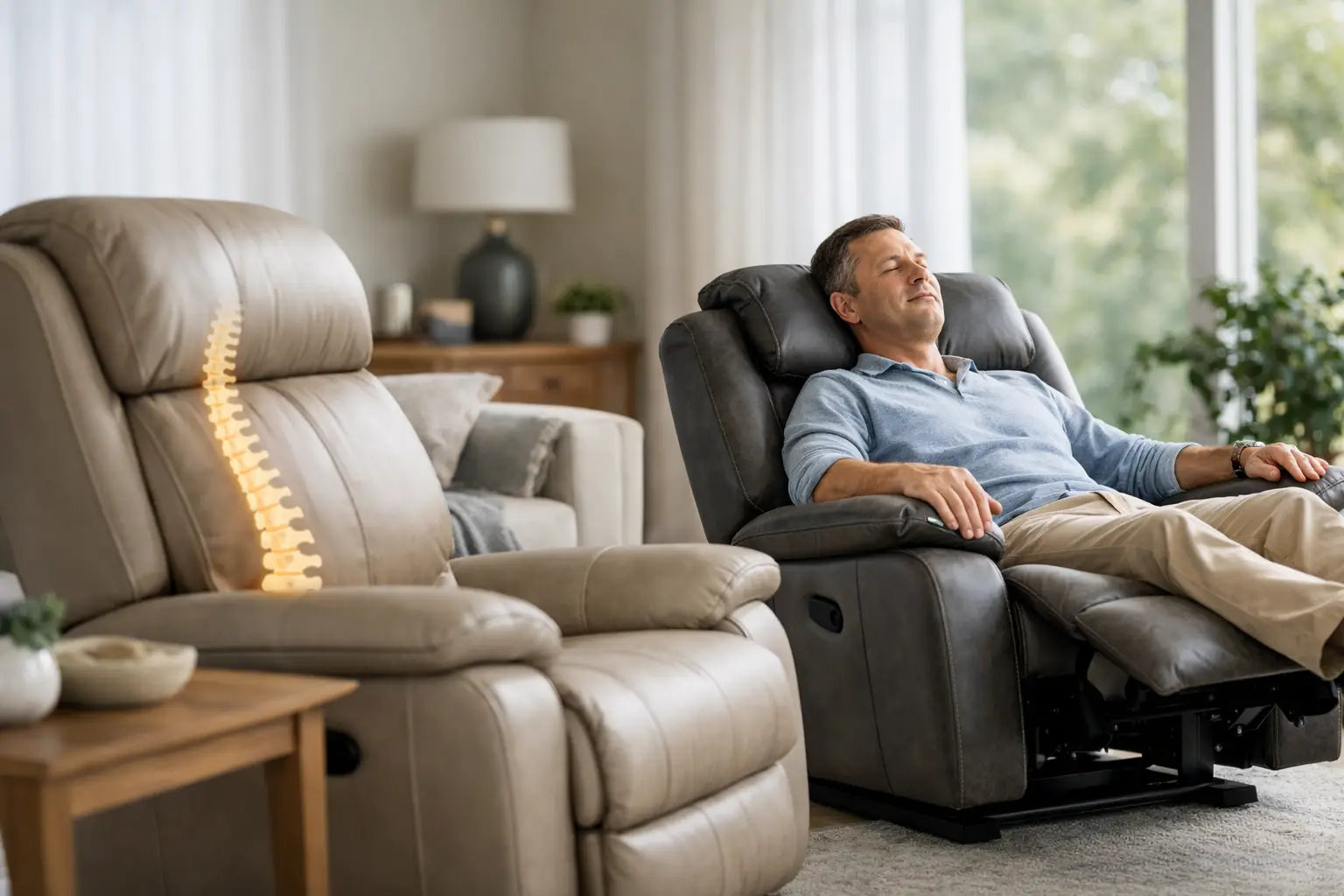
دعم الظهر لا يقتصر فقط على إضافة حشوة إضافية. في الواقع، كثرة الوسائد يمكن أن تعمل ضد الوضعية الصحيحة. يجب أن يدعم كرسي الاستلقاء المصمم جيدًا المنحنى الطبيعي للعمود الفقري القطني، ويمنع الحوض من الميلان كثيرًا إلى الخلف، ويوزع وزن الجسم بالتساوي عبر الظهر والمقعد والساقين.
هنا تبرز أهمية البناء. يتم تصميم أفضل القطع بحيث لا يترهل المقعد بشكل مفرط، ويسند مسند الظهر بدلاً من أن يبتلعك، وتتحرك آلية الإمالة بسلاسة كافية لتسمح لك بتغيير الوضعيات بسهولة. إذا بدا الكرسي واسعًا ولكنه ترك فجوة خلف أسفل ظهرك، فهو ليس داعمًا حقًا.
يوجد أيضًا فرق مهم بين الراحة والدعم التصحيحي. يرغب بعض الأشخاص في كرسي استلقاء ببساطة لتقليل الإرهاق في نهاية اليوم. بينما يدير آخرون توترًا متكررًا في أسفل الظهر، أو تصلبًا في الأكتاف، أو ضغطًا في الوركين. يعتمد الخيار الأفضل على المشكلة التي تحاول حلها.
ابدأ بمحاذاة العمود الفقري، وليس بالنعومة
يجب أن يشجع كرسي الاستلقاء الداعم على وضعية مريحة ولكن متوازنة. عند الجلوس مستقيمًا، يجب أن تشعر بأن أسفل ظهرك محتضن بخفة، وليس مسطحًا. يجب أن تستقر كتفيك بشكل طبيعي على مسند الظهر، ويجب أن تصل قدماك إلى الأرض أو مسند القدمين دون إجهاد.
عند الاستلقاء، يجب أن يسمح الكرسي لجسمك بالانفتاح عبر الوركين مع الحفاظ على التلامس في منطقة أسفل الظهر. إذا فقد أسفل الظهر الدعم بمجرد أن تتكئ للخلف، فقد يبدو الكرسي فاخرًا في البداية ولكنه يصبح مرهقًا بمرور الوقت.
هذا هو السبب في أن كراسي الاستلقاء الفاخرة غالبًا ما تبدو أكثر توازنًا من النماذج ذات الوسائد المفرطة في السوق الشاملة. فالهندسة الأفضل تخلق دعمًا تحت التنجيد، وليس فقط فوقه. والنتيجة هي جلوس أكثر اتزانًا، مع غرق أقل ونقاط ضغط أقل.
لماذا يعتبر دعم أسفل الظهر مهمًا جدًا
يتحمل العمود الفقري القطني قدرًا كبيرًا من الإجهاد اليومي. ساعات الجلوس على المكتب، والرحلات الطويلة، والوقت الذي يقضى على مقاعد غير داعمة كافية، كل ذلك يتراكم. يمكن لكرسي الاستلقاء ذو الشكل المدروس لدعم أسفل الظهر أن يساعد في تخفيف هذا الإجهاد من خلال دعم الانحناء الداخلي لأسفل الظهر بدلاً من تركه معلقًا.
بالنسبة لبعض المشترين، يعتبر دعم أسفل الظهر القابل للتعديل أولوية تستحق الاهتمام. فهو يسمح بشعور أكثر تخصيصًا، خاصة في المنازل التي يستخدم فيها أكثر من شخص الكرسي. يمكن أن يظل دعم أسفل الظهر الثابت ممتازًا، ولكنه يحتاج إلى أن يتناسب مع بنيتك عن كثب.
الحجم والملاءمة أهم مما يتوقعه معظم المشترين
حتى أجمل كرسي استلقاء سيفشل إذا كانت أبعاده خاطئة. عمق المقعد، ارتفاع المقعد، ارتفاع الظهر، وموضع الذراعين كلها تؤثر على مدى جودة دعم الكرسي لجسمك.
إذا كان المقعد عميقًا جدًا، فقد لا تتمكن من الجلوس بالكامل دون ضغط خلف الركبتين. وإذا كان ضحلًا جدًا، فقد لا تشعر أن فخذيك مدعومتان بشكل كافٍ. قد يترك مسند الظهر المنخفض جدًا الكتفين بدون دعم، بينما يمكن أن يدفع المسند المرتفع جدًا عن جسمك رأسك إلى الأمام بشكل غير مريح.
هنا تبرز قيمة التشكيلة المنسقة والفاخرة. تميل مجموعات كراسي الاستلقاء الأفضل إلى تقديم أحجام وتشكيلات هندسية مدروسة بشكل أكبر، بدلاً من اتباع نهج "مقاس واحد يناسب الجميع". هذا المستوى من الدقة مهم بشكل خاص إذا كنت تستثمر في راحة طويلة الأمد، وليس مجرد استخدام عرضي.
علامات تشير إلى أن كرسي الاستلقاء يناسبك بشكل صحيح
عندما تجلس في كرسي استلقاء مناسب تمامًا، يجب أن تحدث بعض الأشياء بشكل طبيعي. يجب أن يتلامس ظهرك بالكامل مع مسند الظهر. يجب أن تنثني ركبتيك بشكل مريح دون أن يضغط حافة صلبة على ساقيك. يجب أن تشعر رقبتك بالدعم في وضعية الاستلقاء دون إجبار الذقن على الانخفاض.
يجب أن تكون أيضًا قادرًا على تغيير وضعياتك بسهولة. فالدعم الجيد للظهر لا يعني أن تكون مقيدًا بوضعية واحدة. تسمح كراسي الاستلقاء الأكثر نجاحًا بتحولات طفيفة على مدار اليوم، وهو ما يمكن أن يكون بنفس أهمية الدعم الثابت.
آلية الاستلقاء تغير تجربة الراحة
ليست كل أنظمة الاستلقاء متشابهة في الشعور. بعضها يوفر حركة يدوية بسيطة، بينما يقدم البعض الآخر حركة أكثر تقدمًا مع انتقالات أكثر سلاسة وتحديدًا أكثر دقة. إذا كان دعم الظهر هو الأولوية، فإن الحركة المتحكم بها تعد ميزة كبيرة.
تتيح لك الآلية عالية الجودة ضبط زاويتك بدقة بدلاً من السقوط في وضعية استلقاء عميقة واحدة. وهذا مهم لأن الوضع المثالي لتخفيف ضغط العمود الفقري ليس متطابقًا للجميع. يشعر بعض الأشخاص بأفضل حال مع استلقاء خفيف ورفع القدمين. ويفضل آخرون وضعية أعمق تقلل الضغط على أسفل الظهر.
يمكن أن يكون كرسي الاستلقاء الكهربائي جذابًا بشكل خاص للمشترين الذين يرغبون في تعديل سهل أو الذين يعانون من التصلب عند الدخول والخروج من الكرسي. كما أنه يميل إلى أن يكون أكثر سلاسة في الاستخدام اليومي، خاصة في الأماكن الفاخرة حيث يجب أن تكون السهولة والراحة بديهية.
مواد الوسائد يمكن أن تدعم ظهرك أو تدمره
غالبًا ما تتجلى جودة المقعد في راحته. تؤثر كثافة الرغوة، وتوزيع الطبقات، ومرونتها جميعًا على مدى قدرة كرسي الاستلقاء على الحفاظ على الدعم بمرور الوقت. قد ينضغط المقعد الذي يبدو ناعمًا كالغيمة في اليوم الأول بسرعة ويجعل الوركين يجلسان منخفضين جدًا، مما قد يضع ضغطًا إضافيًا على أسفل الظهر.
عادة ما يكون لأفضل كرسي استلقاء لدعم الظهر هيكل مقعد مدروس بشكل أكبر - داعم في القلب، مع وسادة كافية فوقه لجعله جذابًا بدلاً من كونه صلبًا بطريقة سريرية. هذا التوازن هو ما يميز الراحة الحقيقية عن جاذبية صالة العرض قصيرة الأمد.
تلعب التنجيد دوراً أيضاً. يقدم الجلد الفاخر مظهراً مصمماً، ومتانة أنيقة، وجلوساً أكثر صلابة ودعماً قليلاً من بعض خيارات الأقمشة. يمكن أن تبدو الأقمشة عالية الجودة أكثر دفئاً ونعومة، ولكن يجب أن تقترن ببناء داخلي ممتاز. اختيار المواد هو جزئياً جمالي، وجزئياً عملي، ويستحق دائماً النظر فيه فيما يتعلق بكيفية استخدام الكرسي.
التصميم يجب أن يدعم الغرفة وكذلك الجسم
كرسي الاستلقاء لدعم الظهر لا يحتاج إلى أن يبدو طبيًا أو كبير الحجم. فالتصاميم الأفضل اليوم أكثر أناقة بكثير، مع خطوط أكثر نظافة، وتنجيد راقٍ، وحرفية تكمل غرف النوم الفاخرة وغرف الجلوس وأركان القراءة.
بالنسبة للمشترين المهتمين بالأناقة، هذا أمر مهم. يجب أن يبدو كرسي الاستلقاء جزءًا هادفًا من الغرفة، وليس حلًا وسطًا مريحًا. تسمح الأشكال الأنيقة، والقواعد المشطبة بشكل جميل، والتنجيد المصمم بعناية للمقاعد الداعمة بالاندماج بشكل مريح في التصميمات الداخلية الفاخرة.
هذا أحد الأسباب التي تدفع المتسوقين الفاخرين غالبًا إلى العلامات التجارية الأوروبية الرائدة في التصميم وتجار التجزئة المختارين. فالتوقع ليس مجرد راحة، بل تجربة كاملة - الراحة والهندسة والجماليات تعمل معًا.
كيف تقيّم كرسي الاستلقاء قبل الشراء
نادرًا ما يكون الجلوس السريع كافيًا. اقضِ بعض الوقت في الكرسي في وضعيتين، الجلوس المستقيم والاستلقاء. لاحظ ما إذا كان أسفل ظهرك يظل مدعومًا أثناء حركتك. انتبه إلى حافة المقعد، ودعم الرقبة، ومدى سهولة تشغيل الآلية.
إذا أمكن، اجلس في كرسي الاستلقاء لمدة لا تقل عن عشر إلى خمس عشرة دقيقة. عندها تبدأ المشاكل الخفية في الظهور. قد يبدأ الكرسي الذي يبدو ساحرًا في البداية في الكشف عن ضغط في الكتفين، أو فجوة في منطقة أسفل الظهر، أو ميل مقعد يجعلك تنزلق إلى الأمام.
كما يساعد أن تفكر بصدق في كيفية استخدامك له. للقراءة، قد يكون وضع الجلوس المستقيم الداعم هو الأهم. للاسترخاء المسائي، قد يكون الاستلقاء السلس والعميق هو الأولوية. للاستخدام اليومي، يجب أن تكون المتانة وسهولة التعديل على رأس القائمة.
في "سليبينغ بلازا"، يصبح هذا هو المكان الذي يصبح فيه التنظيم المتميز مفيدًا بشكل خاص. فاختيار العلامات التجارية المعروفة التي تركز على الراحة ولها سمعة طيبة في الهندسة والحرفية يجعل البحث أكثر كفاءة وأكثر طمأنينة.
بعض المقايضات التي يجب أخذها في الاعتبار
ليس كرسي الاستلقاء الأكثر دعمًا هو دائمًا الأكثر نعومة، وليس التصميم الأكثر نحتًا هو دائمًا الأفضل من الناحية المريحة. فبعض الكراسي النحيفة تبدو استثنائية ولكنها تقدم مقاعد أقل سخاءً للأشخاص الأطول أو ذوي البنية الأعرض. وبعض النماذج المبطنة بكثافة تشعر بالرفاهية ولكنها توفر دعمًا أقل دقة.
هناك أيضًا مسألة التنقل. توفر كراسي الاستلقاء الكهربائية راحة مذهلة، لكن النماذج اليدوية يمكن أن تتمتع بمظهر بصري أبسط. يجلب الجلد الأناقة والمتانة، بينما قد يشعر القماش بنعومة أكبر منذ الجلوس الأول. لا يوجد أي من هذه الخيارات صحيح أو خاطئ عالميًا. تعتمد الإجابة الأفضل على جسمك وديكورك الداخلي وكيف تريد أن يؤدي الكرسي وظيفته كل يوم.
يجب أن يجعل كرسي الاستلقاء المختار بعناية الاسترخاء سهلاً، ولكنه يجب أن يترك ظهرك أيضًا يشعر بالتحسن بعد النهوض. عندما تتناغم الراحة والملاءمة والحرفية، يصبح الكرسي أكثر من مجرد مقعد - يصبح أحد أكثر الأماكن استعادة للنشاط في المنزل.