إطار السرير مقابل صندوق الزنبرك: أيهما تختار؟
لا يمكن للمرتبة الجميلة أن تؤدي وظيفتها إلا بالقدر الذي تؤديه القاعدة الموجودة تحتها. وهذا هو السبب في أن مسألة إطار السرير مقابل قاعدة الزنبرك تهم أكثر مما يتوقع العديد من المتسوقين. تؤثر القاعدة الصحيحة على الراحة وعمر المرتبة وجماليات غرفة النوم وحتى مدى رقي المساحة النهائية.
لسنوات عديدة، كانت قاعدة الزنبرك تعتبر قياسية. واليوم، لم يعد الأمر كذلك. فقد غيرت المراتب الحديثة وأنظمة الدعم المتقدمة وغرف النوم التي تركز على التصميم ما يحتاجه معظم الناس بالفعل. إذا كنت تقوم بتأثيث جناح رئيسي أو ترقية غرفة ضيوف أو بناء نظام نوم كامل بمظهر أكثر رقيًا، فمن المفيد فهم ما تفعله كل قطعة ومكان كل واحدة.
إطار السرير مقابل قاعدة الزنبرك: الفرق الحقيقي
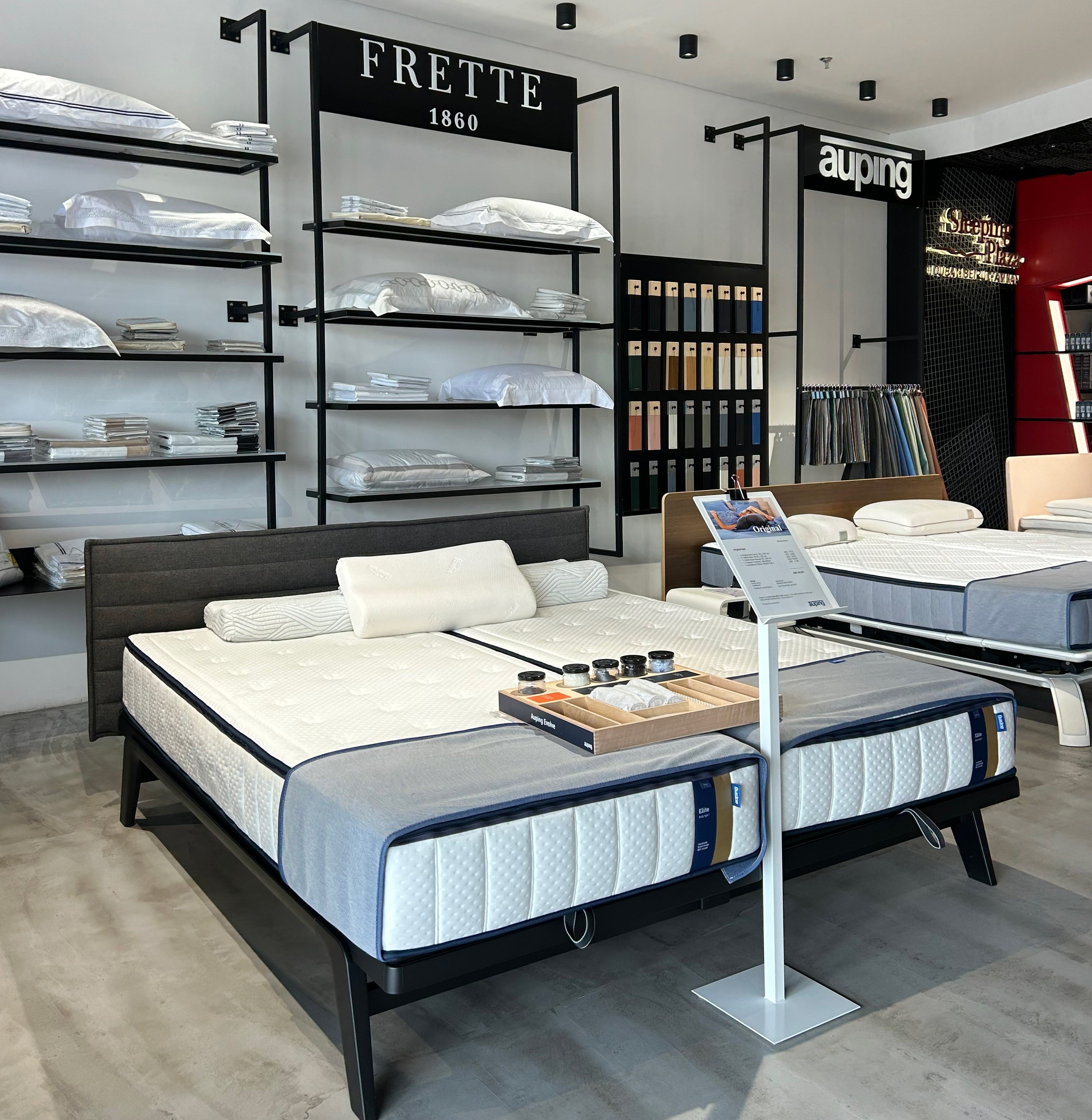
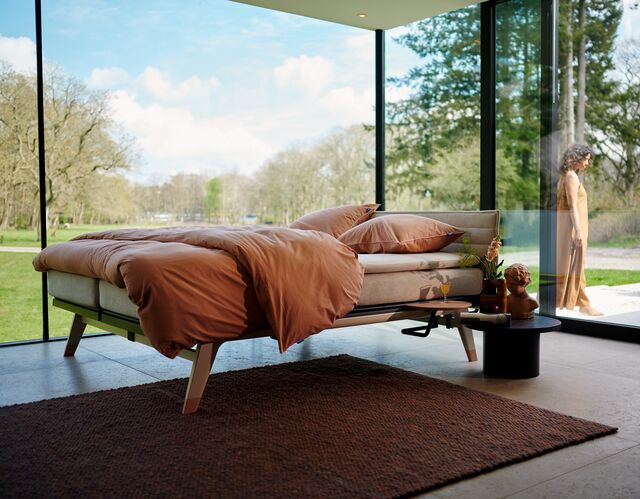
إطار السرير هو الهيكل الذي يدعم إعداد المرتبة ويحدد الوجود البصري للسرير. وقد يشمل قوائم جانبية ولوحًا أماميًا ولوحًا قدميًا وأرجلًا، وإما شرائح أو سطحًا على شكل منصة. في الديكورات الداخلية الفاخرة، غالبًا ما يحمل إطار السرير قيمة تصميمية بقدر وظيفته العملية.
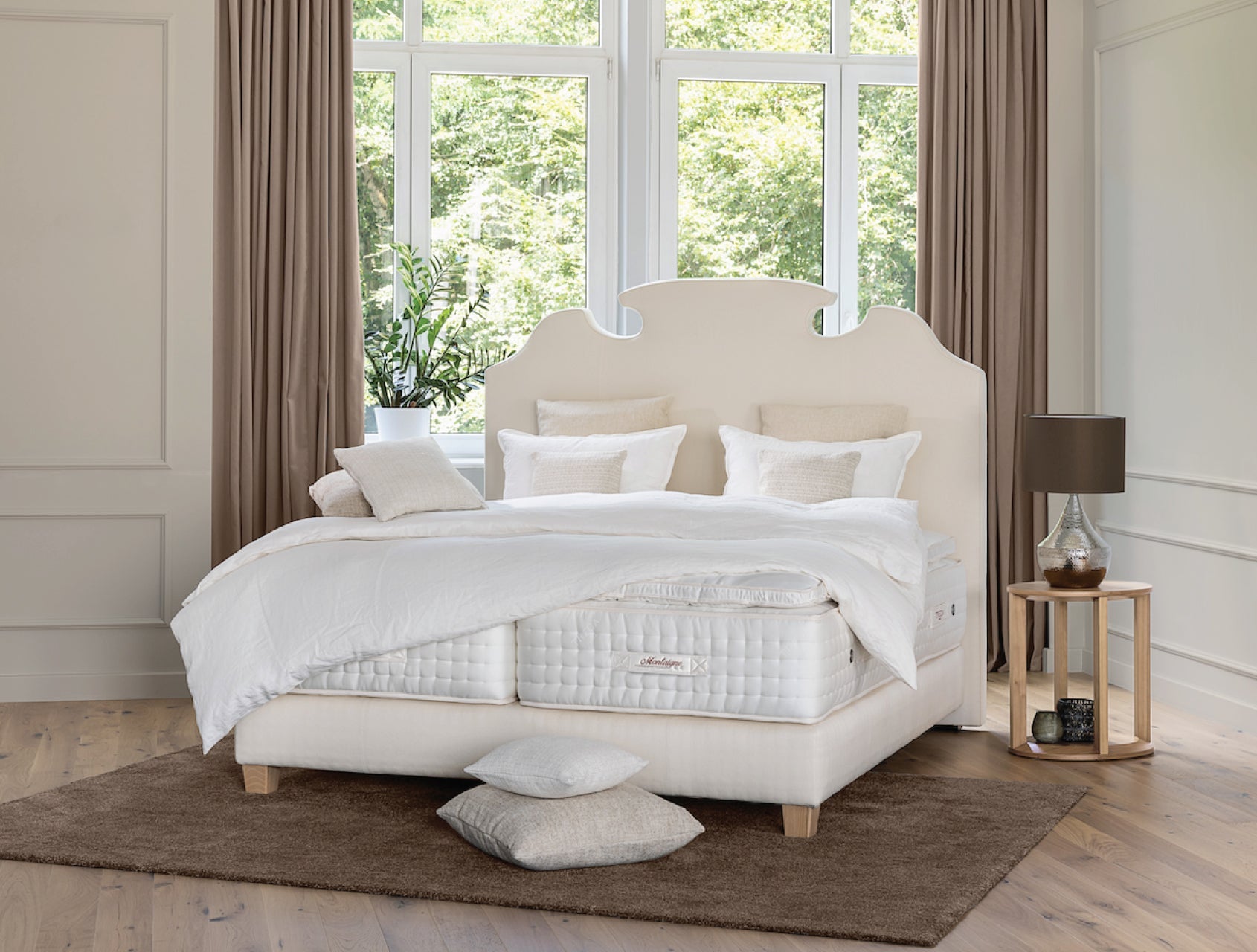
قاعدة الزنبرك هي طبقة دعم توضع تقليديًا تحت المرتبة، وعادةً ما تكون فوق إطار معدني. كانت الإصدارات القديمة مبنية بزنبركات حقيقية داخل إطار خشبي مغلف بالقماش. العديد من الإصدارات الأحدث هي في الواقع قواعد أكثر دقة من كونها قواعد زنبركية حقيقية، حيث تستخدم دعامة صلبة بدلاً من الملفات.
هذا التمييز مهم. إطار السرير هو الغلاف الهيكلي والجمالي. وقاعدة الزنبرك هي مكون دعم، وبعض المراتب فقط تستفيد منها. يمكنك الحصول على إطار سرير بدون قاعدة زنبرك. وفي كثير من الحالات، يكون هذا هو الإعداد المفضل. على النقيض من ذلك، عادة ما لا تكون قاعدة الزنبرك سريرًا كاملاً بحد ذاتها.
لماذا كانت قواعد الزنبرك ضرورية في السابق
غالبًا ما كانت المراتب التقليدية ذات النوابض الداخلية تُقرن بقواعد الزنبرك لأن القطعتين صُممتا للعمل معًا. ساعدت الزنبركات في القاعدة على امتصاص الصدمات وتقليل التآكل وخلق شعور أكثر استجابة. في المنازل القديمة وأطقم غرف النوم التقليدية، كان هذا المزيج عمليًا ومألوفًا.
كما أضافت ارتفاعًا. بالنسبة للعديد من المتسوقين، وخاصة أولئك الذين يفضلون وجود سرير أكثر فخامة ورسمية، كان الارتفاع الإضافي جزءًا من الجاذبية. وقد خلقت المرتبة الطويلة المقترنة بقاعدة زنبركية وإطار معدني المظهر الكلاسيكي الذي سيطر على غرف النوم الأمريكية لعقود.
لا يزال لهذا الإعداد مكان، لكنه لم يعد التوصية الافتراضية. لقد تطور بناء المرتبة. وكذلك تصميم غرف النوم.
لماذا لا تحتاج العديد من الأسرة الحديثة إلى قاعدة زنبركية
معظم المراتب الفاخرة التي تباع اليوم مصممة للحصول على دعم أكثر استقرارًا وتساويًا. وهذا يشمل العديد من هياكل الهجين واللاتكس والرغوة عالية الأداء. تعمل هذه المراتب بشكل أفضل بشكل عام على إطار سرير شرائحي أو سرير منصة أو قاعدة صلبة بتباعد ودعم صحيحين.
يمكن أن تتسبب قاعدة الزنبرك التقليدية أحيانًا في مرونة مفرطة تحت مرتبة صُممت لقاعدة مسطحة وأكثر صلابة. قد يؤثر ذلك على الراحة ودعم الحواف والمتانة على المدى الطويل. ويمكن أن يؤدي أيضًا إلى إبطال ضمان المرتبة إذا حددت الشركة المصنعة نوعًا مختلفًا من القواعد.
هنا تكمن قيمة التوجيه الخبير. لا يقتصر نظام الدعم الصحيح على ما يناسبه ماديًا فحسب، بل يتعلق أيضًا بما يناسب تصميم المرتبة.
متى لا تزال قاعدة الزنبرك منطقية
يمكن أن تكون قاعدة الزنبرك لا تزال خيارًا ذكيًا مع بعض المراتب التقليدية ذات النوابض الداخلية، خاصةً عندما توصي بها الشركة المصنعة للمراتب. يمكن أن يساعد أيضًا إذا كنت ترغب في ارتفاع إضافي للسرير أو كنت تعمل على جمالية غرفة نوم كلاسيكية حيث يبدو الإطار المعدني وقاعدة الزنبرك المغلفة مناسبين.
توجد أيضًا إصدارات منخفضة الارتفاع للأشخاص الذين يرغبون في الحصول على مظهر سرير أكثر أناقة دون الكثير من الارتفاع. وحتى في هذه الحالة، يجب أن يتم اتخاذ القرار بناءً على توافق المرتبة أولاً، ثم المظهر ثانيًا.
متى يكون إطار السرير وحده كافياً
غالبًا ما يكون إطار السرير المصمم جيدًا مع الشرائح المناسبة أو قاعدة المنصة هو كل ما تحتاجه. وهذا ينطبق بشكل خاص على غرف النوم الأكثر حداثة، حيث تكون الخطوط الأنظف والدعم المتكامل والمظهر المعماري جزءًا من الجاذبية.
بالنسبة للمتسوقين المهتمين بالتصميم، يميل هذا الخيار إلى الشعور بالاكتمال. فبدلاً من وضع مرتبة فوق قاعدة زنبركية مغطاة بالقماش ومرئية، توضع المرتبة داخل إطار أكثر تناسقًا يساهم في إضفاء اللمسة النهائية على الغرفة.
إطار السرير مقابل قاعدة الزنبرك للراحة والدعم
لا يغير إطار السرير ولا قاعدة الزنبرك الشعور الداخلي لمرتبتك بالطريقة التي يغير بها غطاء المرتبة أو بناء مرتبة مختلف. ومع ذلك، فإن القاعدة الموجودة تحت المرتبة تؤثر على كيفية التعبير عن هذه الراحة.
يساعد الإطار الداعم ذو الشرائح المتباعدة بالتساوي المرتبة على الحفاظ على أدائها المقصود. تحصل على راحة أكثر ثباتًا من الضغط، ودعم أكثر استقرارًا للحواف، وسطح نوم أكثر توازنًا. إذا كان الإطار سيء الصنع أو كانت الشرائح متباعدة جدًا، حتى مرتبة استثنائية يمكن أن تشعر بالخلل.
قد تضيف قاعدة الزنبرك بعض المرونة، لكن هذا ليس دائمًا فائدة. مع المرتبة الخاطئة، يمكن أن تخلق حركة غير ضرورية أو شعورًا غير متساوٍ بمرور الوقت. في بيئة النوم الفاخرة، الدقة مهمة. يجب أن يكمل نظام الدعم المرتبة بدلاً من التدخل فيها.
سؤال التصميم: ما هو الأفضل مظهرًا؟
بالنسبة للعديد من المشترين المميزين، يعتبر اختيار إطار السرير مقابل قاعدة الزنبرك اختيارًا تصميميًا بقدر ما هو اختيار تقني. يقدم إطار السرير حضورًا بصريًا أكبر بكثير. فالأنماط المنجدة، والقماش المصمم بدقة، والحرفية الخشبية، والألواح الأمامية المميزة، كلها تشكل شخصية الغرفة.
عادة ما تكون قاعدة الزنبرك مخفية، أو على الأقل من المفترض أن تكون كذلك. إنها تؤدي دورًا نفعيًا. وحتى مع وجود ستارة أو مفروشات منسقة، نادرًا ما تساهم بشكل مجدٍ في قصة التصميم الكلية.
إذا كان هدفك هو غرفة نوم راقية بمظهر مصقول ومنسق، فإن إطار السرير دائمًا ما يجلب قيمة أكبر. فهو يرسخ الغرفة ويدعم فكرة السرير كوجهة بدلاً من مجرد مكان للنوم.
الارتفاع والتخزين والعملية اليومية
الارتفاع هو أحد أكثر الأجزاء التي يتم تجاهلها في هذا القرار. قد يكون ارتفاع المرتبة على إطار منصة أقل من ارتفاع المرتبة المقترنة بقاعدة زنبركية وإطار. يحب بعض الناس المظهر الحديث والراسخ. ويفضل آخرون سهولة الدخول والخروج من سرير أطول.
التخزين مهم أيضًا. توفر العديد من هياكل الأسرة مساحة تحت السرير أو أدراج تخزين مدمجة، والتي يمكن أن تكون مفيدة بشكل خاص في المنازل الحضرية أو مساحات الضيوف. يوفر لك إعداد قاعدة الزنبرك مرونة أقل في هذا الجانب، خاصة إذا كان على إطار معدني بسيط.
هناك أيضًا مسألة النقل والتركيب. قد يحتوي إطار السرير على المزيد من المكونات، لكن العديد من التصميمات الحديثة مصممة لتجميع أنظف. يمكن أن تكون قاعدة الزنبرك ضخمة ومربكة في السلالم والمصاعد والمنازل الضيقة. يمكن للقواعد المقسمة حل هذه المشكلة، على الرغم من أنها عنصر آخر يجب إدارته.
كيفية اختيار الخيار المناسب لمرتبتك
ابدأ بتوصية الشركة المصنعة للمرتبة. هذا هو المكان الأكثر موثوقية للبدء. تتطلب بعض المراتب دعمًا صلبًا، وبعضها يحتاج إلى شرائح متباعدة عن كثب، وبعضها يتوافق مع قواعد محددة فقط.
ثم ضع في اعتبارك نمط غرفة النوم التي ترغب في إنشائها. إذا كانت الغرفة تتطلب نعومة وحضورًا وتصميمًا عالي الجودة للأثاث، فإن إطار السرير الفاخر هو الخيار الأقوى عادةً. إذا كنت تمتلك بالفعل مرتبة تقليدية تعمل جيدًا مع قاعدة الزنبرك، أو كنت ترغب في ارتفاع إضافي في إعداد كلاسيكي، فقد يكون الحفاظ على هذا التنسيق منطقيًا.
يجب النظر إلى الميزانية من منظور طويل الأجل. إطار عالي الجودة ليس مجرد طبقة دعم. إنه قطعة أثاث دائمة تشكل مظهر الغرفة وتجربتها. في منزل مجهز جيدًا، غالبًا ما تتجاوز هذه القيمة الوظيفة.
الأخطاء الشائعة التي يرتكبها المتسوقون
أحد الأخطاء الأكثر شيوعًا هو افتراض أن كل مرتبة تحتاج إلى قاعدة زنبركية لمجرد أن الأسرة القديمة كانت كذلك. خطأ آخر هو شراء إطار سرير بناءً على المظهر فقط دون التحقق من تباعد الشرائح أو الدعم المركزي أو سعة الوزن.
كما أن المتسوقين أحيانًا يتجاهلون ارتفاع السرير بمجرد إضافة المرتبة. فما يبدو أنيقًا في صالة العرض قد يبدو منخفضًا بشكل غير متوقع أو طويلًا جدًا في المنزل. وبالطبع، يمكن أن يؤدي خلط أنظمة دعم غير متوافقة إلى تقصير عمر المرتبة، حتى عندما تكون كلتا القطعتين ذات جودة عالية بشكل فردي.
تأتي عملية الشراء الأكثر تفكيرًا من معاملة المرتبة والقاعدة كنظام نوم واحد. يميل هذا النهج إلى توفير راحة أفضل وجماليات أفضل وقيمة أفضل بمرور الوقت.
إذن، أيهما أفضل؟
إذا كنت تختار بين إطار سرير وقاعدة زنبركية لغرفة نوم عصرية فاخرة، فإن إطار السرير هو عادةً الإجابة الأكثر مرونة وتصميمًا. فهو يوفر جاذبية بصرية أقوى، ويعمل بشكل جميل مع العديد من تركيبات المراتب اليوم، ويخلق عرضًا لغرفة نوم أكثر اكتمالاً.
ومع ذلك، فإن قاعدة الزنبرك ليست قديمة. لا تزال تناسب بعض المراتب التقليدية والتفضيلات الكلاسيكية، خاصة عندما يكون الارتفاع والشعور بالتراث مهمين. يعتمد الخيار الأفضل على المرتبة التي تمتلكها، والمظهر الذي تريده، ومدى دقة النتيجة النهائية التي ترغب فيها.
يجب أن تشعر غرفة النوم بأنها مدروسة من الألف إلى الياء. عندما يتم اختيار الدعم الموجود تحت مرتبتك بنفس العناية التي يتم بها اختيار المرتبة نفسها، فإن كل التفاصيل تعمل بجد أكبر لراحتك، واستثمارك، والرفاهية الهادئة للغرفة.